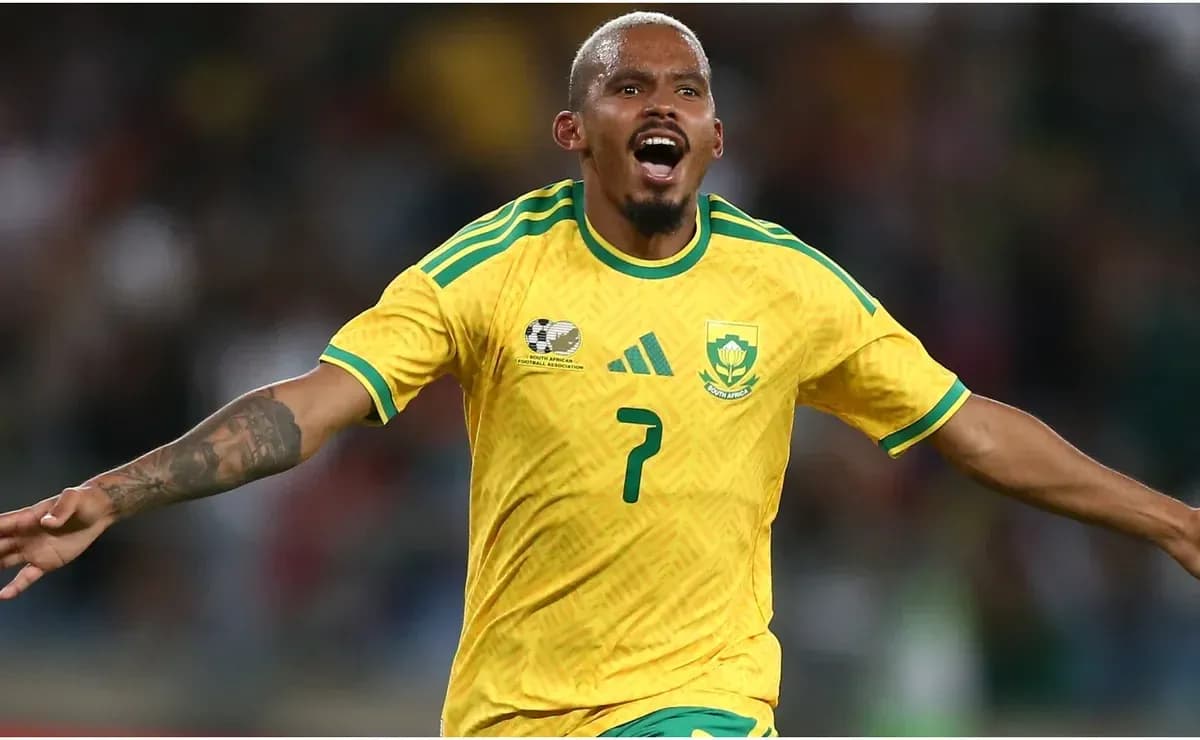
South Africa's Goalless Draw Raises World Cup Concerns
South Africa wanted rhythm. They left with questions.
In their final tune‑up before the 2026 World Cup, Bafana Bafana dominated Nicaragua for 90 long minutes at Orlando Amstel Arena, carved out chance after chance, and still walked away with a flat, goalless draw that will gnaw at them all the way to Group A.
The pattern set in early and never really changed. South Africa on the ball, Nicaragua in retreat. The home side pushed their back four high, funneled attacks down the right, and tried to stretch a compact Central American block. The visitors accepted their role: defend deep, cling to shape, and trust their goalkeeper.
That trust was well placed.
Pineda’s night, South Africa’s problem
Adonis Pineda did not come to Johannesburg for a quiet friendly. He came to steal headlines.
The Nicaraguan goalkeeper produced the kind of performance that lives long in the memory of a dressing room. Safe under the high ball, sharp off his line, and immovable when the shots finally arrived, he turned a South African rehearsal into his own personal showcase.
His first big moment came just after the half‑hour mark, when he bravely claimed a routine cross and was clattered hard by Thabang Matuludi, needing treatment before continuing. It set the tone: Nicaragua would bend, Pineda would not.
Then came the flashpoint of the first half.
With three minutes to the break, Kamogelo Sebelebele went down in the box under minimal contact. The referee pointed to the spot, Nicaragua’s players erupted, and the game suddenly had a controversial edge. Lyle Foster stepped up with a stuttering run‑up that never looked convincing. The ball smacked the post and flew away, justice of a sort for the visitors, frustration distilled for the hosts.
It was the clearest chance of a half South Africa largely controlled. Themba Zwane floated between the lines, Sebelebele and Tshepang Moremi buzzed around the flanks, and the right side in particular looked fertile. Yet the final action kept letting them down: a cross overhit, a shot ballooned, a touch misjudged at the last instant.
By half-time, the story was already forming. Better athletes, more ideas, no punch.
Changes, energy… same outcome
Hugo Broos rang the changes at the break. Ricardo Goss made way for Sipho Chaine in goal. Out went Zwane, Foster, Moremi, and others; in came Oswin Appollis, Thapelo Maseko, Iqraam Rayners, and Relebohile Mofokeng.
Appollis immediately lit up the right wing. In seven minutes, the Orlando Pirates winger did more damage than South Africa had managed collectively in the opening 45. Direct running, sharp dribbling, and an insistence on attacking his full-back injected exactly the tempo the game had been missing.
South Africa surged. Twice in quick succession, Appollis fashioned chances that forced Pineda into action. The goalkeeper read both efforts, gathering calmly and quieting the crowd just as it began to swell.
The pressure built again on 54 minutes. A seemingly tame effort took a wicked deflection and almost looped over Pineda, who backpedaled and clawed it down. Another let‑off for Nicaragua, another shake of the head for Bafana Bafana.
The pattern repeated on 57 minutes: Appollis again tore down the flank, whipped in a dangerous cross, and this time Mofokeng swung and missed completely. The ball skidded away, the groans grew louder.
When Maseko cut inside on 61 minutes and unleashed a fierce shot, Pineda was there yet again, springing low to his side to push it away. The scoreboard stubbornly refused to move.
A historic clean sheet for Nicaragua
For Nicaragua, this was never about attacking flair. They barely laid a glove on South Africa’s back line. Raheem Cole tried from distance in the first half, Jonathan Moncada sent a header wide, and a couple of speculative efforts drifted harmlessly over. That was about it.
What mattered was resilience.
The back four, marshalled by Justing Cano and Ebert Martinez, held their line, cleared their box, and trusted that if South Africa did break through, Pineda would be there. He was. Time and again.
The defining sequence came in the 81st minute. A deflected header looked destined for the net, Pineda reacted, parried, and then sprang up to smother the rebound. A double save, the kind that breaks opponents’ belief. South Africa’s did not exactly break, but it certainly frayed.
By then, the game had slipped into what felt like a grey zone. Legs grew heavy, the tempo dipped, and the earlier urgency turned into something closer to resignation. South Africa still pushed, still crossed, still shot. The ball still refused to go in.
Six minutes of added time offered one last window. Nothing changed. Nicaragua cleared, Pineda claimed, and the final whistle sealed a 0-0 that will be celebrated in Managua as a rare, historic result on foreign soil.
Warning lights for Group A
For South Africa, this was supposed to be a confidence‑builder before stepping into a World Cup group with Mexico, Czechia, and South Korea. Instead, it served as a stark reminder of what happens when dominance does not translate into goals.
They were quicker. Stronger. Deeper. They created enough to win this game twice over. Yet they leave with a missed penalty, a catalogue of squandered openings, and a goalkeeper on the opposing side who will haunt their video review sessions.
The structure is there. The energy from the bench is there. But with the World Cup only days away, one question now drowns out the rest: when the stakes rise in Group A, who is actually going to put the ball in the net?