Plateau United's Home Dominance Shines in 3–1 Victory Over Shooting Stars
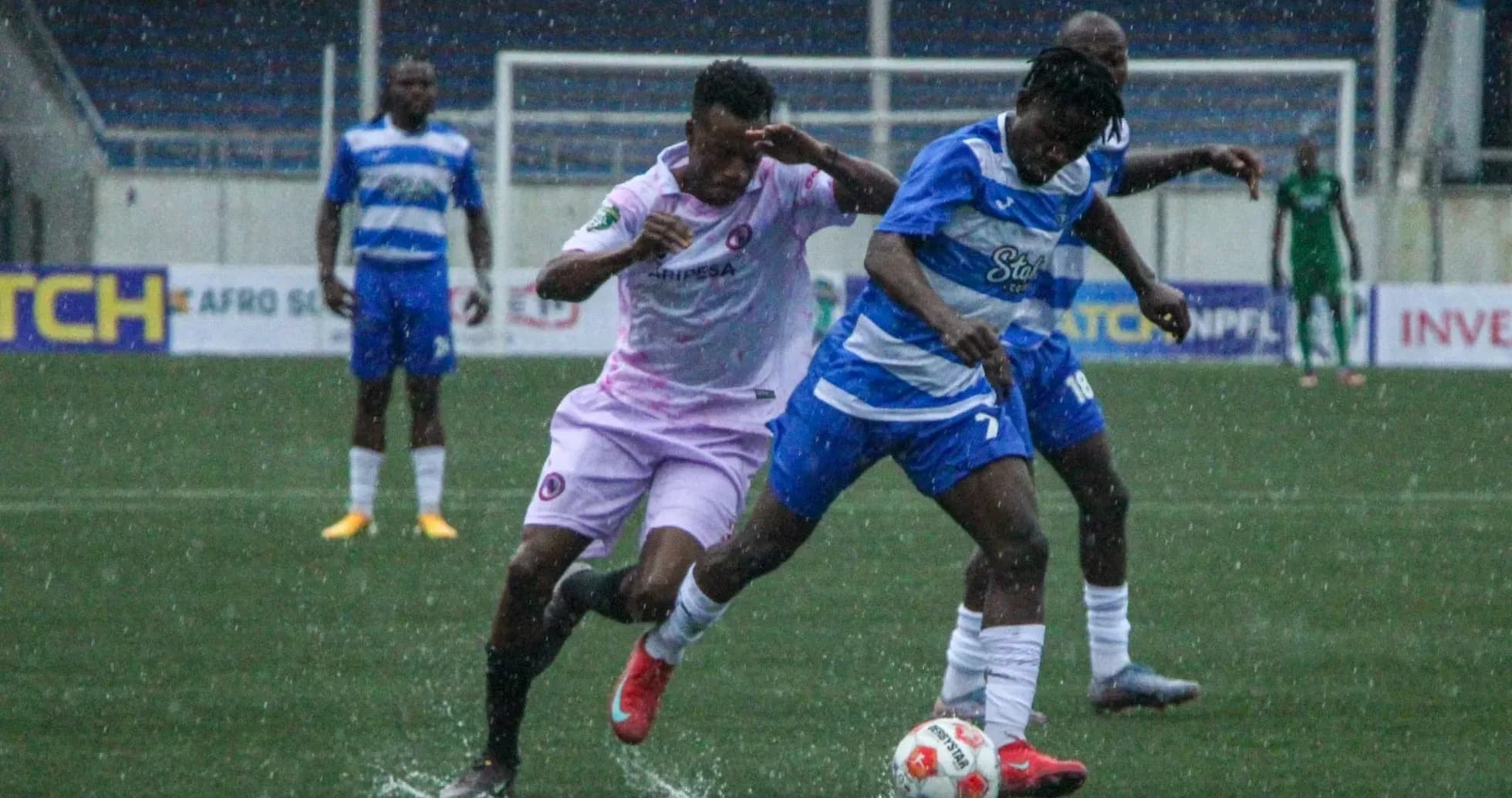
Under the thin Jos air at Rwang Pam Stadium, this NPFL Regular Season - 4 fixture became a quiet early‑season statement from Plateau United. Trailing 0–1 at half-time, they surged back to win 3–1 against Shooting Stars, a scoreline that did more than flip the narrative of the afternoon – it underlined the contrasting identities of a side that is ruthless at home and an opponent still learning how to survive on their travels.
Heading into this game, Plateau United were already shaping up as a classic home powerhouse. Overall this campaign, they had 5 goals for and 4 against from 4 matches, giving them a goal difference of +1 and 7 points, good enough for 6th place. At home, though, the numbers told a sharper story: 2 matches, 2 wins, 4 goals scored and just 1 conceded, an attacking average of 2.0 goals at home and a defensive average of 0.5. Their biggest home win so far was a 3–1 scoreline – exactly the margin they would replicate here.
Shooting Stars arrived as something of an unknown quantity in the table. They had only played 2 league matches overall, sitting 15th with 3 points, 3 goals for and 4 against, a goal difference of -1. At home they had been positive – 1 win from 1, scoring 2 and conceding 1 – but away from home the early warning lights were already on: 1 away match, a 3–1 defeat, with their away averages standing at 1.0 goal scored and 3.0 conceded. This trip to Jos would test whether that pattern was a blip or the beginning of a trend.
First Half
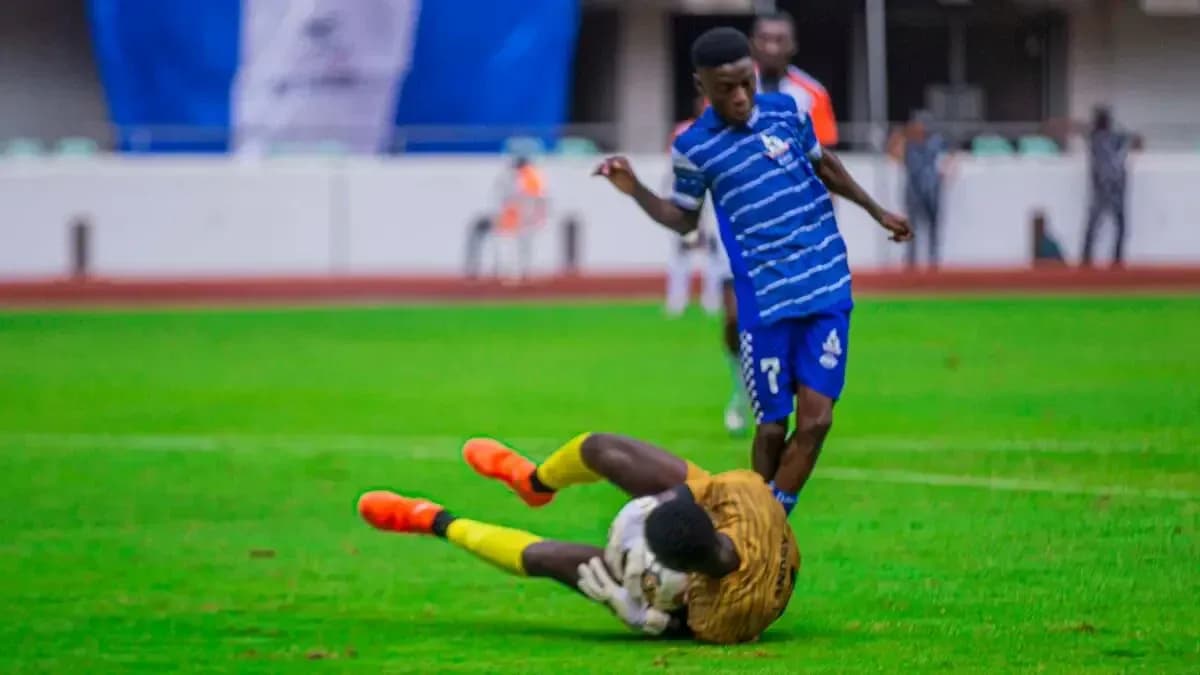
The first half suggested Shooting Stars might be ready to bend the script. With E. Godgift between the posts marshalling a back line of D. Sholumade, D. Ojietefian, G. Adelowo and J. Amusat, they were compact, aggressive in the duels and opportunistic in transition. The front line of L. Emmanuel and S. Ibrahim, supported by the energy of T. Otaniyi and A. Taheer, pressed high enough to disrupt Plateau United’s rhythm. The visitors’ opener before the interval – reflected in the 0–1 half-time score – came from that blend of compactness and verticality: absorb, then strike.
Second Half
But the second half belonged entirely to Sola Adegun’s men. The Plateau United XI had looked balanced on paper from the start: O. Okiemute in goal; a defensive unit built around I. Utin, M. Andrew, I. Yahaya and J. Okechukwu; and a midfield core of A. Aghahowa, D. Ojo and S. Nenrot. Ahead of them, S. Jackson, J. Ibrahim and D. Isaiah provided movement and width. Once they emerged from the break, that structure finally began to bite.
Without formal formation data, the roles still revealed themselves in the flow of the match. D. Ojo, wearing 10, drifted into classic playmaker zones, linking midfield and attack, while S. Nenrot and A. Aghahowa gave Plateau United the legs to press and recycle possession. As the hosts turned the screw, their attacking profile at home – 2.0 goals per game before kick-off – started to feel like a floor rather than a ceiling.
Adegun’s bench options also mattered. With the likes of P. Samson, M. Wisdom and J. Ambrose available, Plateau United had the capacity to refresh both flanks and central lanes. Even without explicit substitution data, the mere presence of those names on the bench shaped the tactical threat: Shooting Stars knew that any drop in intensity could be punished by fresh legs and direct running in the final half-hour.
On the other side, Shooting Stars’ substitutes’ list showed promise but also inexperience in managing hostile away environments. Attackers such as J. Atule, D. Akinola and Ridwan offered pace and unpredictability, while M. Aliyu and Q. Adegoke gave defensive cover. Yet the broader season context suggested a team still struggling with game management: overall this campaign, they had conceded 4 goals in just 2 matches, with no clean sheets and an overall defensive average of 2.0 goals conceded per game. Away from home, that average ballooned to 3.0.
Discipline and Mentality
Discipline and mentality formed another quiet subplot. Plateau United’s yellow card distribution this season showed a clear late-game spike: 42.86% of their bookings had come between 61–75 minutes and 28.57% between 76–90. That pattern paints a picture of a side that pushes the physical and tactical limits as matches stretch, often on the edge but rarely over it – they had no red cards recorded. Shooting Stars, by contrast, had a more volatile disciplinary profile: 50.00% of their yellows came between 46–60 minutes and 25.00% in the final quarter-hour, and crucially, 100.00% of their red cards this campaign had arrived between 76–90 minutes. This is a team that can lose emotional control as fatigue and pressure peak.
Penalty Storyline
The penalty storyline deepens that psychological divide. Plateau United had not been awarded a spot-kick this season, so their record remained neutral. Shooting Stars, however, had already missed 1 penalty overall, with a 0% conversion rate and 100.00% of their penalties missed. That single moment – a squandered high‑leverage chance – lingers over any tight contest, hinting at fragility when the margins narrow.
Overlay all of this, and the “Hunter vs Shield” matchup becomes clear. Plateau United’s home attack, averaging 2.0 goals scored and powered by creative profiles like D. Ojo and industrious runners such as S. Jackson and D. Isaiah, was always likely to find joy against a Shooting Stars away defence conceding 3.0 goals per match. The reverse duel – Shooting Stars’ overall 1.5 goals per game against Plateau United’s overall 1.0 conceded – promised moments of threat, as the visitors proved with their first-half strike, but not sustained control.
In the “Engine Room”, Plateau United’s trio of A. Aghahowa, S. Nenrot and D. Ojo ultimately overran the Shooting Stars midfield of I. Falke, O. Akala and A. Taheer. Once the hosts began to dictate tempo, Shooting Stars’ earlier compactness frayed, and their season-long defensive averages reasserted themselves.
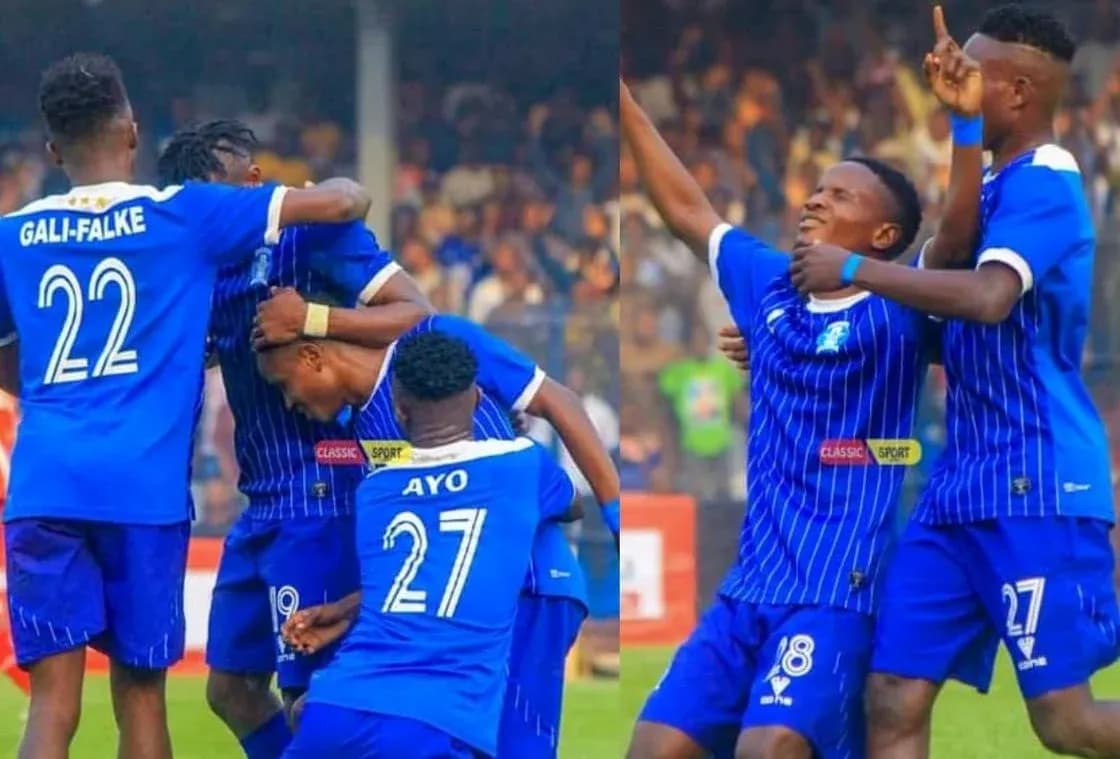
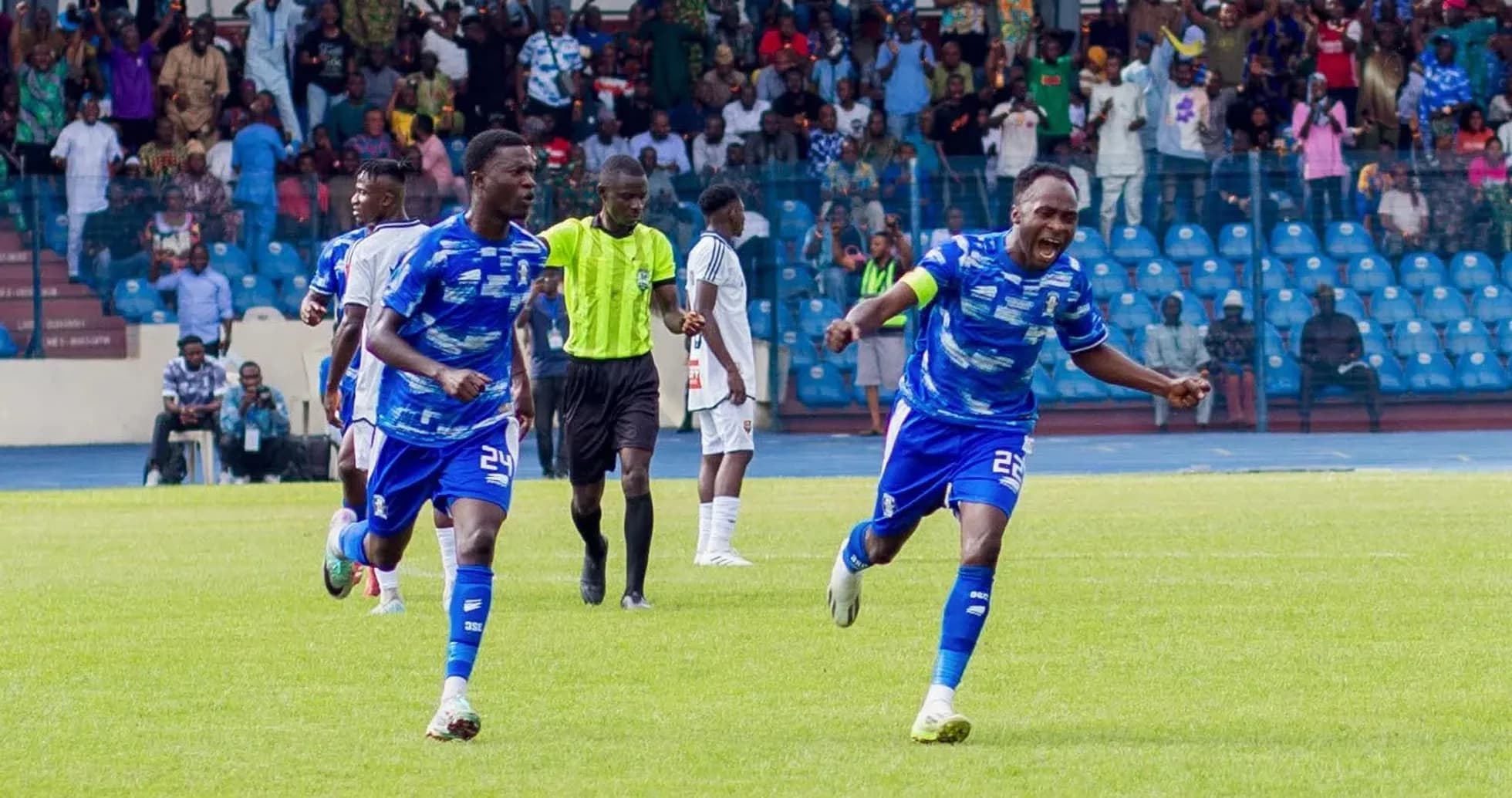
Statistically and tactically, the 3–1 full-time scoreline felt like the logical convergence of these trends. Plateau United extended their perfect home record to 3 wins from 3, reinforcing Rwang Pam Stadium as a fortress. Shooting Stars, meanwhile, left Jos with a second away defeat by the same 3–1 margin, their travel narrative hardening into a concern: they can score, but they cannot yet protect themselves when the game turns against them.
Following this result, Plateau United look every inch a top‑half contender built on home dominance and late‑game intensity. Shooting Stars remain a dangerous but fragile opponent – capable of striking first, yet still searching for the defensive solidity and emotional control required to survive the NPFL’s toughest away days.