Nasarawa United and Rivers United Share Points in 1–1 Draw
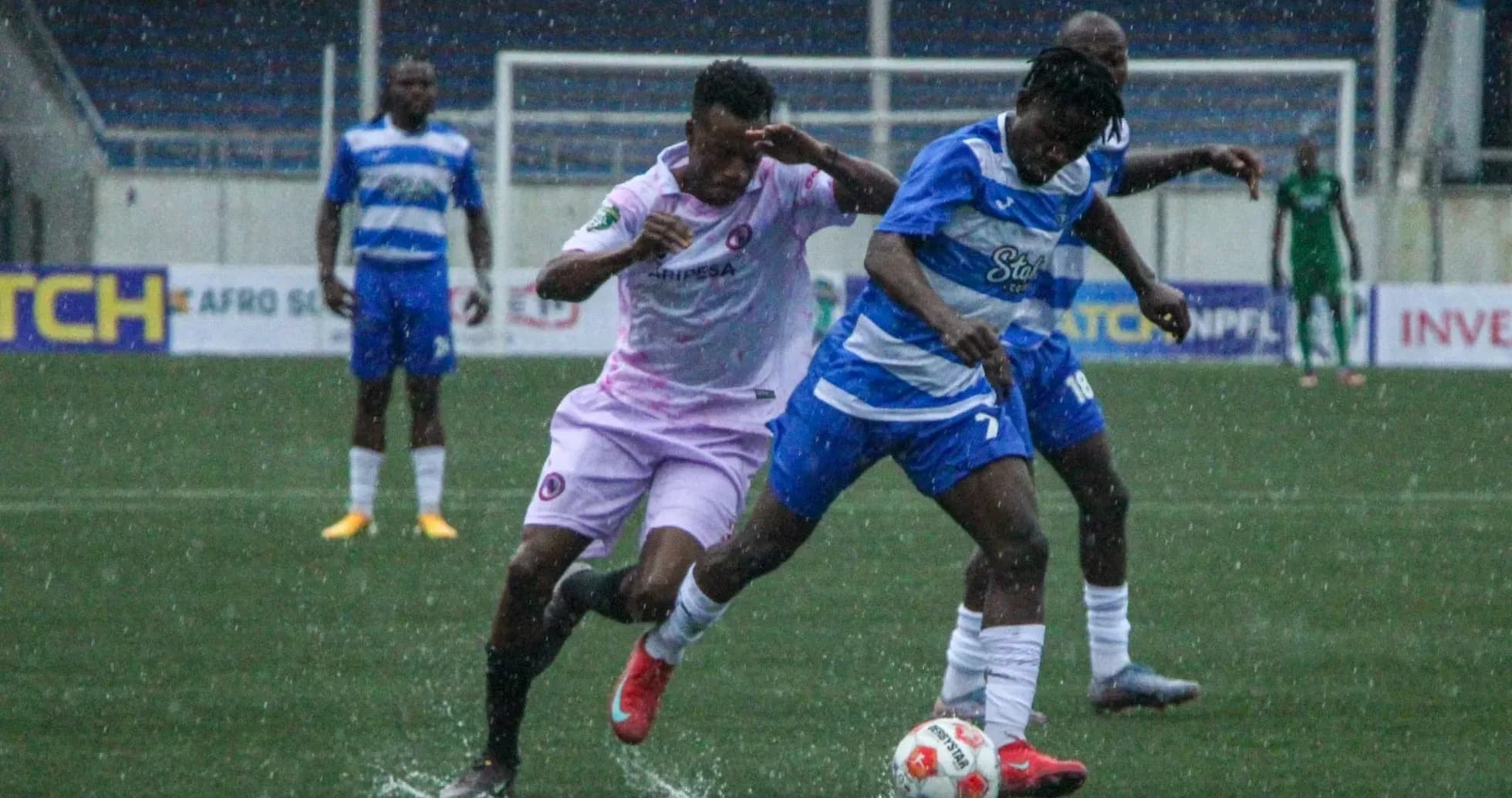
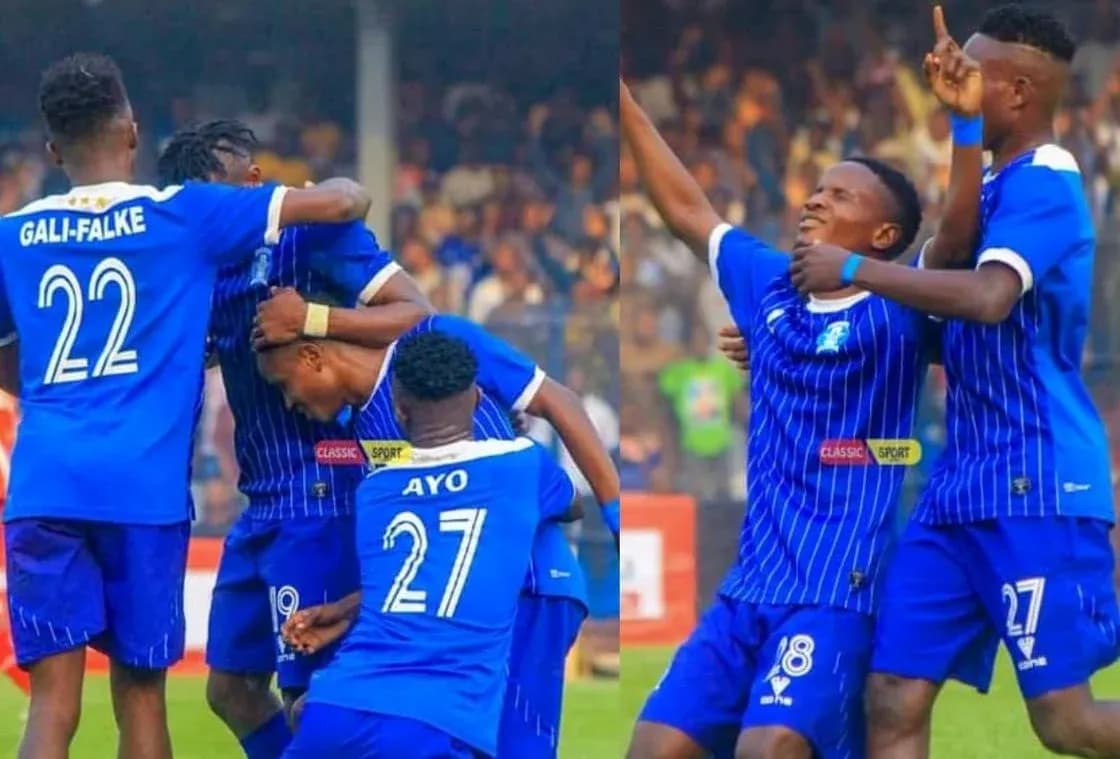
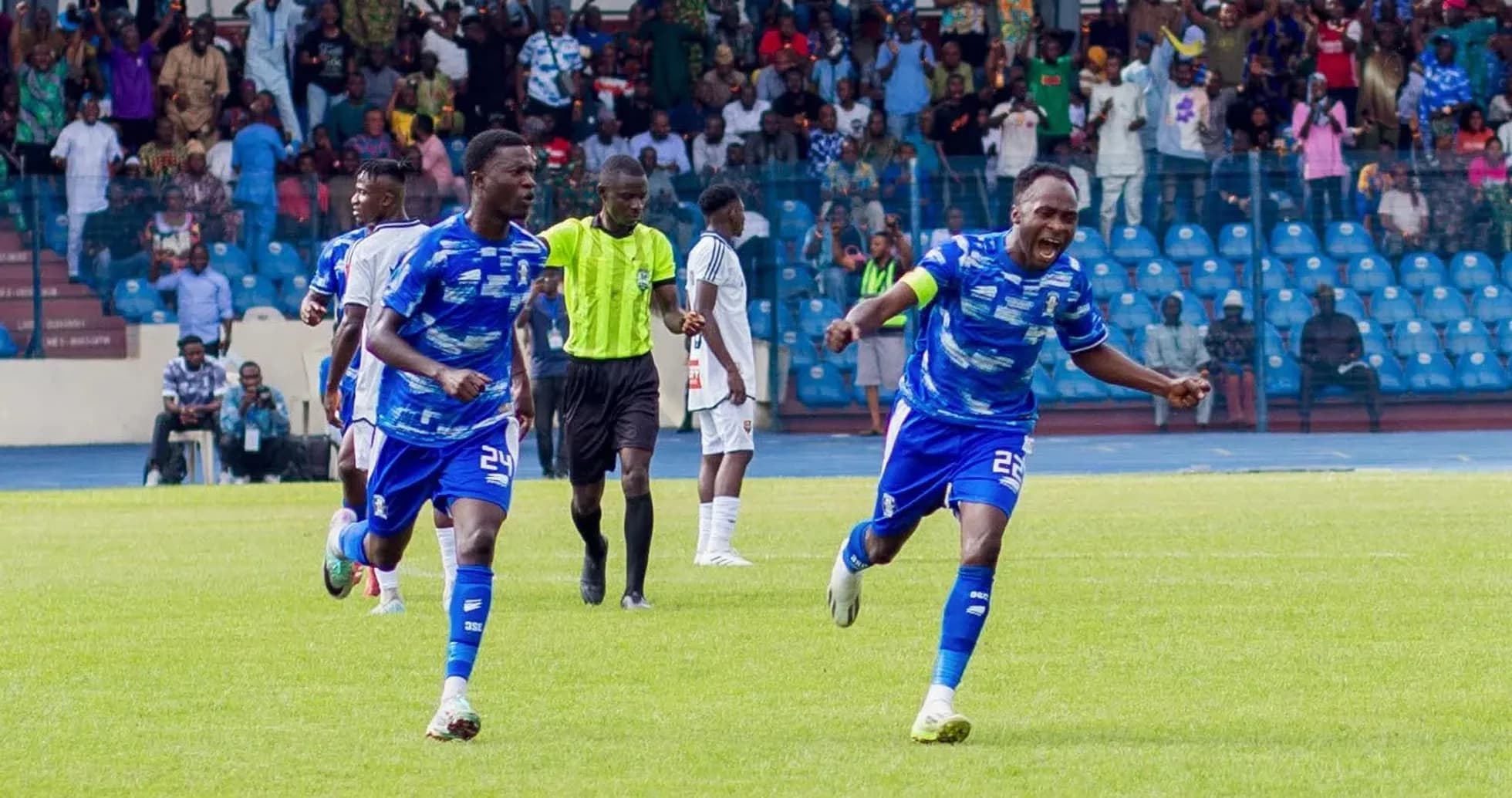
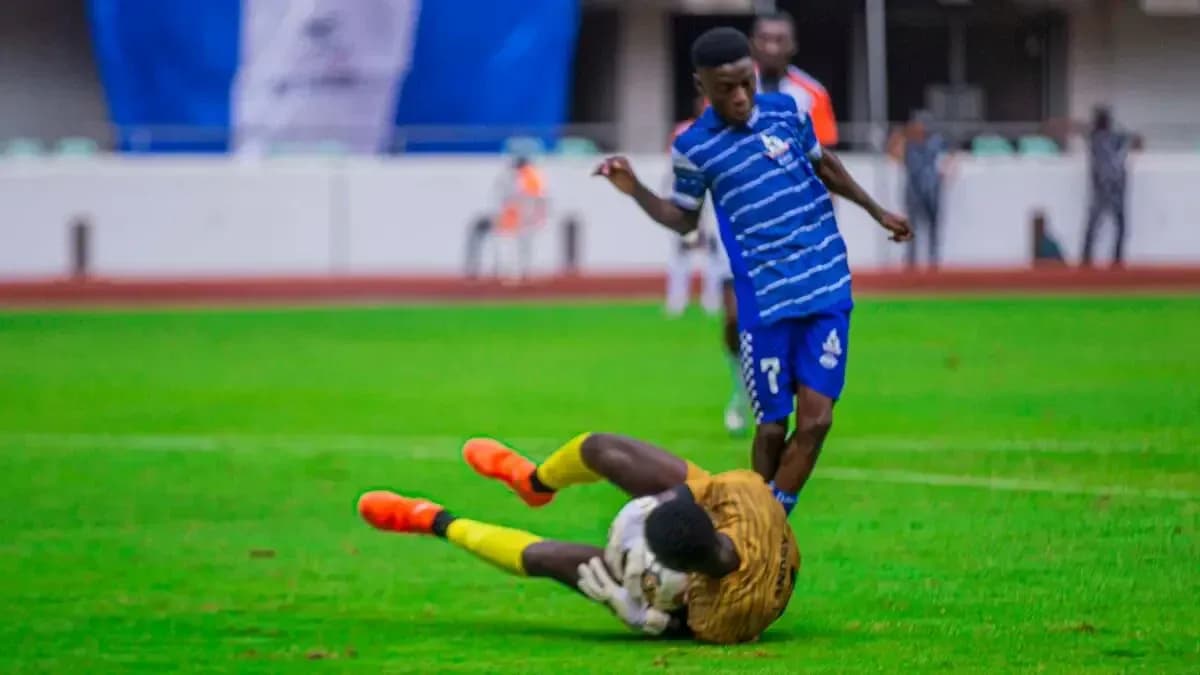
Under the late-afternoon heat of Lafia Township Stadium, Nasarawa United and Rivers United shared the points in a 1–1 draw that felt less like a settled argument and more like the opening chapter of a rivalry for the upper half of the NPFL table. It was Round 4 of the 2027 Regular Season, and the storylines were already tightly drawn: the home side fighting to stabilise in 13th, the visitors arriving as early contenders in 4th, unbeaten and confident.
Heading into this game, the numbers had painted them as opposites. Overall this campaign, Nasarawa United had taken 4 points from 4 matches, scoring 4 and conceding 6. The goal difference of -2 underlined a team still learning its defensive limits. Yet at home they had been sturdy: 2 matches, 1 win, 1 draw, 2 goals scored and only 1 conceded, an average of 1.0 goal for and 0.5 against at Lafia. Rivers United, by contrast, travelled north with the swagger of a side whose early-season metrics screamed control: 7 points from 3 games overall, 5 goals scored and just 1 conceded, a goal difference of +4. At home they had been perfect with 2 wins, 4 scored and none conceded; on their travels, they had drawn their only away outing 1–1, mirroring the final score they would repeat here.
I. The Big Picture – Two Identities Colliding
Nasarawa’s seasonal DNA is that of a grinding, middle-distance runner. Overall they average 1.0 goal for and 1.5 against per game, but the split is telling: at home, they keep things tight and low scoring, away they stretch and suffer, conceding an average of 2.5 on their travels. Lafia is their shelter, and that defensive resilience was once again the platform.
Rivers United are built differently. Overall they average 1.7 goals for and only 0.3 against per match, a balance of measured aggression and defensive clarity. At home they attack with freedom, scoring 2.0 per game without conceding; away, they become more pragmatic, averaging 1.0 scored and 1.0 conceded. This was always going to be a test of whether Nasarawa’s home discipline could slow a side that, in total this campaign, had yet to lose.
On the pitch, the lineups reflected those identities. For Rivers United, coach Hakeem Busari named a side rich in technical midfielders and mobile forwards: E. Andy in goal, a back line anchored by the likes of E. Akobundu and O. Elias, and a midfield spine featuring S. Manyo and E. Utaka. Ahead of them, the creative and attacking burden fell on players such as A. Dabai and A. Oyowah, with the intelligent movement of M. Chijioke and the work rate of W. Falolu and T. Zachariah offering Busari multiple pressing triggers.
Nasarawa United, by contrast, leaned into structure and balance. C. Olughu started, with the defensive core of C. Nduka, A. Abdullahi and H. Ebah tasked with maintaining the home defensive record. In midfield and attack, the blend of graft and guile came from A. Sunday, A. Dabani and the number 10, P. Samuel, with J. Istifanus adding energy and vertical running.
II. Tactical Voids and Discipline
Injury and suspension data offered no explicit absentees, so the voids were more conceptual than personnel-based. Nasarawa’s main gap remains a cutting edge; despite failing to score in none of their league matches overall, they have yet to find a game-breaking attacker who can tilt tight contests consistently. Rivers’ potential void is the unknown of their away personality; with only one prior away match, Busari’s side are still discovering how much ambition they can afford on the road.
Disciplinary patterns framed the risk zones. For Nasarawa United, 100% of their yellow cards this season had come in the 31–45 and 61–75 minute windows, split evenly at 50.00% each. That suggests a team that becomes edgy as halves approach their turning points, perhaps reacting to tactical stress or game-state pressure. Rivers United, meanwhile, had collected all of their yellow cards between 46–60 minutes, a 100.00% concentration immediately after half-time. This is the period where Busari’s side seem to push their intensity, and where fouls creep in.
In a match that finished 1–1 and stayed within the lines of regular time, those patterns would have shaped the touchline calculations: when to press, when to sit, and when to protect players already walking a disciplinary tightrope.
III. Key Matchups – Hunter vs Shield, Engine vs Engine
Without individual scoring charts, the “Hunter vs Shield” duel is more about units than single stars. Rivers United, with 5 goals in 3 games overall, brought a collective attacking threat that had to break through a Nasarawa home defence that had conceded just once in 2 matches at Lafia. The visiting front line of A. Dabai, A. Oyowah, M. Chijioke and T. Zachariah probed in different ways: Dabai stretching wide, Oyowah drifting into pockets, Chijioke offering link play and Falolu running channels. Their task was to pull Nduka and Abdullahi out of their comfort zones, to create the half-yard that Rivers’ season-long efficiency has thrived upon.
On the other side, Nasarawa’s “Hunter” role was shared. P. Samuel, wearing 10, looked to knit play and find spaces between Rivers’ lines, while A. Sunday and A. Dabani attacked the flanks and half-spaces. Their challenge was to test a Rivers defence that, in total this campaign, had allowed just 1 goal in 3 games, including 2 clean sheets at home and a single concession away.
The “Engine Room” battle was fierce and subtle. For Rivers, S. Manyo and E. Utaka formed the core of the midfield engine, recycling possession and setting the tempo. Manyo, with his positional sense, acted as the shield in front of the back line, while Utaka’s mobility allowed Rivers to transition quickly from defence to attack. Nasarawa responded with the combative presence of H. Ebah and the positional discipline of A. Abdullahi stepping into midfield lines when needed, compressing space in front of their penalty area and forcing Rivers into wider, more predictable routes.
From the bench, both sides had different levers. Rivers could inject fresh legs and direct running through H. Surveyor or D. Iyowuna, or add stability with G. Innocent. Nasarawa had experience in K. Osanga and additional defensive or transitional options like K. Ogbodo and J. Victor Ekioke. Each substitution vector – [IN] replaced [OUT] – would have been weighed against the risk of losing structure in a match where a single mistake could swing the narrative.
IV. Statistical Prognosis – What the 1–1 Draw Tells Us
Even without explicit xG values, the season-long data offers a clear prognosis. Rivers United remain, in total this campaign, one of the NPFL’s most balanced sides: 1.7 goals for, 0.3 against on average, unbeaten and with a defensive record that travels well. Their away profile – 1.0 scored and 1.0 conceded – suggests that on the road they are more likely to be involved in controlled, marginal games rather than open shootouts.
Nasarawa United, meanwhile, continue to live two lives. At home they are compact and competitive, conceding just 0.5 goals per game and maintaining an unbeaten record in Lafia. Away, their defensive average of 2.5 conceded per match drags down their overall numbers and explains the -2 goal difference (4 scored, 6 conceded).
The 1–1 scoreline fits the statistical script: Rivers’ attack good enough to breach even a strong home defence once, Nasarawa’s home resilience and balanced 1.0 goal-for average sufficient to answer back. With no penalties taken or missed by either side in the league so far, there is no reliance on spot-kicks to skew those metrics; what both teams are building is sustainable, open-play football.
Following this result, the tactical verdict is nuanced. Rivers United leave Lafia still unbeaten and statistically justified in their status as early top-four contenders, but reminded that away days in the NPFL will demand patience and adaptability. Nasarawa United, for their part, reinforce the idea that Lafia Township Stadium can be a fortress. If they can export even a fraction of that home defensive solidity to their travels, the narrative of their season may yet shift from survival to quiet ambition.