PCP Capital Partners Targets 25.1% Stake in West Ham United
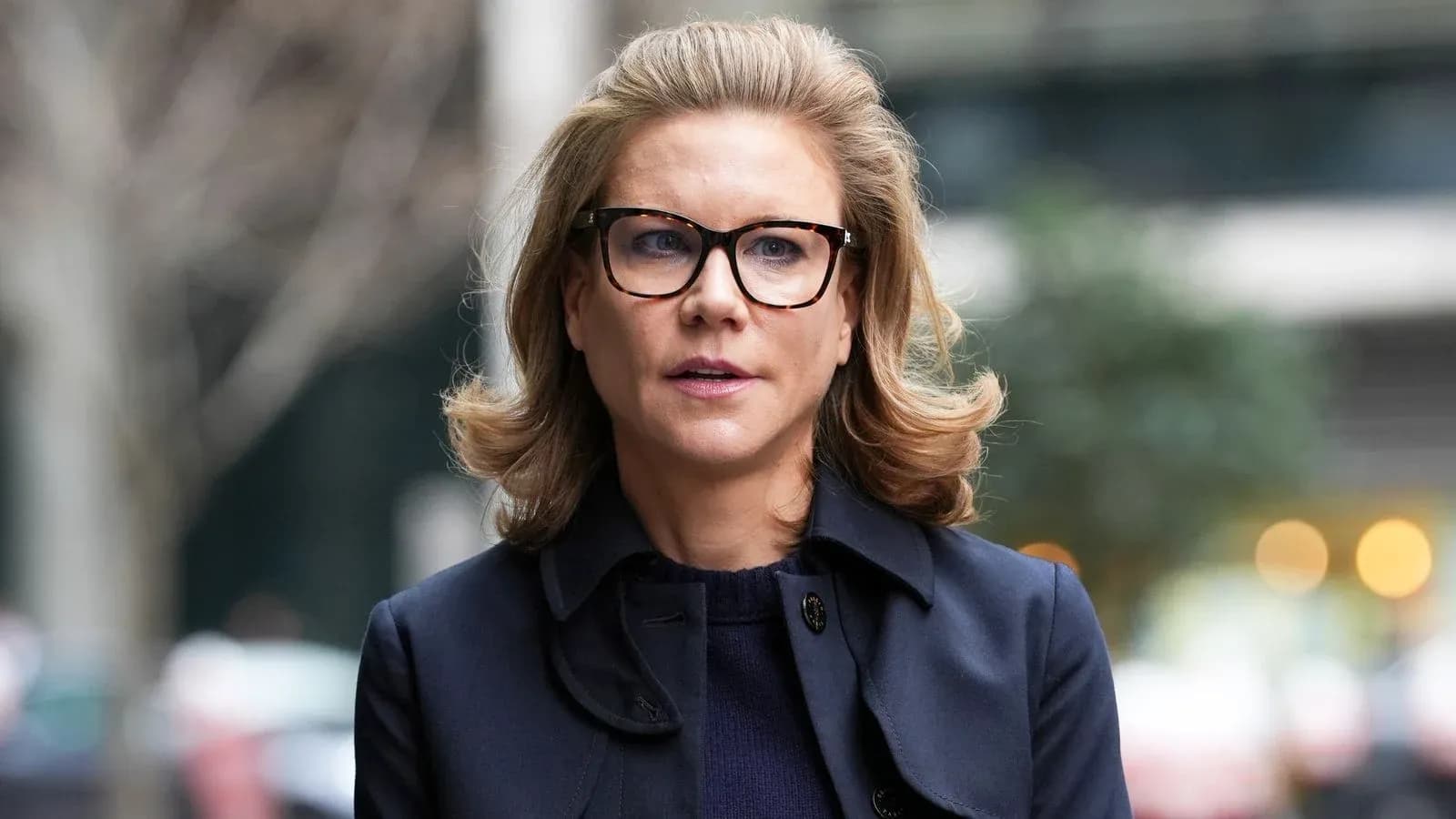
Amanda Staveley and Mehrdad Ghodoussi are back at English football’s top table – and this time their sights are on East London.
PCP Capital Partners, the investment vehicle fronted by the couple, has lodged a formal offer to buy a 25.1 per cent stake in West Ham United, a shareholding currently owned by the family of the late David Gold.
The move, first revealed by Sky News’ Mark Kleinman on Thursday as a bid in preparation, has now advanced into a concrete proposal. The offer targets a slice large enough to give PCP serious influence in the boardroom, but not outright control.
Gold stake in play, but existing investors have first call
The Gold family’s stake has long been viewed as a potential pivot point in West Ham’s ownership picture. That moment has arrived.
Current investors at the club hold first refusal on the shares, meaning they have the right to match PCP’s bid before any new money comes through the door. The power to keep the stake in existing hands sits with them.
Among those already inside the tent, attention naturally turns to Daniel Kretinsky. The Czech billionaire increased his shareholding earlier this year and, according to sources close to the situation, remains interested in a deal involving the Gold stake.
But there is a clear line he does not wish to cross. Taking the entire Gold-owned holding would push Kretinsky into majority ownership, a step he is not currently prepared to take. Any transaction involving him is therefore expected to stop short of that threshold.
If an agreement is struck, the Gold family – not PCP – will speak publicly first. That is the arrangement, framed as a mark of respect to the other shareholders. Sky Sports News understands PCP will stay silent in public while negotiations remain live.
Staveley’s next act after Newcastle
For Staveley and Ghodoussi, the approach marks the start of a new chapter after their high-profile exit from Newcastle United. Their role in the Saudi-backed takeover at St James’ Park made them two of the most recognisable figures in Premier League boardrooms.
Since leaving Newcastle, PCP have sounded out several top-flight clubs. Tottenham were among those they held talks with. The conversations did not progress into a deal, and attention has now locked onto West Ham.
The attraction is obvious: a London club, a large and loyal fanbase, and a team with recent European pedigree, but one now facing a hard reset.
A turbulent summer in East London
West Ham’s summer has been anything but quiet.
Relegation from the Premier League ripped up assumptions about the club’s short-term future and triggered immediate questions over Nuno Espirito Santo’s position. Those were answered quickly: Nuno stays. The club chose continuity in the dugout as the foundations shifted around it.
In the boardroom, the change has been even more stark. Joint-chairman David Sullivan stepped down after “serious historic allegations” emerged regarding his conduct, allegations he denies. His departure created a vacuum at the top of the club just as the Gold family’s shareholding moved into play.
On the pitch, the squad has begun to evolve. Matheus Fernandes and Crysencio Summerville headline the departures so far, notable outgoings in a window shaped by financial realities after relegation.
Yet amid the exits, West Ham may already have secured their most important piece of business: keeping hold of captain Jarrod Bowen. In a summer of uncertainty, the talismanic forward remains in claret and blue, a crucial anchor for any promotion push and a major selling point for prospective investors.
Power, direction and the next move
All of this unfolds against a familiar Premier League backdrop: the battle for control, influence and long-term direction at a club with significant untapped potential.
PCP’s offer for 25.1 per cent is not a casual play. That figure is deliberate – a stake large enough to carry weight in key decisions, to shape strategy, to sit close to the levers of power without assuming full responsibility for them.
Now the focus turns inward. Do the existing shareholders, with first refusal in their hands, choose to consolidate what they have? Or does West Ham open the door to Staveley and Ghodoussi, inviting a new voice into a boardroom already in flux?
For a club trying to climb back to the Premier League and stabilise after a bruising year, the answer will say plenty about what West Ham United want to be – and who they want leading them there.