Nottingham Forest's Rising Star Elliot Anderson and Club's Ambitious Future
At Nottingham Forest, the future is already expensive.
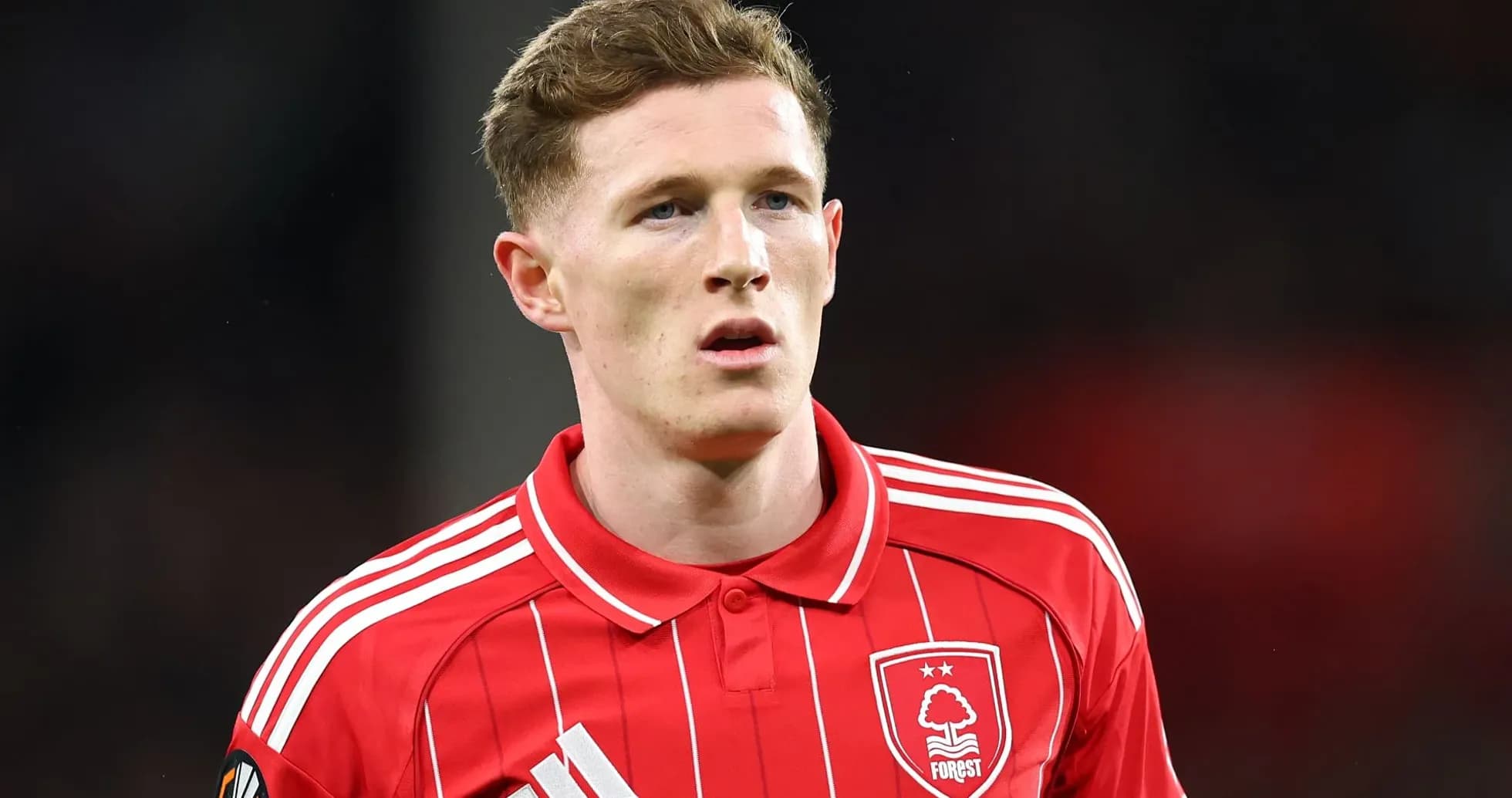
Elliot Anderson, the latest jewel to emerge at the City Ground, has drawn admiring glances from both sides of Manchester, yet anyone thinking they can simply stroll in from the Etihad or Old Trafford and walk away with him has misread the room badly. Evangelos Marinakis does not do discounts. He does leverage.
The Forest owner has built a reputation as one of the game’s hardest negotiators, and nothing about Anderson suggests that stance will soften. Any deal, if it ever arrives, will be on Forest’s terms and Forest’s timeline, with Trentside expecting a serious, transformative return before they even consider loosening their grip.
The numbers being whispered around the Premier League tell their own story. A nine-figure valuation. A price tag north of £100 million. That is the kind of territory usually reserved for established superstars, not a young England international still at the front end of his career. Yet Anderson is no ordinary project. He is being tipped to light up this summer’s World Cup, a central piece in Thomas Tuchel’s plans with a Three Lions squad that suddenly looks as ambitious as its manager.
If that prediction holds on North American soil, his value will not just hold. It will spike.
Jack Colback, who knows both Forest and the midfield trenches intimately, has seen enough to believe the hype has substance. Speaking in association with Bally Bet, he cut through the jargon and modern positional labels to capture the essence of Anderson’s game.
“He’s just very, very good. He’s a very old-fashioned kind of midfielder, where he does everything,” Colback said. In an era obsessed with No.6s, No.8s and No.10s, Anderson refuses to be boxed in. He tackles. He dictates. He creates. He arrives in the box. “His defensive play is fantastic. On the ball, he dictates play and is very good. He is creative and he also gets forward. He’s one of those that does it all. He could be one of the very best.”
That last line hangs in the air at Forest. Because Anderson is not a lone beacon. He is part of a core that has quietly grown into one of the most intriguing collections of talent outside the traditional elite.
Morgan Gibbs-White has already become the heartbeat in that iconic Garibaldi red, a talismanic No.10 who has taken his game to another level since arriving. Behind them, Murillo has emerged as the kind of centre-half big clubs spend years trying to find and fortunes trying to replace.
Colback was still at the City Ground when the Brazilian arrived, a hulking, ball-playing defender who looked raw at first glance but different when you watched him closely.
“I've watched him a few times. Live in the stadium, he's one of them who kind of looks like he's got a mistake in him. But he reads the game so well and reacts so well,” Colback reflected. There is honesty in that assessment, and also a hint of why Forest’s form dipped when injuries bit. “They [Forest] have missed him a little bit this season with injuries, and that showed a bit in the form. But I think it's credit to the club, the recruitment has been really, really good for a good few years now – credit to the owner for that.”
Murillo has now nailed his colours to the mast with another new contract running through to 2030. On paper, that gives Forest security. In reality, it also gives them power. If he stays, he and Gibbs-White have the platform to carve out modern-day legend status at the club, anchoring a side that no longer sees survival as the ceiling. If he goes, it will be for a fee that reflects the risk Forest took and the player he has become.
Either way, Marinakis wins.
The sense of continuity at Forest is not just financial or tactical. It is emotional. Recently, some of the figures who helped drag the club back into the Premier League have returned to familiar surroundings. Colback, a promotion winner in 2022, has been back in the thick of it, this time in a different kind of contest.
Forest’s front-of-shirt partner Bally Bet has been on a mission to shine a light on the game’s lifeblood: grassroots football and the veterans who have given years to it without fanfare. To do that properly, they turned to a man who understands both the club’s history and its heartbeat – Mark Crossley.
The Forest great was tasked with assembling the first-ever All-Stars Vets squad, not from glossy academies or highlight reels, but from the real characters of the grassroots scene. The ones who turn up in the rain, who tape up ankles instead of talking about “load management”, who keep dressing rooms alive.
Crossley, backed by other familiar Forest faces, pulled together the Bally Bet All-Stars and handed them an experience usually reserved for Premier League professionals. They swapped recreation grounds for the City Ground, the concrete and chain-link of local pitches for the banks of red seats and history on the banks of the Trent.
On May 28, they walked out under those stands to face a team of hand-picked Forest legends. Same turf, same tunnel, same crest. A different level of dream.
For Forest, it felt like a neat snapshot of where the club stands. A squad stacked with high-value assets like Anderson, Gibbs-White and Murillo, overseen by an owner who refuses to blink in the market. A recruitment department that keeps finding value. A fanbase and community that still honours the graft at the bottom as much as the glamour at the top.
The big clubs will keep circling. The bids will come. The question now is not whether Forest can produce players that the elite covet. It is whether they can hold their nerve long enough to turn this promising core into something that endures, rather than just cashing in on what might have been.