Mohebi's Celebration Sparks Political Controversy After Iran's Draw
Iran’s World Cup opener in Los Angeles should have been remembered for its drama on the pitch: a 2-2 comeback, a vital point, a statement of resilience. Instead, it left the stadium and went straight into a political storm.
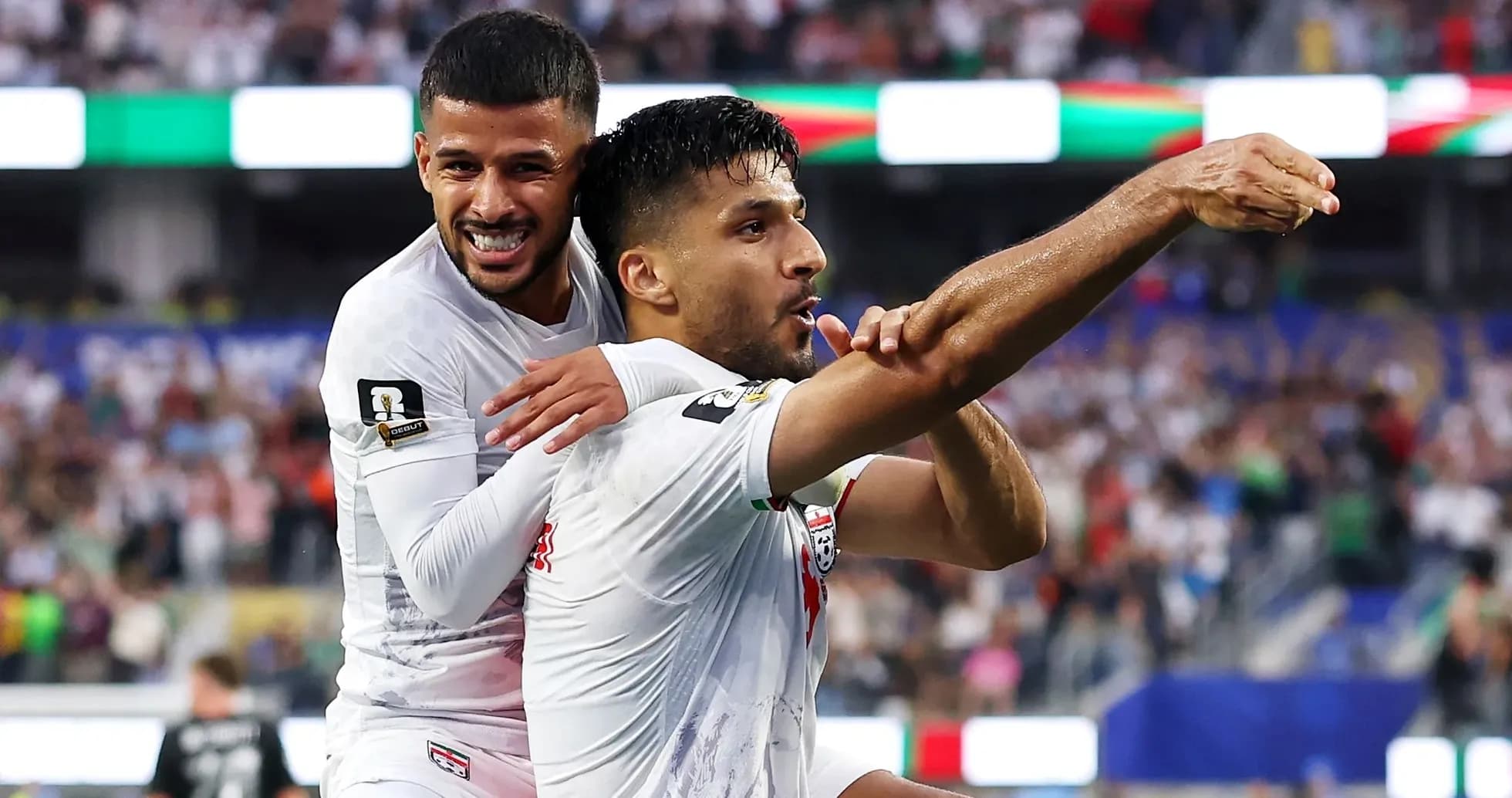
The flashpoint came in the 64th minute. With Iran trailing New Zealand, Mohammad Mohebi struck the equaliser that dragged Team Melli back into the contest. As the ball hit the net, the midfielder peeled away, and the focus instantly shifted from the scoreline to his hands.
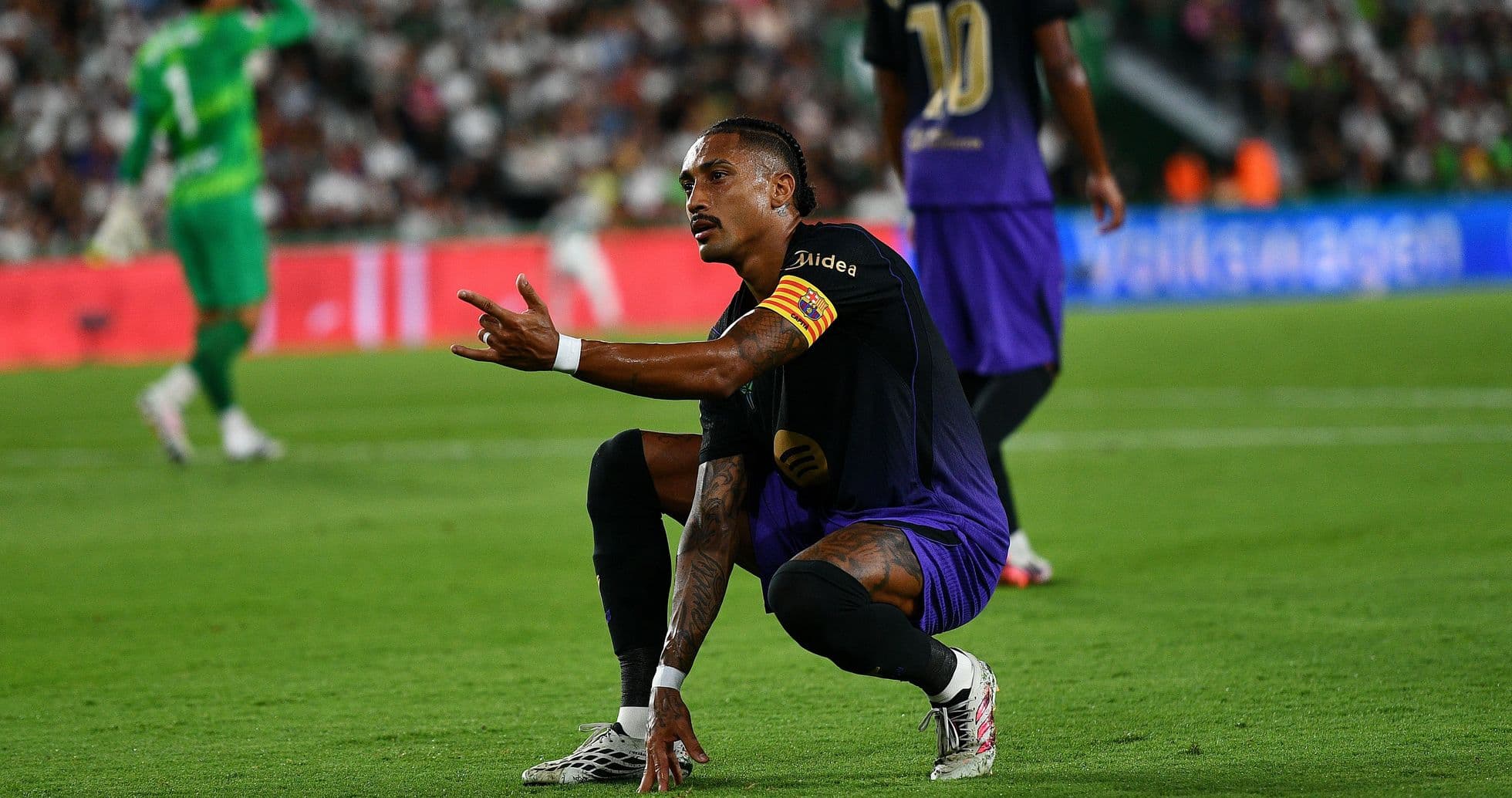
Mohebi pointed two fingers towards his arm, then extended two fingers on his right hand and sliced them through the air. To many watching in the stadium and around the world, the sequence looked unmistakable: a “gun” gesture.
The reaction was immediate. Clips of the celebration raced across social media, slowed down, zoomed in, replayed from every angle. Fans argued, commentators weighed in, and calls began for FIFA to step in during a World Cup already laced with political tension around Iran’s presence and its domestic situation.
Mohebi moved quickly to defuse the narrative. For him, he insisted, this was about gratitude, not provocation.
“I wanted to say thank you to all Iranians who live in Los Angeles, they make a great atmosphere,” the 27-year-old said after the match. “The celebration came to mind, and I do this [gestures] for all of the fans, just a celebration, you know.”
He framed it as spontaneous, a visual shout-out to a diaspora that had turned the stands into a home crowd. Yet the more he talked, the more the images spread. The celebration, meant or not, had already taken on a life of its own.
And Mohebi wasn’t the only Iranian player under the microscope.
Attention sharpened further when teammate Ramin Rezaeian spoke to reporters. The defender had scored earlier and marked his goal by pulling his shirt over his face as he sprinted towards the supporters. It was a striking, loaded image in a match already humming with off-field context.
Asked directly about his own celebration, Rezaeian didn’t pretend it was neutral.
“It’s something political (his goal celebration), I don’t want to talk about that,” he admitted, stopping short of any explanation. With that, he opened the door just enough to confirm there was more beneath the surface, then slammed it shut.
He tried to drag the conversation back to the pitch.
“We are here to answer football questions. If there is a problem between us (the Iranian people), it is between us,” he added, drawing a clear line between the national team and the political battles surrounding it.
By then, though, the match had become a backdrop. The debate had moved on to what those gestures meant, who they were aimed at, and whether they breached FIFA’s rules on political statements and provocative behaviour.
FIFA has been approached for comment on Mohebi’s celebration, and all eyes now turn to Zurich. The governing body must decide whether the gesture merits formal scrutiny or disciplinary action, or whether it falls into that murky territory of personal expression that football so often struggles to police.
For Iran, the timing is far from ideal. On the field, a 2-2 draw in their opening Group G fixture keeps them alive and competitive. Off it, they head into their second match under a harsher spotlight than any coach would welcome.
Next up is Belgium on June 21, again in Los Angeles. A heavyweight opponent, a high-stakes group game, and a squad already carrying the weight of something far bigger than football.
The question now is simple: can Team Melli keep the conversation on the grass, or will every goal, every gesture, every celebration become another battleground?