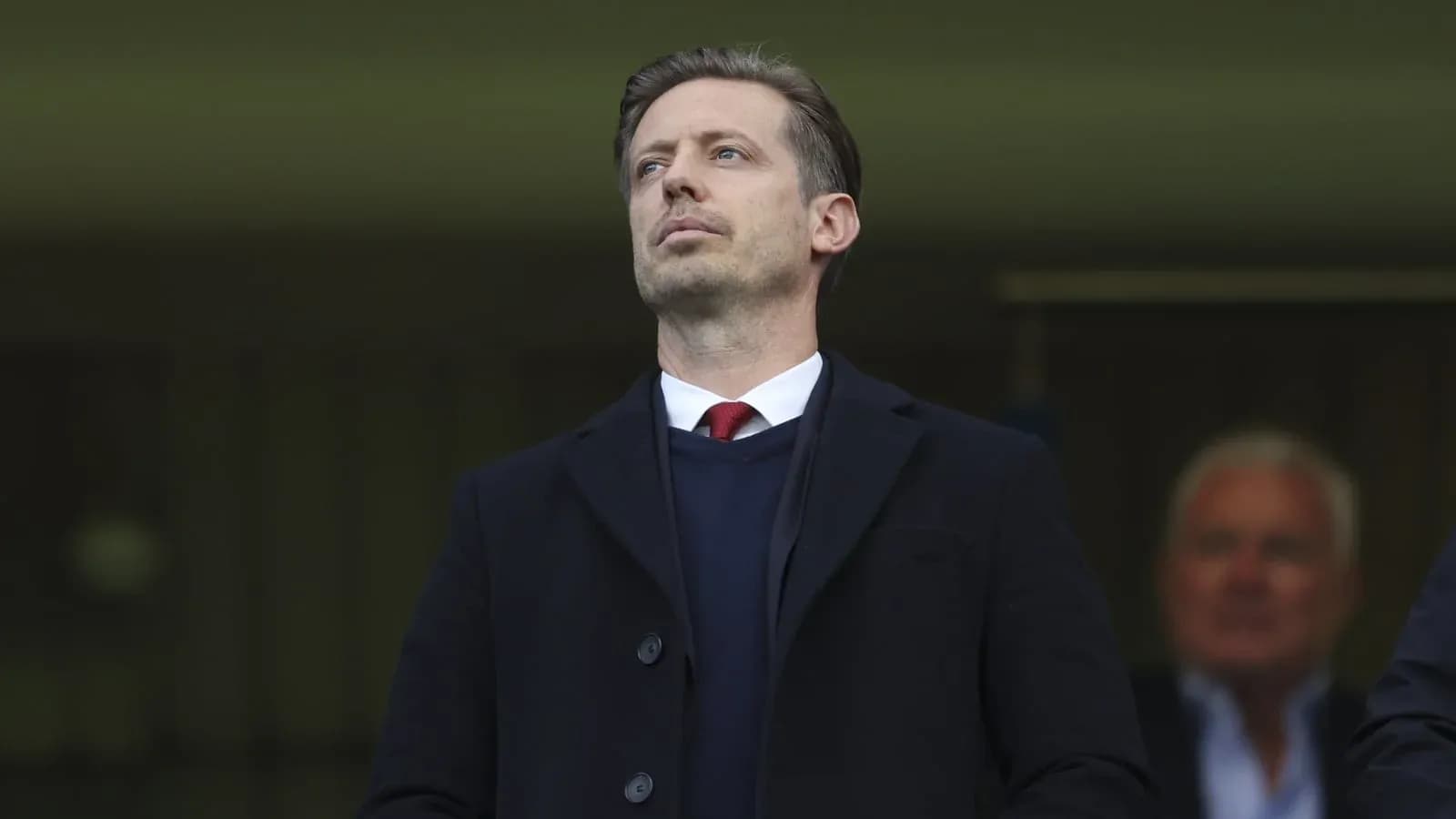
Michael Edwards Resigns: Impact on Liverpool's Football Structure
Michael Edwards walks away again, and Liverpool’s power structure shudders a little.
The architect of much of the club’s modern success has resigned from his role as chief executive of football at Fenway Sports Group, leaving with a year still to run on his contract and handing FSG another major decision at a delicate moment.
A grand plan that never took off
Edwards, Liverpool’s former sporting director, was brought back into the fold two years ago in a significantly elevated position. After Jürgen Klopp’s departure, FSG wanted a seasoned, trusted figure to steer a broader football vision: a multi-club model, with Liverpool at the centre of a wider network.
That project never truly left the drawing board. Late last year, the American ownership group quietly parked the multi-club strategy. Once that happened, the role Edwards had signed up for shifted under his feet. It did not take long for him to make his intentions clear.
He informed FSG he wished to leave. They tried to change his mind. They failed.
The result is a sudden vacuum at the top of Liverpool’s football operation, just as questions swirl around sporting director Richard Hughes and his reported links to a move to Saudi Arabia. One succession plan has stalled; another now looks vulnerable.
Edwards bows out – again
In a statement, Edwards struck a tone of pride and closure rather than frustration.
"It has been a privilege to return to Fenway Sports Group and Liverpool Football Club at such an important moment," he said, insisting he departs convinced the club is "in a strong position, with outstanding people, a clear direction and the foundations in place for continued success."
He underlined why he came back: to guide Liverpool through a period of transition and to help shape FSG’s wider football ambitions. That second part is the one that never truly materialised.
"While that broader project ultimately evolved differently to how we had originally envisaged," he added, he remained proud of the work done in presenting ownership with "a broad range of thoughtful and well-developed options for the future."
The farewell was detailed, personal, and pointed in its gratitude. Edwards thanked Mike Gordon, John Henry, Tom Werner and "everyone across FSG and Liverpool," before turning to the supporters, "whose passion makes this club so special. I will always be grateful to have been part of its story."
For a figure who has always preferred the shadows to the spotlight, it read like a carefully drawn final line.
FSG leans back on Gordon
If Edwards’ departure raises questions, FSG’s immediate answer is familiar. FSG president Mike Gordon will take over his duties, stepping once more into the operational heart of Liverpool’s football structure.
Gordon, a long-time key decision-maker behind the scenes, paid a lavish tribute to the outgoing executive, calling Edwards’ contribution "extraordinary" and highlighting the breadth of his influence across both spells at the club.
"When Michael returned in 2024, he did so at a pivotal moment for Liverpool, embracing a broader leadership role across our football interests in the process," Gordon said, pointing to Edwards’ "exceptional judgement, integrity and an unwavering commitment to building a strong football organisation for the long term."
Gordon also linked Edwards’ return with Liverpool’s ability to navigate a "significant period of transition" before securing a historic English league title, stressing that Edwards made "an important contribution" to that achievement.
The message was clear: this was not just another executive moving on. This was a cornerstone of the project stepping away.
"We are naturally disappointed to see him leave," Gordon admitted, before closing with thanks on behalf of Henry, Werner and everyone at FSG, and wishing Edwards and his family "every success and happiness in the future."
Leadership questions at a sensitive time
Edwards’ exit lands at a moment when Liverpool’s off-pitch architecture feels unusually fragile. Klopp has gone. The next great managerial era is still being defined. Now the man charged with knitting together FSG’s wider football vision is walking away, just as speculation mounts around Hughes’ future.
The ownership insists the club is stable, the direction clear, the foundations strong. Edwards himself echoed that view on his way out. Yet the pattern is hard to ignore: one era has ended, and the new one is still searching for a settled shape.
FSG can lean on Gordon’s experience and long-standing influence. They can point to a proven track record of recovering from upheaval. What they cannot avoid is the reality that another trusted strategist has left the stage.
The question now is not what Edwards has already built at Liverpool. It is who will be trusted to build what comes next.