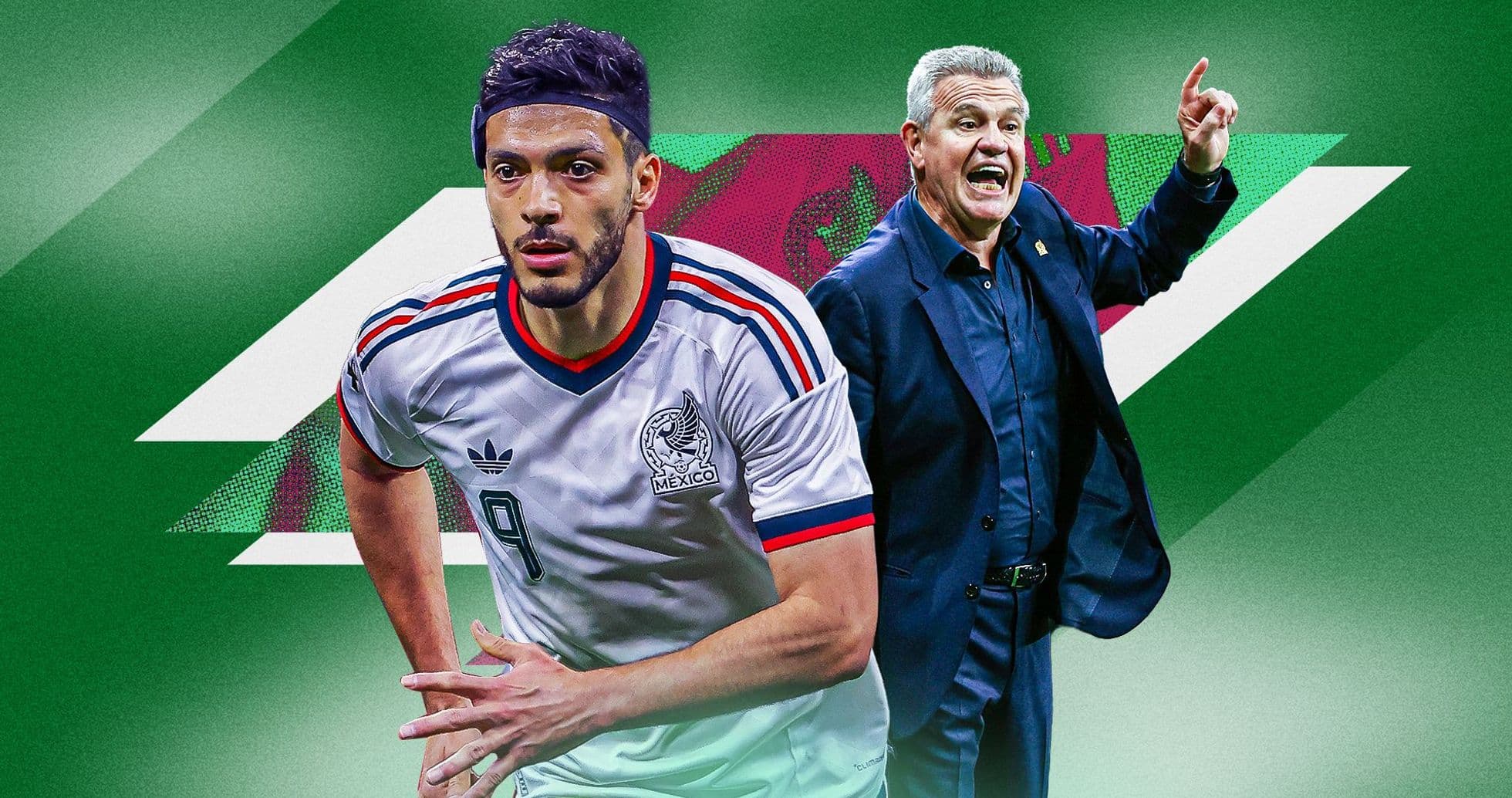
Mexico's World Cup Journey: Aguirre's Last Stand and New Hope
Mexico arrive with the weight of a nation on their backs. Again.
For El Tri, simply getting out of the group is not a target, it is a demand. Anything less would be a national inquest. Topping the group, though, might finally give them a cleaner run at the last 16 and a chance to delay the inevitable collision with the tournament’s heavyweights.
Aguirre’s last stand
On the touchline, a familiar figure is back for one more run. Javier Aguirre, ‘El Vasco’, leads Mexico into a World Cup for the third time, knowing this is his farewell before handing the job to his assistant, Rafa Marquez. He carries a complex legacy: two Gold Cups, two previous World Cup campaigns, and a constant murmur of criticism about cautious football and conservative squad choices.
He has leaned again on what he trusts most: Liga MX. Before the domestic season had even finished, 12 players from the league were already in the preliminary camp. The foreign-based contingent arrived later, but the spine remains unmistakably domestic, unmistakably Aguirre.
Some big names from past cycles have been sacrificed. Diego Lainez is out. So is Chucky Lozano. Mexico move forward without two of the brightest faces of their previous generation, a clear sign that this version of El Tri is built on different pillars.
A hardened core, a fragile promise
At the back, Mexico look solid, almost old-school. Johan Vasquez and Cesar Montes form a central defensive partnership that gives this team a base to work from, a platform for Aguirre’s pragmatism. They will not dazzle. They will compete, win duels, and give Mexico a chance to stay in games when the pressure rises.
Midfield is where the balance must be found. Alvaro Fidalgo, the metronome, and Obed Vargas, the young climber from the youth ranks, are expected to knit play together. Around them, the captain stands: Edson Alvarez, battered by an injury-hit club season but still indispensable. If Mexico are to control matches rather than chase them, that trio will have to impose itself.
The structure is there. The discipline is there. What has so often been missing for Mexico at World Cups is the spark.
Jimenez, one last World Cup
Up front, the responsibility is brutally clear. Raul Jimenez is not just the starting striker; he is the reference point for the entire attack. At 35, preparing for his fourth World Cup, the Fulham forward remains the star of this side.
The numbers back it up. In Mexico’s two trophy wins in 2025, Jimenez scored nine of the team’s 22 goals. When Mexico lifted silverware, it was his finishing that turned tight games into celebrations. No one else in this squad truly threatens his status.
That reality feels even sharper given Santiago Gimenez’s struggles at AC Milan. A difficult season has dimmed, at least for now, the idea of a seamless generational handover. So the burden falls back on Jimenez. Again.
Ochoa, the eternal guardian
Behind them all, a familiar face has reappeared from what looked like international retirement. Guillermo Ochoa, the World Cup specialist, is back in the frame after Luis Malagon’s injury reopened the door.
It sets up a remarkable piece of history. Ochoa is now on the brink of a sixth consecutive World Cup, a feat that will be matched only by Lionel Messi and Cristiano Ronaldo at this tournament. For Mexican fans, his presence is more than nostalgia. It is reassurance. In a team that may wobble, Ochoa has so often stood firm when the world was watching.
A 17-year-old to ignite a nation
Yet the most intriguing name in this squad is not Jimenez or Ochoa. It is a teenager.
Gilberto Mora, just 17, walks into this World Cup as Mexico’s great unknown and greatest hope. An attacking midfielder from Tijuana, he has only just returned from an injury that stole much of his Liga MX season. That absence has not cooled the excitement around him.
Within Mexico, observers talk about a level of talent not seen for years. Mora operates between the lines, a natural creator in the final third, the kind of player who can see passes others do not and deliver them under pressure. He is already rewriting age records in Mexican football, already forcing scouts from Europe’s biggest clubs to circle and plan.
This is the paradox of Aguirre’s Mexico. A coach accused of caution may end up leaning on a 17-year-old to unlock games his system cannot. In a side that sometimes struggles to create clear chances, Mora’s imagination could become the difference between another respectable exit and something more daring.
The stakes are familiar. The script is not. Mexico arrive again with pressure, again with expectation, again with the round-of-16 curse hanging over them like a storm cloud.
This time, their fate may rest on a veteran striker, an ageless goalkeeper—and a teenager bold enough to try and change the story.