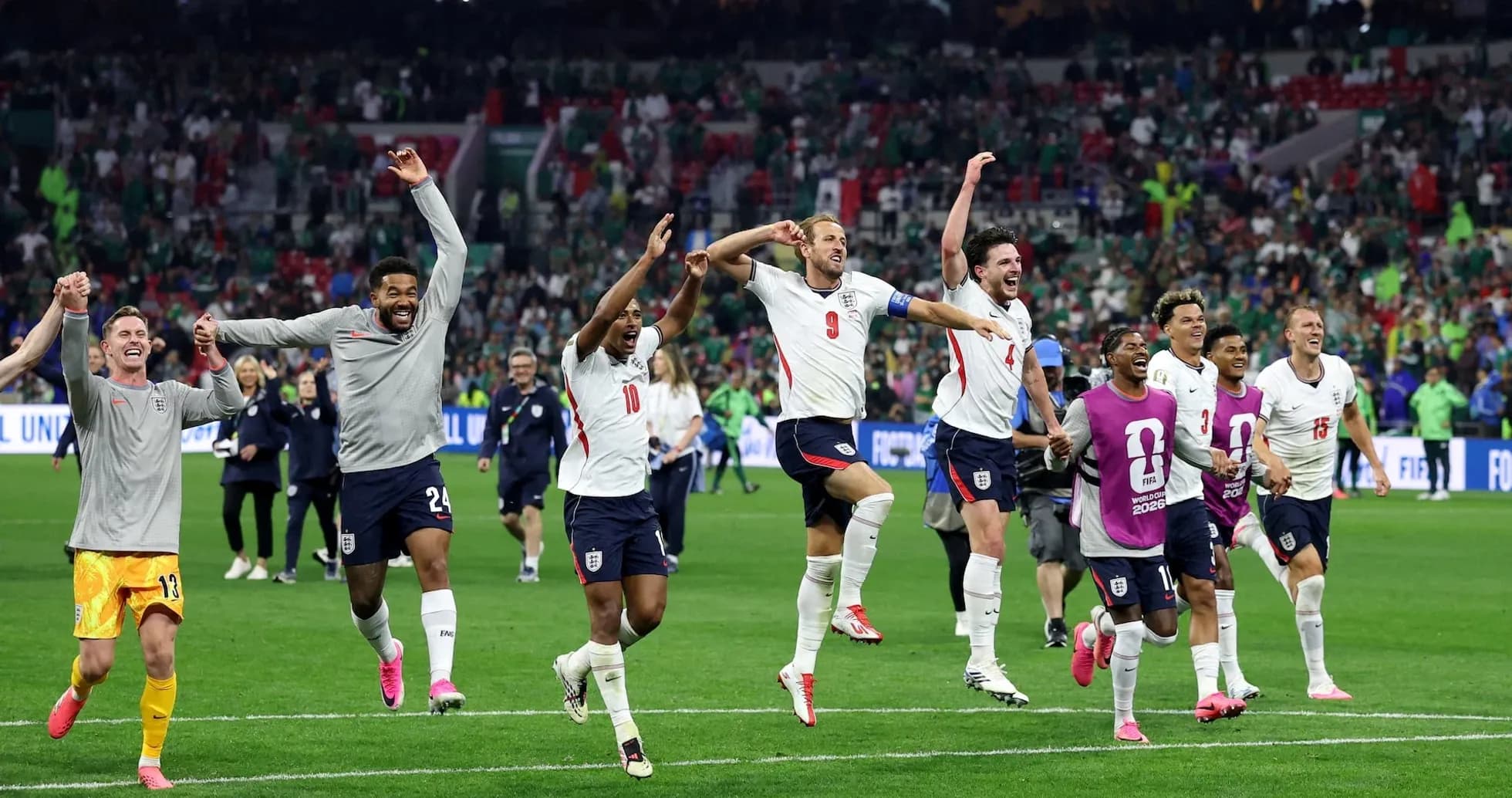
Mexico vs England: World Cup 1/8 Final Clash
The World Cup 1/8 final at Estadio Banorte unfolded like a clash of two fully formed identities. Mexico arrived as Group A’s dominant force, ranked 1st in their section with 9 points and a goal difference of 6 after three group matches, built on a perfect record of three wins, 6 goals scored and none conceded. England mirrored that authority in Group L, also ranked 1st with 7 points, unbeaten with two wins and a draw, and a goal difference of 4 from 6 goals scored and 2 conceded. This was not a mismatch but a collision between two sides used to dictating terms.
Mexico’s seasonal profile heading into this game had been defined by control and clarity. Across the campaign they had played 5 matches in total, with 4 wins and 1 defeat. At home they had played 4 times, winning 3 and losing 1; on their travels they had played once and won it. Their attacking output was steady rather than explosive: 10 goals in total, with 7 at home and 3 away. The pattern was of a side that built pressure patiently: at home they averaged 1.8 goals, away 3.0, for an overall average of 2.0. Defensively, they were miserly. In total this campaign they had conceded just 3 goals, all at home, with an average of 0.8 at home, 0.0 away, and 0.6 overall. Four clean sheets in five matches underlined a structure that was usually watertight.
England’s numbers painted a different, more open picture. Across their 5 matches they were unbeaten, with 4 wins and 1 draw, split between 3 home fixtures (2 wins, 1 draw) and 2 away wins. They had scored 11 goals in total — 6 at home, 5 on their travels — with an attacking average of 2.0 at home, 2.5 away, and 2.2 overall. At the other end they had conceded 5 in total, 3 at home and 2 away, for a defensive average of 1.0 both home and away. Where Mexico leaned on defensive control, England were comfortable in higher-scoring, more volatile contests.
Those seasonal identities were echoed in the lineups. Mexico’s 4-3-3 under Javier Aguirre was a statement of continuity: it was their most-used shape, deployed in 4 of their 5 matches. R. Rangel in goal anchored a back four of J. Gallardo, J. Vasquez, C. Montes and J. Sanchez — a line that had been central to those four clean sheets. Montes, who had already collected a red card earlier in the tournament, brought aggression and aerial presence; his previous dismissal was a reminder that Mexico’s defensive edge can sometimes tip into risk.
Ahead of them, the midfield triangle of L. Romo, E. Lira and G. Mora was built for balance. Romo and Lira offered ball-winning and circulation, while Mora’s positioning between lines allowed Mexico to connect quickly with their front three. In attack, R. Alvarado and J. Quiñones flanked R. Jimenez, forming a trio that had been at the heart of Mexico’s cutting edge. Quiñones, with 4 goals and 1 assist across the tournament and a strong all-round contribution in duels and dribbles, arrived as one of the World Cup’s standout performers. Jimenez, with 3 goals in 4 appearances and a penalty converted, provided a classic penalty-box presence. Alvarado, among the top assist providers with 3, had been Mexico’s subtle creator, combining 191 passes and 13 key passes with 7 successful dribbles from 8 attempts.
England, under Thomas Tuchel, leaned into a 4-2-3-1 that had been used in 4 of their 5 matches. J. Pickford started in goal behind a back four of N. O’Reilly, M. Guehi, E. Konsa and J. Quansah. Quansah’s presence carried a narrative twist: he had already been sent off once in this World Cup, with 1 red card and 1 yellow card in just 117 minutes. His duels numbers were strong, but his disciplinary record suggested a defender who can be drawn into rash decisions — a potential pressure point against the direct running of Quiñones and the clever movement of Jimenez.
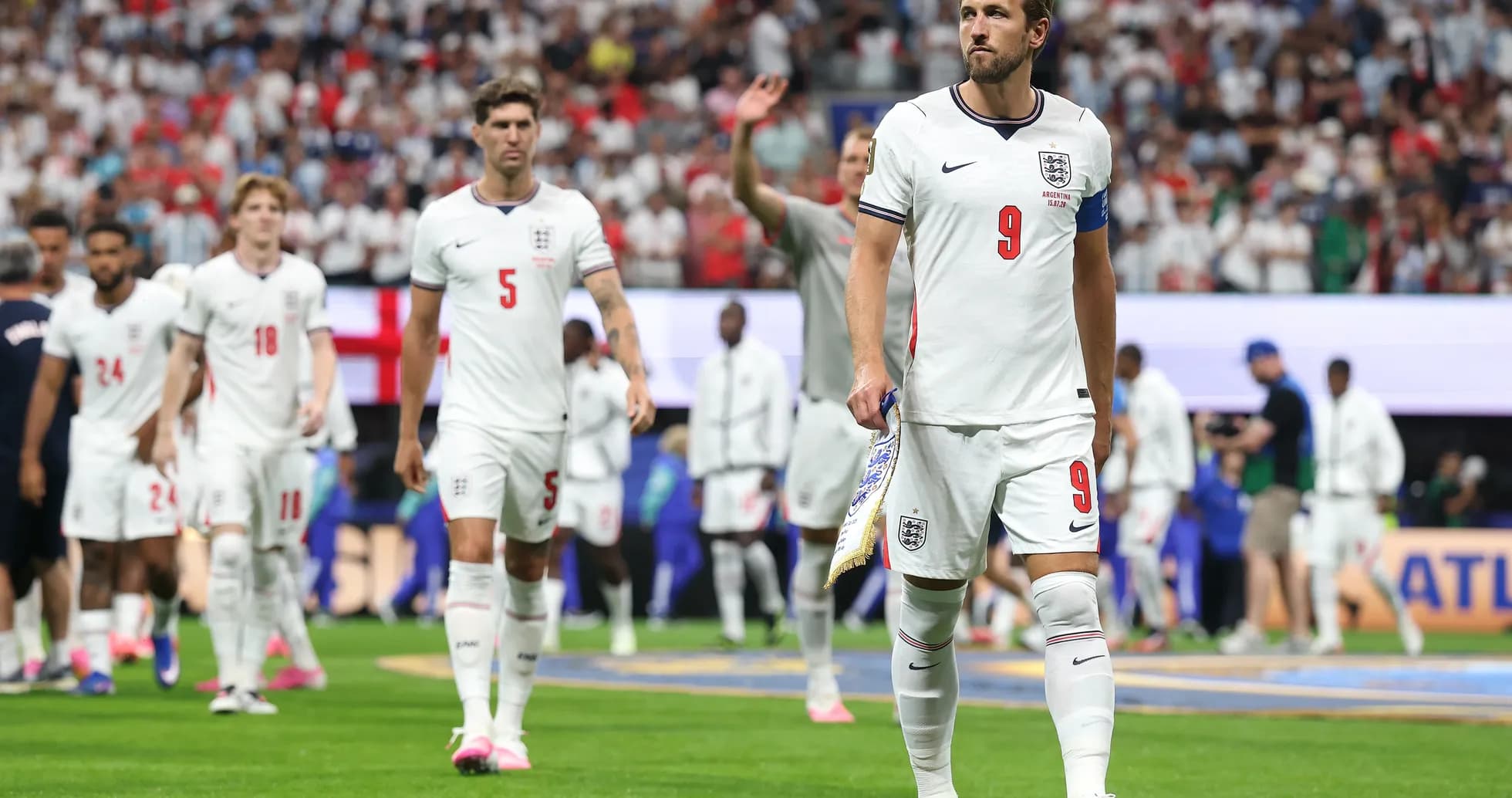
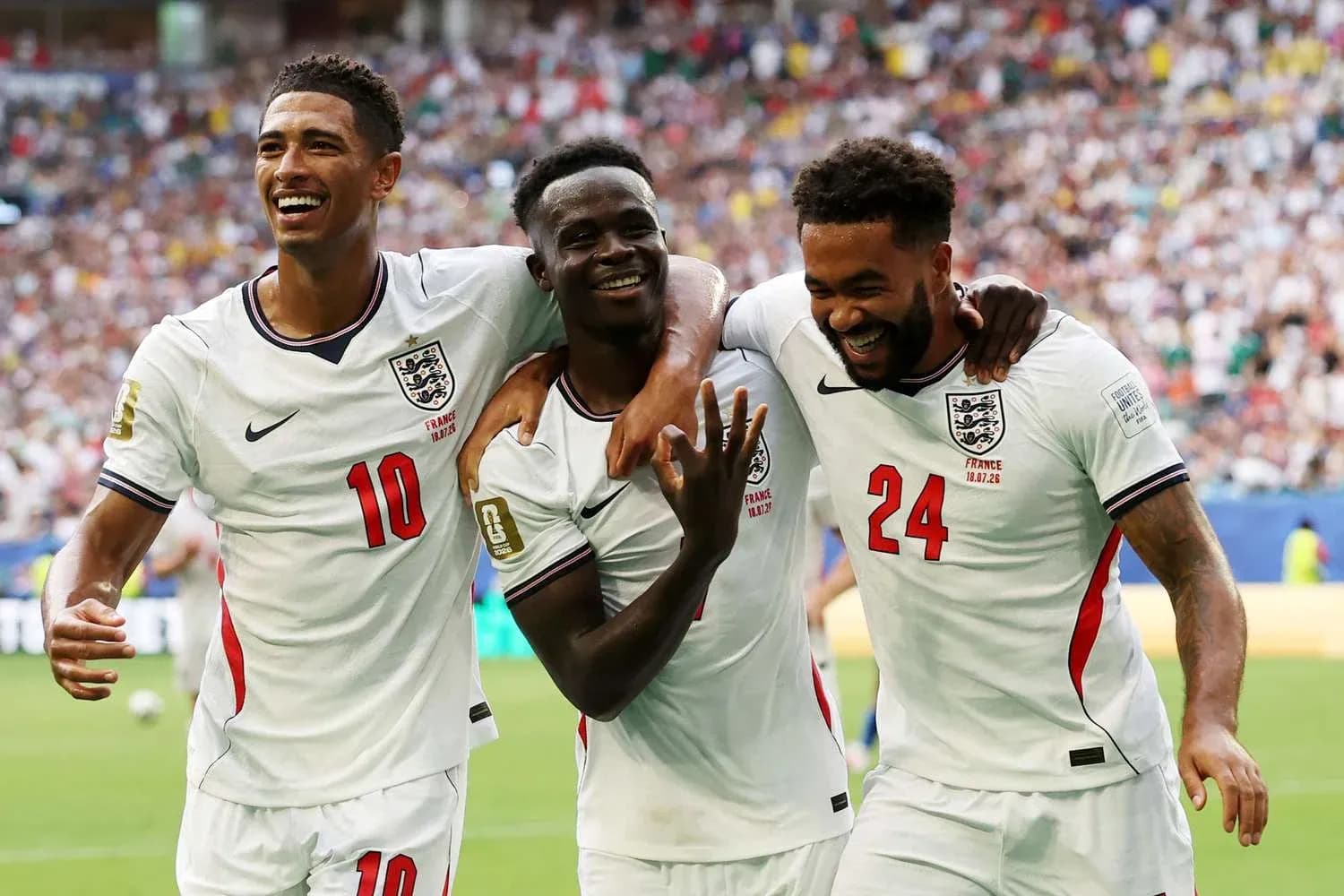
In midfield, D. Rice and E. Anderson formed the double pivot. Rice, with 2 yellow cards in 4 appearances and 166 passes at 91% accuracy, was both England’s metronome and their main enforcer. Ahead of them, the line of B. Saka, J. Bellingham and A. Gordon supported H. Kane as the lone striker. Kane arrived as the competition’s most ruthless finisher: 6 goals and 1 assist in 5 appearances, 15 shots with 10 on target, and 2 penalties scored from 2 taken. Behind him, Bellingham’s 4 goals and 1 assist and Saka’s 3 assists from just 192 minutes gave England multiple points of incision.
The disciplinary backdrop added another layer. Across the tournament Mexico’s yellow cards skewed towards the middle and late phases of normal time: 25.00% between 16-30 minutes, 50.00% between 61-75, and 25.00% in the 91-105 window. They had also seen red once between 91-105 minutes. England’s bookings were more evenly spread, but with a spike of 28.57% between 61-75 minutes and a red card between 46-60. In a knockout tie that finished 3-2 to England after a 2-1 first half, those trends hinted at where the game might tilt: Mexico’s intensity and risk rising as matches wear on, England’s back line vulnerable to lapses just after the interval.
The key individual duels were clear. In the “Hunter vs Shield” axis, Kane’s finishing and penalty reliability faced a Mexico defence that, heading into this game, had conceded only 3 goals in total and kept 4 clean sheets. Rangel, backed by the aerial strength of Montes and the experience of Gallardo, had been almost flawless, but England’s overall attacking average of 2.2 goals per match suggested they would generate enough volume to test that record.
At the other end, Quiñones and Jimenez formed Mexico’s own hunting pair against an England back line that had conceded 5 in total, an average of 1.0 per match both home and away. England’s defensive numbers were solid but not elite, and with Mexico averaging 2.0 goals overall, this always felt like a tie where the favourites’ back four would be forced into uncomfortable recovery runs and one‑v‑one duels in the channels.
In the “Engine Room” battle, Bellingham’s all‑action profile — 4 goals, 1 assist, 58 duels with 30 won — met the positional intelligence of Lira and the box‑to‑box presence of Romo. Rice, with his blend of passing range and tactical fouling, was tasked with screening England’s centre-backs from Jimenez’s movements and Quiñones’ inside runs. On the flanks, Saka’s creative surge, reflected in his 3 assists and 18 duels won, squared up against Gallardo and Sanchez, while Alvarado’s ability to drift inside to create overloads tested O’Reilly’s defensive positioning.
From a statistical standpoint, the tie always leaned towards goals. Mexico’s overall scoring average of 2.0 combined with England’s 2.2 suggested a match with multiple chances at both ends, especially given England’s average of 1.0 goal conceded per match and Mexico’s late‑game disciplinary spikes. With both sides perfect from the spot this tournament — Mexico scoring 1 of 1 penalty, England 2 of 2 — any penalty incident threatened to become decisive.
In the end, the 3-2 scoreline to England felt like the logical, if brutal, convergence of those profiles. Mexico’s structure and home solidity were finally breached by the sheer weight of England’s attacking talent, while England’s defence, as the numbers hinted, could not fully contain Mexico’s front line. The narrative of this 1/8 final, then, was not of one side collapsing, but of two well‑defined footballing identities pushing each other to their statistical and tactical limits — and England, powered by Kane, Bellingham and Saka, finding just enough edge to survive.