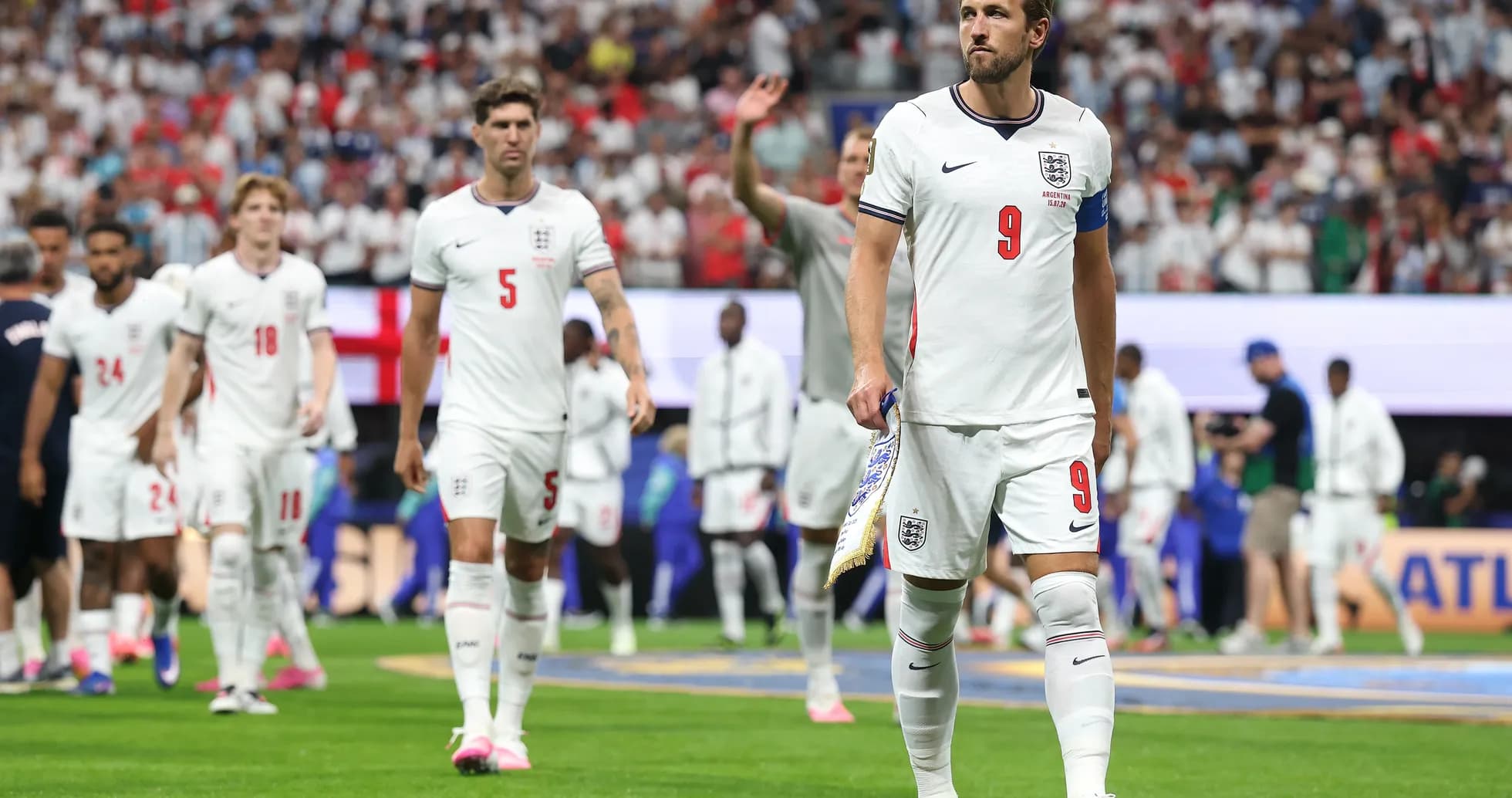
France vs England: A Wild 10-Goal World Cup 3rd Place Final
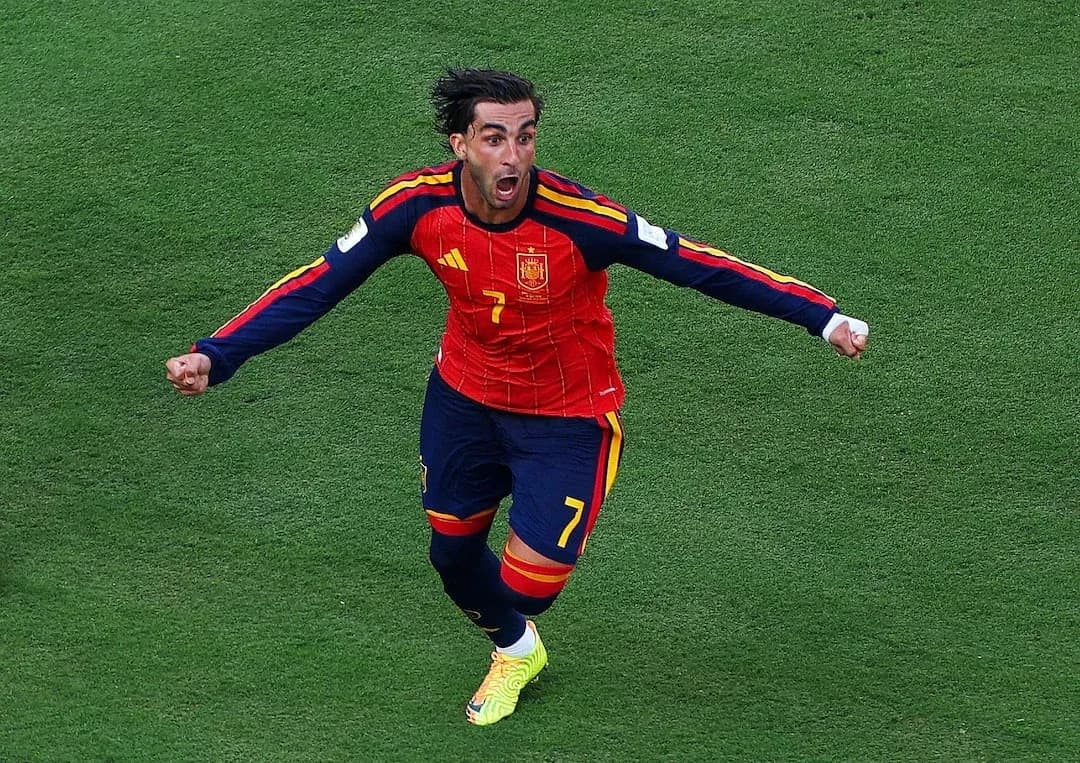
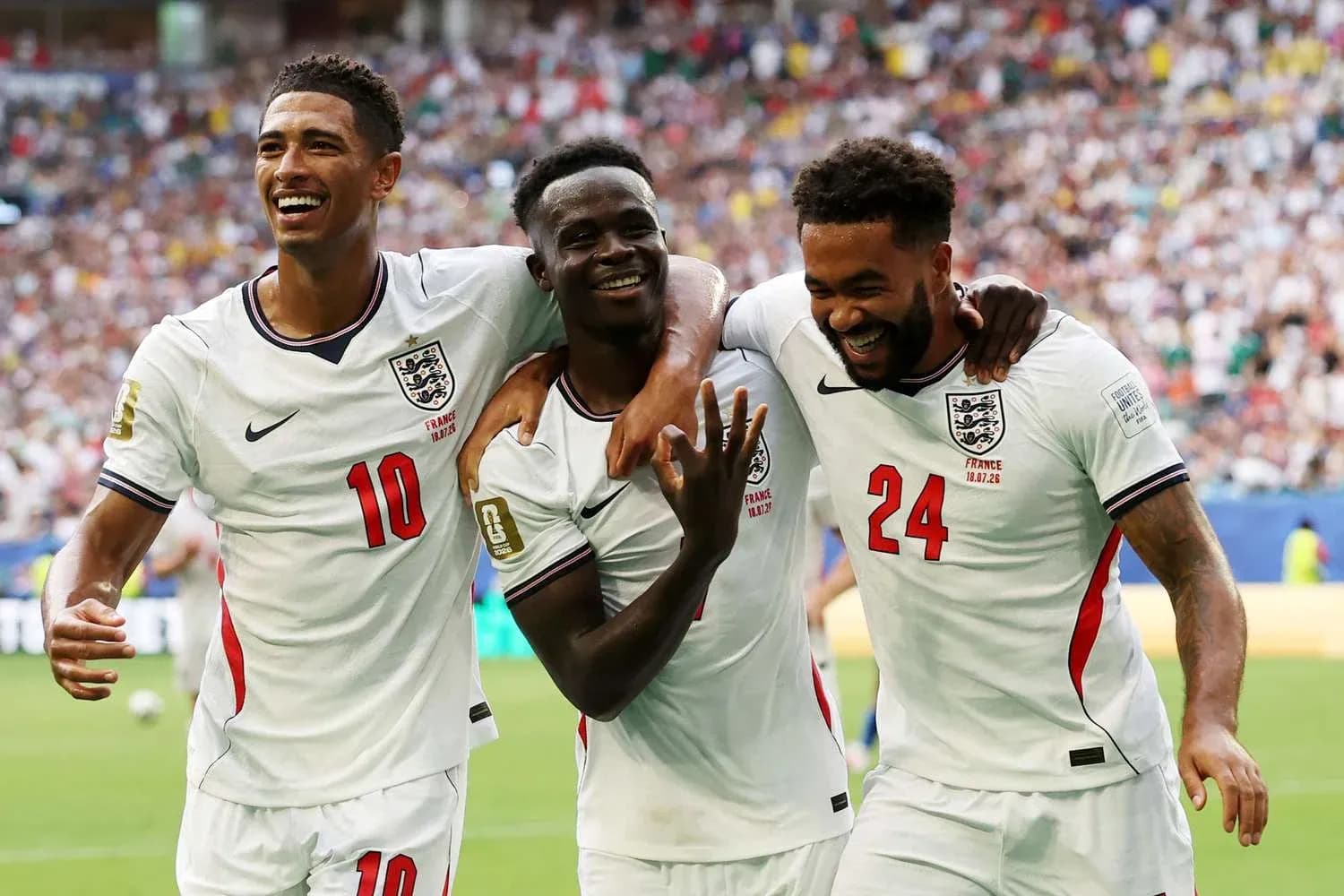
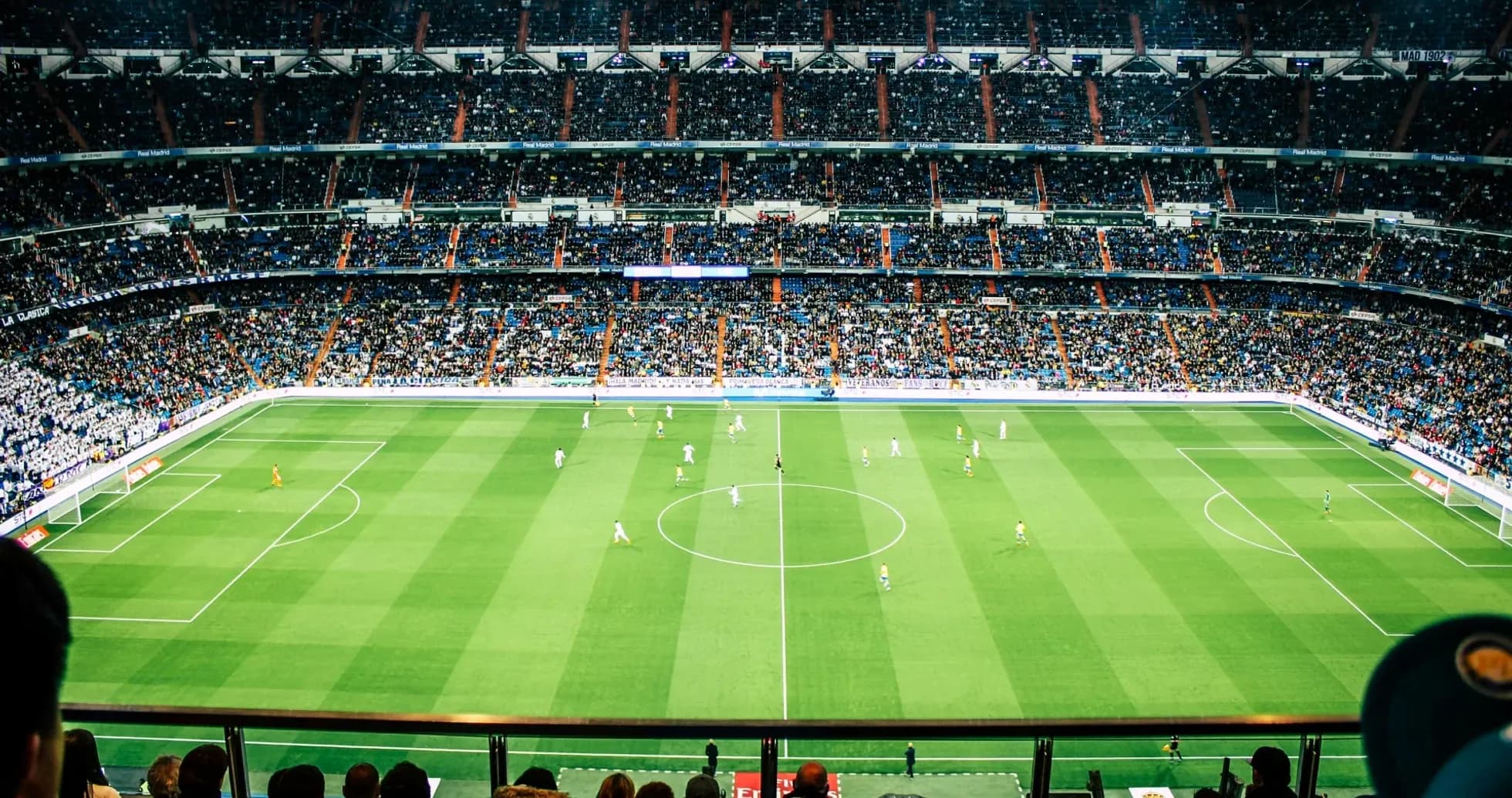
Under the lights of Hard Rock Stadium in Miami Gardens, the World Cup 3rd Place Final became something else entirely: a wild, 10-goal shootout where structure met chaos and both managers leaned into their attacking instincts. France 4–6 England is not just a scoreline; it is a tactical fault line that exposes where these squads are now and where they are heading.
I. The Big Picture – Two heavyweights, different trajectories
Heading into this game, both sides had marched through their groups as leaders. France topped Group I with 9 points from 3 matches, a perfect record with 10 goals scored and 2 conceded overall, and a goal difference of 8. England did the same in Group L, taking 7 points from 3, scoring 6 and conceding 2 overall, with a goal difference of 4.
Over the full World Cup campaign, their statistical DNA was remarkably similar in one respect: firepower. France arrived with 20 goals in total across 8 matches, split evenly between home and away contexts, averaging 2.5 goals per game overall. England matched that 20-goal total in 8 matches, but with a twist: they were devastating on their travels, scoring 13 away goals at an average of 3.3 per away game, compared to 7 at home at 1.8 per home match.
Defensively, France’s numbers hinted at the story to come. They had conceded 10 goals overall before this fixture, with a stark split: 9 at home at 1.5 per home game, but only 1 away at 0.5 per away match. England’s defensive line was sturdier on paper but still vulnerable: 12 goals conceded overall, 5 at home (1.3 per home match) and 7 away (1.8 per away game). A high-scoring contest was baked into the data; the 4–6 score merely pushed that logic to its extreme.
II. Tactical Voids – Absences and discipline
Both squads arrived almost at full strength, but with one notable absentee each. For France, William Saliba was ruled out with a back bruise, removing a calm, ball-playing presence from the heart of defence. For England, Kobbie Mainoo’s wound kept him out, denying Thomas Tuchel a flexible midfield option who could have helped England manage transitions when the game became stretched.
France’s disciplinary profile across the tournament pointed to late-game tension: 33.33% of their yellow cards arrived between 76–90 minutes, with further bookings scattered earlier, especially in the opening 15 minutes and the 61–75 window. England, by contrast, had a more even spread of cautions but a critical red-card flashpoint: their only red of the tournament came between 46–60 minutes. That is the period where their aggression can tip over, and where a game like this could have spiralled if control was lost.
In this match, the chaos came more from structure and tempo than from cards, but those underlying trends still inform how both squads will be remembered in this tournament: France as a side that frays late; England as one that walks a fine line in the early second half.
III. Key Matchups – Hunter vs Shield, Engine Room battles
The headline duel was always going to be Kylian Mbappé against England’s back four. Mbappé entered this fixture as the tournament’s most ruthless finisher: 10 goals and 4 assists in 8 appearances, with 36 shots and 23 on target. He was not just a scorer but a creator, with 18 key passes and an 85% pass accuracy. Crucially, he had also won and scored one penalty but missed another, meaning France’s penalty record heading into this game was fragile: 2 taken in total, 1 scored, 1 missed.
Behind Mbappé, Michael Olise has quietly become France’s creative metronome. With 7 assists and 17 key passes in 8 matches, Olise’s 86% passing accuracy and 92 total duels (48 won) make him both a playmaker and a pressing trigger. His presence in the line of three behind Mbappé in the 4-2-3-1 gave France a clear route to progress the ball between the lines.
On the opposite side, England’s attacking threats were more distributed. Jude Bellingham, with 7 goals and 1 assist, has been the late-arriving force from midfield, while Bukayo Saka and Anthony Gordon combined direct running with end product: Saka with 3 goals and 3 assists, Gordon with 1 goal and 3 assists. But in this 4-1-4-1, the structural key was Declan Rice.
Rice’s numbers across the tournament tell the story of England’s “shield”: 331 passes at 92% accuracy, 11 tackles, 4 blocks, and 5 interceptions. He is also on both disciplinary and creative leaderboards, with 2 yellow cards and 2 assists. In Miami, his brief was clear: patrol the space in front of Jarell Quansah, Ezri Konsa, Marc Guehi and Djed Spence, cut off Mbappé’s inside lanes, and disrupt Olise’s passing rhythm.
Yet this England back line carried its own risk. Quansah had already seen red once in this World Cup and collected a yellow; his aggression in duels (19 contested, 13 won) can be both asset and liability. Against a forward like Mbappé and runners like Rayan Cherki and Désiré Doué, any mistimed step could have been fatal. Instead, England leaned into the chaos, trusting their own firepower.
IV. Structural Shapes – How the XIs collided
France’s 4-2-3-1 under Didier Deschamps was textbook on paper: Mike Maignan behind a back four of Malo Gusto, Ibrahima Konaté, Maxence Lacroix and Theo Hernandez; Warren Zaire-Emery and Adrien Rabiot as the double pivot; a fluid three of Olise, Cherki and Doué behind Mbappé.
The pivot was designed to stabilise transitions, but the broader tournament numbers hinted at the risk: France had already conceded 6 goals in their heaviest home defeat (4-6), and their biggest home win margin was 3-0. When they open up, they open up completely.
Tuchel’s England answered with a 4-1-4-1 that was almost provocatively attacking for a 3rd Place Final. Declan Rice anchored midfield alone, with a line of four attacking midfielders – Saka, Morgan Rogers, Eberechi Eze, Marcus Rashford – behind Ivan Toney. This was not a team set up to contain; it was built to punch first and keep punching.
The result was visible by half-time: England led 4–0 at the break, tearing through France’s structure with vertical runs from wide and late arrivals from midfield. France’s late surge to 4 goals in the second half was a reminder of their own offensive ceiling, but it also underlined how exposed their home defensive profile had become when chasing games.
V. Statistical Prognosis – What this result says about both squads
Following this result, the underlying trends of the tournament were amplified rather than overturned. France’s attacking core – Mbappé, Olise, Ousmane Dembélé, Bradley Barcola – remains elite. Mbappé’s 10-goal haul, Olise’s 7 assists, and Dembélé’s 6 goals and 2 assists form a spine that can overwhelm almost any opponent. But the defensive numbers, especially at home-equivalent venues, are now a concern: heavy concessions, a reliance on Maignan’s shot-stopping, and a pattern of late yellow cards suggest a team that loses control when the game becomes stretched.
England, meanwhile, have confirmed their identity as a transition machine. With 20 goals overall and a particularly explosive away scoring rate, they are most dangerous when they can attack space. Rice’s role as the single pivot is sustainable only if the press in front of him is synchronised; when it is, players like Saka, Bellingham, Gordon and Toney can flourish. Their disciplinary profile – one red card in the early second half and scattered yellows – is a warning sign, but not yet a defining flaw.
In a purely statistical prognosis, if these sides were to meet again with similar lineups and similar stakes, the model would tilt toward another high-scoring affair rather than a cagey tactical chess match. France’s offensive ceiling and England’s transition game are too strong, and both defences concede enough – France at 1.3 goals per game overall, England at 1.5 – to make clean sheets unlikely.
This 3rd Place Final, then, becomes a fitting epilogue: France as the beautiful but brittle heavyweight, England as the relentless runner that finally learned to embrace chaos. Between them, they produced a 10-goal spectacle that perfectly mirrored their statistical and tactical identities across this World Cup.