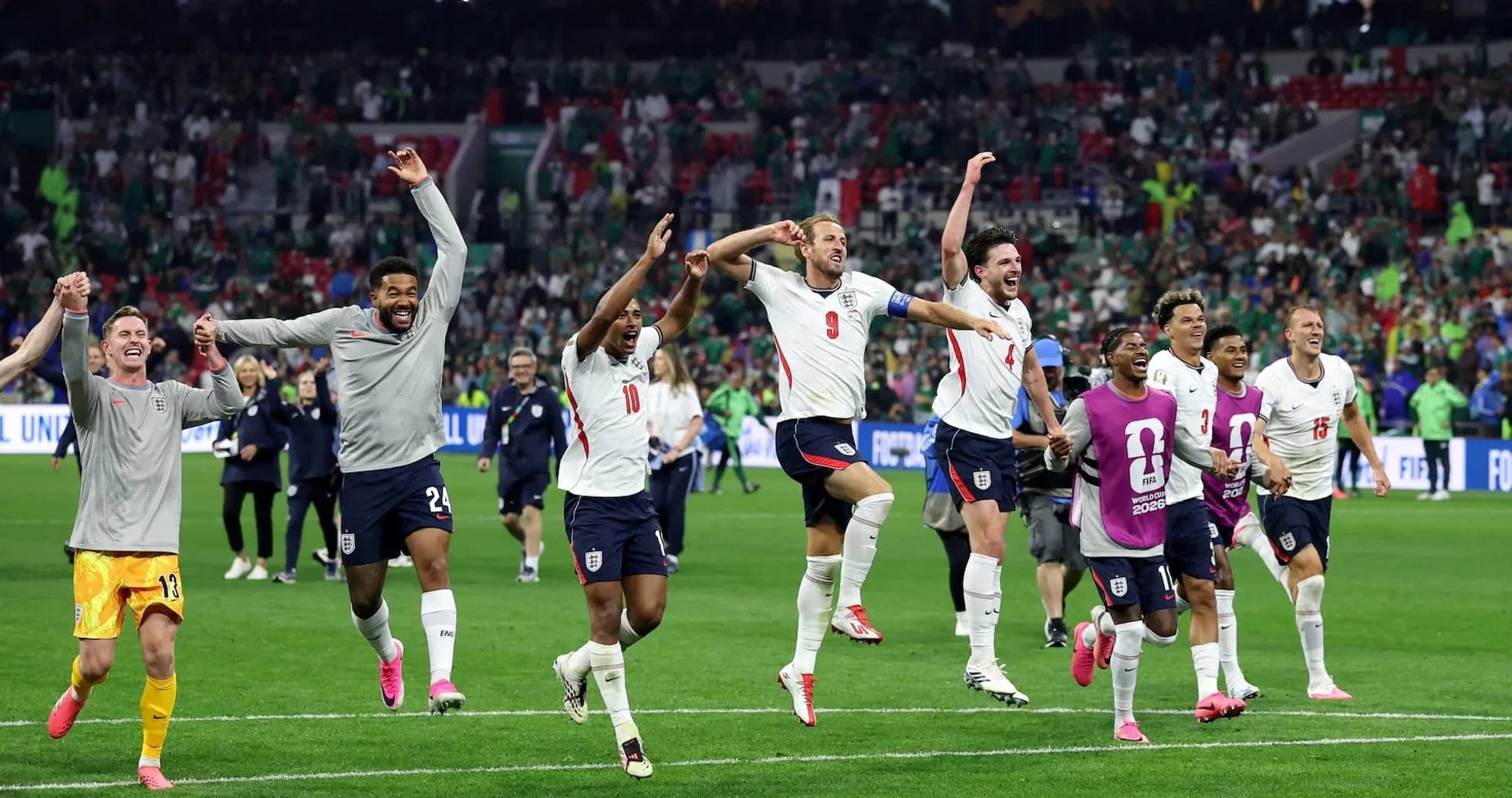
Mexico vs England: Tactical Clash at Estadio Azteca
Mexico’s Round of 16 defeat to England at Estadio Azteca was defined less by the final 2-3 scoreline and more by a stark clash of game models: Mexico’s high-possession, structure-heavy 4-3-3 against England’s compact, ruthlessly direct 4-2-3-1 that survived a second-half red card.
Javier Aguirre set Mexico up in a classic 4-3-3 with Raúl Rangel in goal, a back four of Jorge Sánchez, César Montes, Johan Vásquez and Jesús Gallardo, and a midfield trio of Gilberto Mora, Erik Lira and Luis Romo. Roberto Alvarado and Julián Quiñones flanked Raúl Jiménez up front. On paper, this shape was designed to dominate the ball and stretch England’s block horizontally, and the numbers confirm it: 67% possession, 455 passes with 420 accurate at 92%. Mexico built patiently through Lira and Romo, using Mora as the higher interior to connect with the front three.
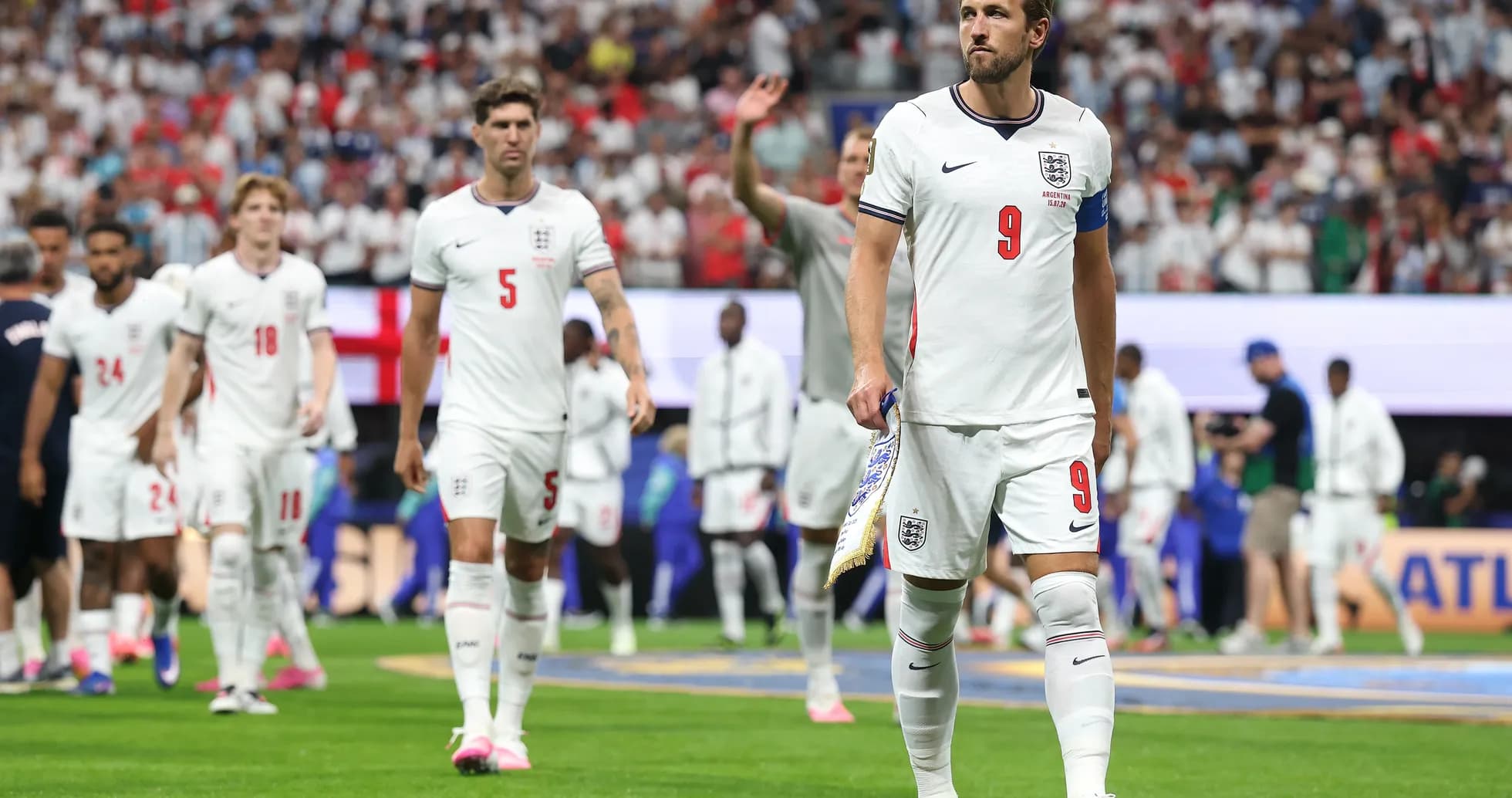
Thomas Tuchel’s England, in contrast, were unapologetically vertical in a 4-2-3-1. Jordan Pickford started in goal behind Jarell Quansah, Ezri Konsa, Marc Guéhi and Nico O’Reilly. Declan Rice and Elliot Anderson formed the double pivot, with Bukayo Saka, Jude Bellingham and Anthony Gordon supporting Harry Kane. England completed only 244 passes (195 accurate, 80%) and accepted a 33% share of the ball, but their structure was tailored to transition: Rice screening, Bellingham and Saka attacking the half-spaces, and Kane acting as a release valve.
First Half
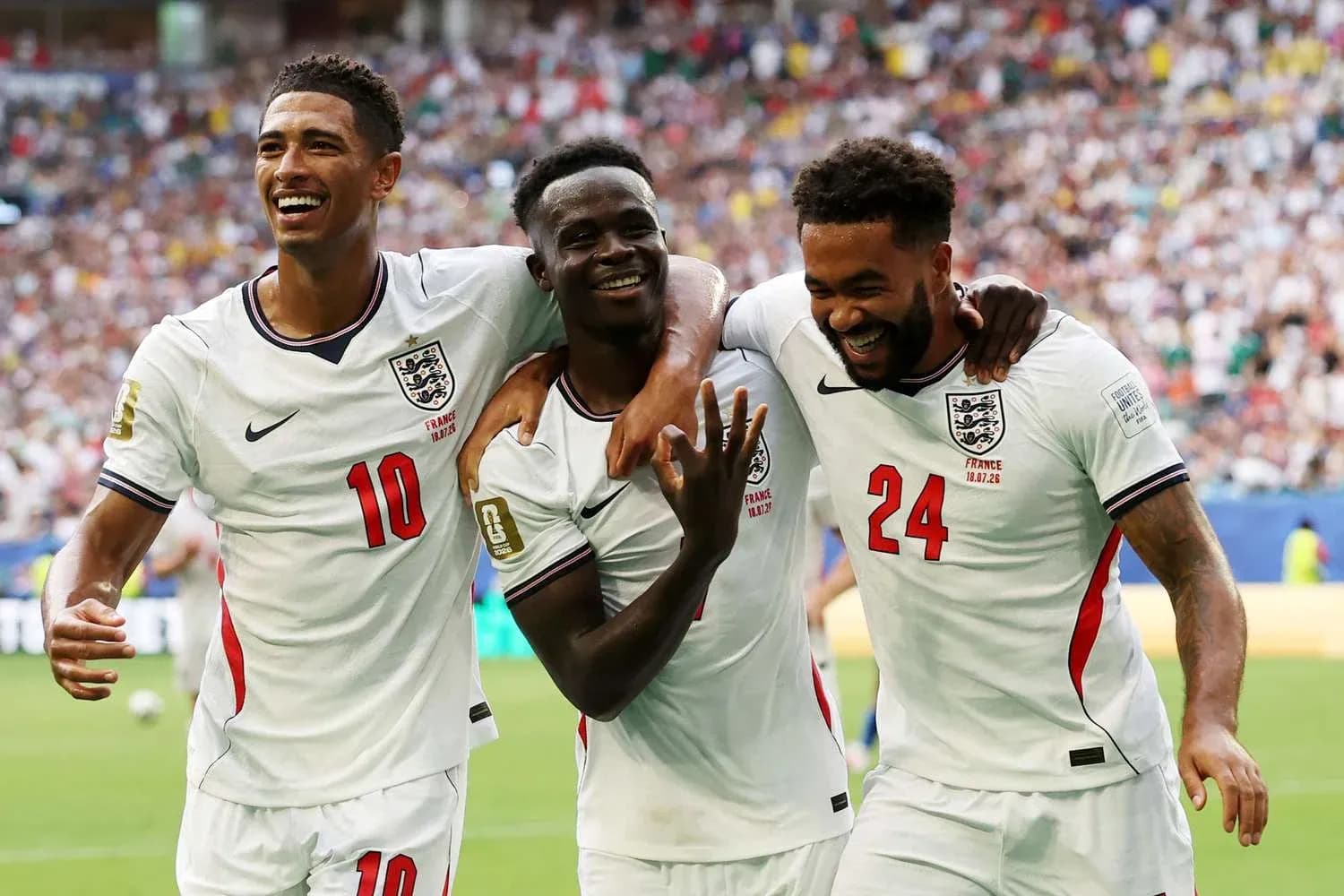
The tactical story of the first half was England’s efficiency against Mexico’s sterile dominance. Mexico’s 20 total shots to England’s 6, and 12 shots inside the box to England’s 4, suggest territorial control, but England matched them with 5 shots on goal each. England’s first two goals encapsulated their plan: quick vertical punches once they broke the initial Mexican press. With Mexico’s full-backs high and the midfield three spread, England exploited the spaces around Lira and Romo. Bellingham’s double – assisted first by Saka and then by Kane – came from precisely those transition zones, where Mexico’s rest defence was too flat and reactive.
Mexico’s response was to lean even harder into width and crossing. The 12 corner kicks to England’s 2 show how often Aguirre’s side forced the ball into the final third, but the finishing patterns were suboptimal. Seven blocked shots underline England’s compact penalty-box defending, with Konsa and Guéhi consistently in position to protect Pickford. Mexico’s xG of 1.87 against 2 actual goals indicates they more or less hit expectation, but the shot profile was volume-heavy rather than chance-quality heavy, especially before half-time.
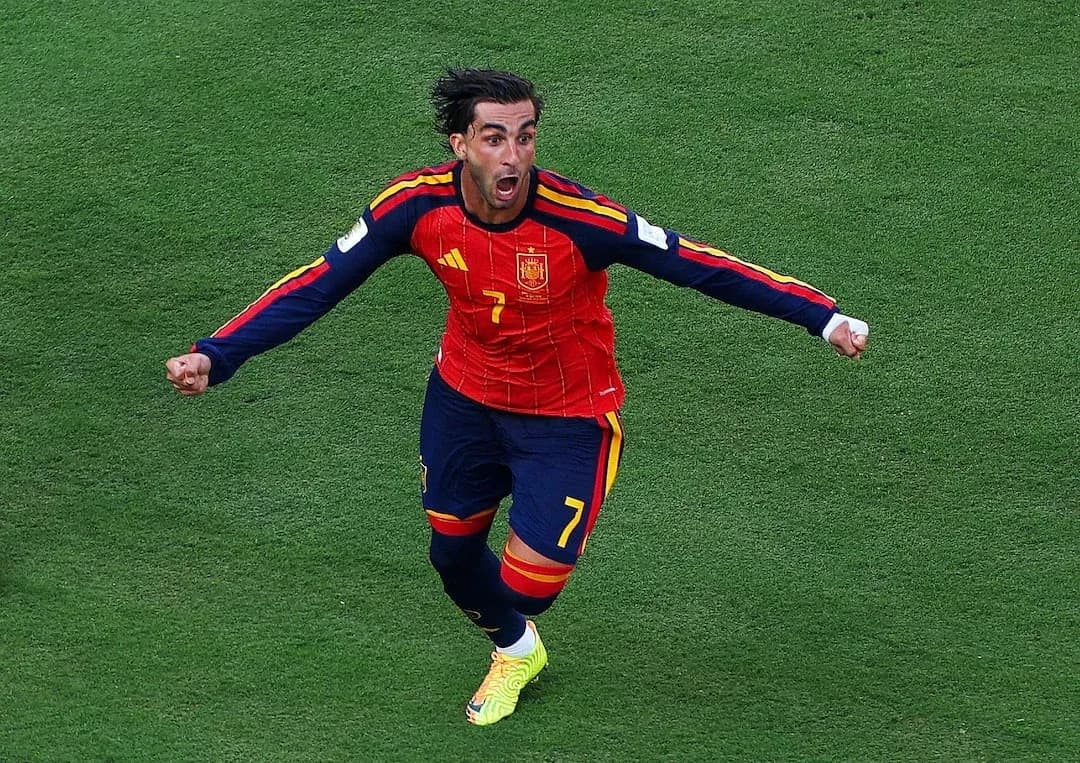
Quiñones’ goal before the break came from Mexico finally attacking the box with enough numbers and speed to destabilize England’s line, but it was the exception rather than the rule in that period. Too often, Jiménez was isolated against two centre-backs, with Alvarado and Quiñones wide rather than arriving inside as second strikers.
Second Half
The second half was reshaped by the red card to Quansah on 54 minutes for “Serious foul”. Reduced to ten men, England dropped into a deeper 4-4-1 and later 5-3-1 structure as Tuchel used substitutions to re-balance the side. John Stones (IN) came on for Saka (OUT), sliding into the back line and allowing England to protect the central corridor more aggressively. O’Reilly, already booked for “Unsportsmanlike conduct”, was later replaced by Djed Spence (IN) to provide fresh legs and an extra defender on the flank.
Remarkably, England still found a third goal via Kane’s penalty on 60 minutes. This spoke to their clarity on set-piece and transition moments: even a man down, they were ready to spring from deep, with Bellingham and Gordon driving counters and Kane drawing fouls in advanced zones. England’s xG of 1.55 for 3 goals reveals a clinical edge; they slightly overperformed their underlying chances, especially from the spot.
Aguirre reacted decisively to the game state. At 46’, Edson Álvarez (IN) replaced Montes (OUT), adding more ball progression and defensive range in the first line of buildup. On 61 minutes, he doubled down on attack: Santiago Giménez (IN) for Mora (OUT) and Brian Gutiérrez (IN) for Romo (OUT) effectively tilted Mexico into a 4-2-4/4-2-3-1 hybrid. Lira and Álvarez held the base, with Gutiérrez between the lines and a front four of Alvarado, Quiñones, Jiménez and Giménez rotating aggressively. Later, Ávaro Fidalgo (IN) for Sánchez (OUT) and Guillermo Martínez (IN) for Quiñones (OUT) turned the final phase into a siege, with Gallardo often acting as an auxiliary winger.
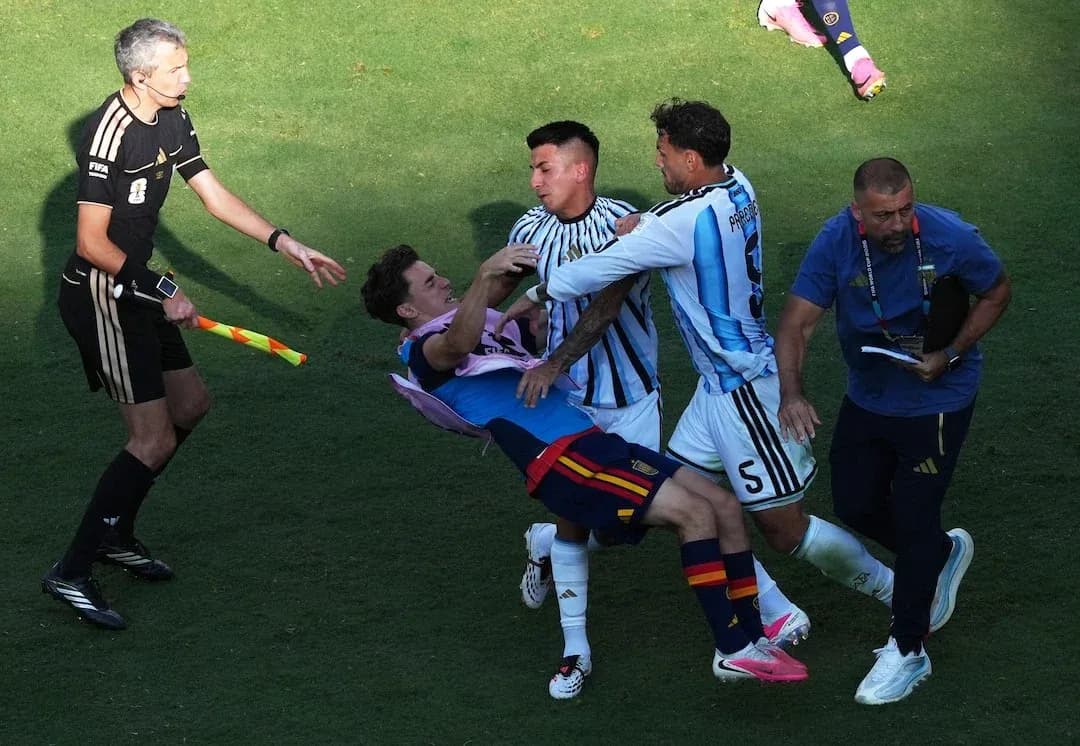
This attacking tilt explains Mexico’s territorial stranglehold and the late penalty converted by Jiménez. With England pinned deep and outnumbered, Mexico’s repeated entries into the box eventually produced contact and mistakes. However, England’s low block remained impressively narrow and disciplined. Despite 14 fouls and 2 Mexican yellow cards versus 7 fouls, 4 yellows and 1 red for England, Tuchel’s side largely conceded free-kicks in less dangerous zones and defended the box with numbers rather than reckless challenges.
In goal, Raúl Rangel (Mexico) made 2 saves, while Jordan Pickford (England) made 3. The save counts, combined with identical 5 shots on target each, highlight how much of Mexico’s attacking dominance was blunted before it reached Rangel’s opposite number. Mexico’s “goals prevented” figure of -0.15 and England’s identical -0.15 suggest both goalkeepers performed roughly in line with shot quality, with neither dramatically outperforming xG on target.
The defensive indices of the two sides diverged sharply. Mexico’s high line and aggressive full-backs produced pressure and volume but left them vulnerable to England’s first-half verticality. England, conversely, accepted a low pass count and territorial inferiority but maximized compactness, blocking 7 Mexican shots and limiting clear central finishes. Tuchel’s in-game management after the red card – adding Stones, then Spence and Dan Burn – effectively morphed England into a back five in deeper phases, choking off Mexico’s preferred central lanes and forcing more hopeful crosses.
Statistically and tactically, the match reads as Mexico’s controlled but flawed dominance against England’s brutal efficiency and adaptive defending. Mexico’s overall form in possession was strong, but their inability to convert 67% possession, 20 shots and 12 box entries into more than 1.87 xG and 2 goals ultimately allowed England’s more direct, transition-focused model to prevail in a high-stakes World Cup knockout at Estadio Azteca.