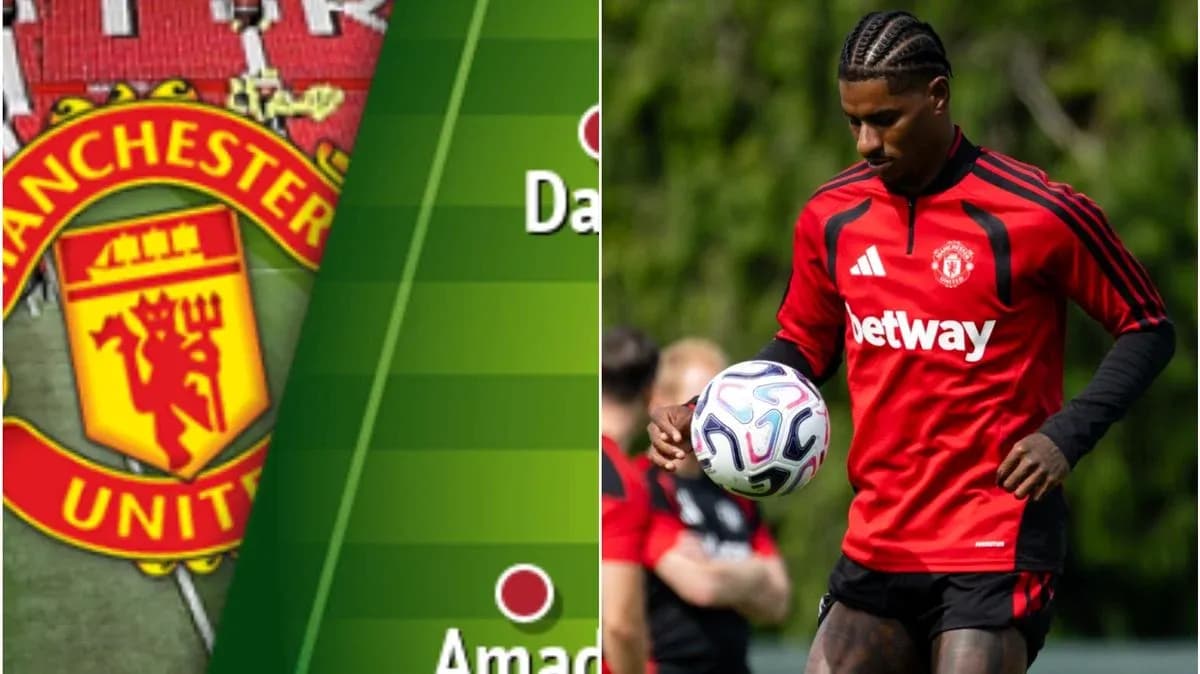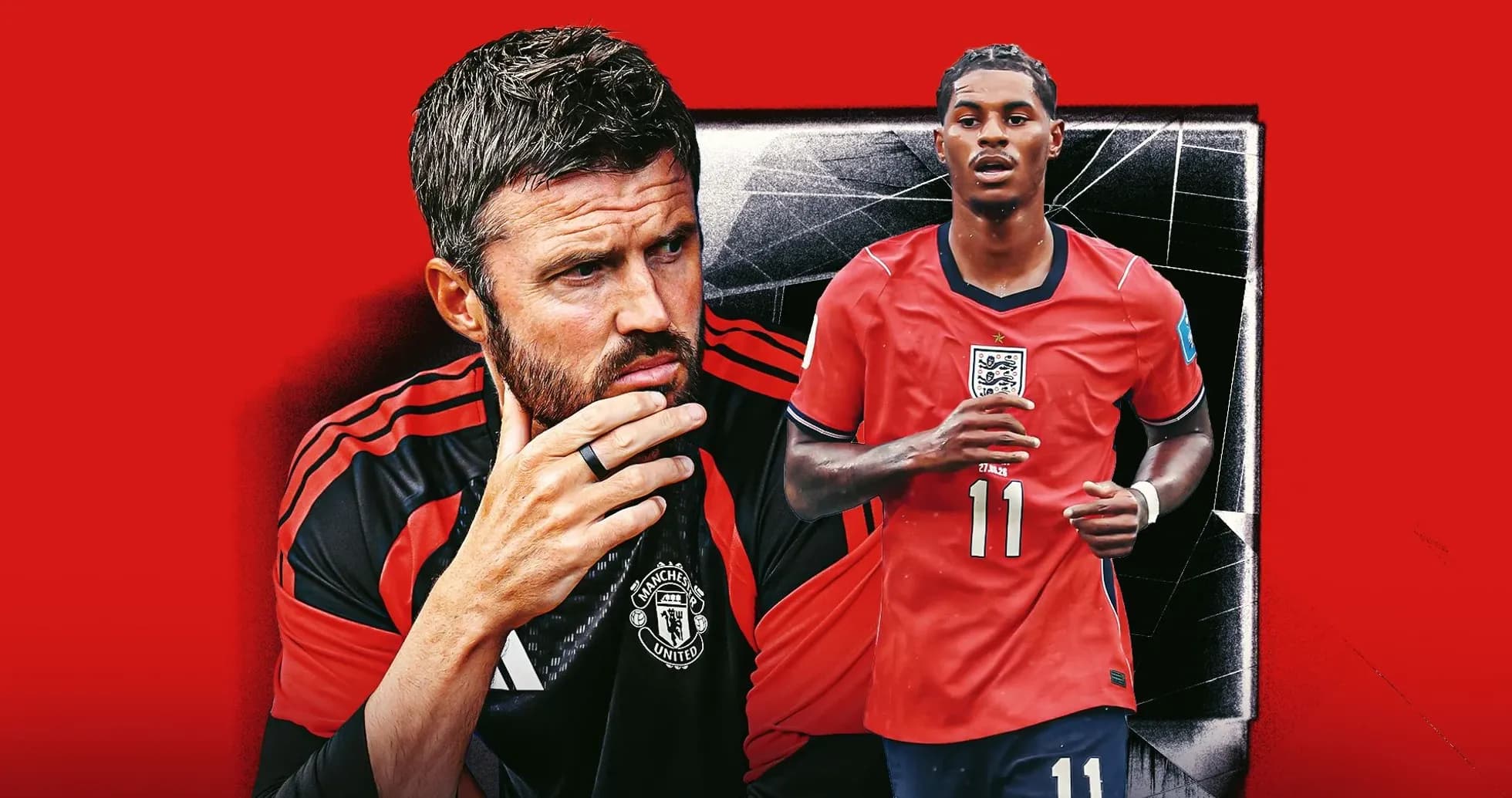
Marcus Rashford's World Cup Journey: From Star to Side Note
Marcus Rashford went to the 2026 World Cup needing a shop window. He came back with the blinds half‑drawn.
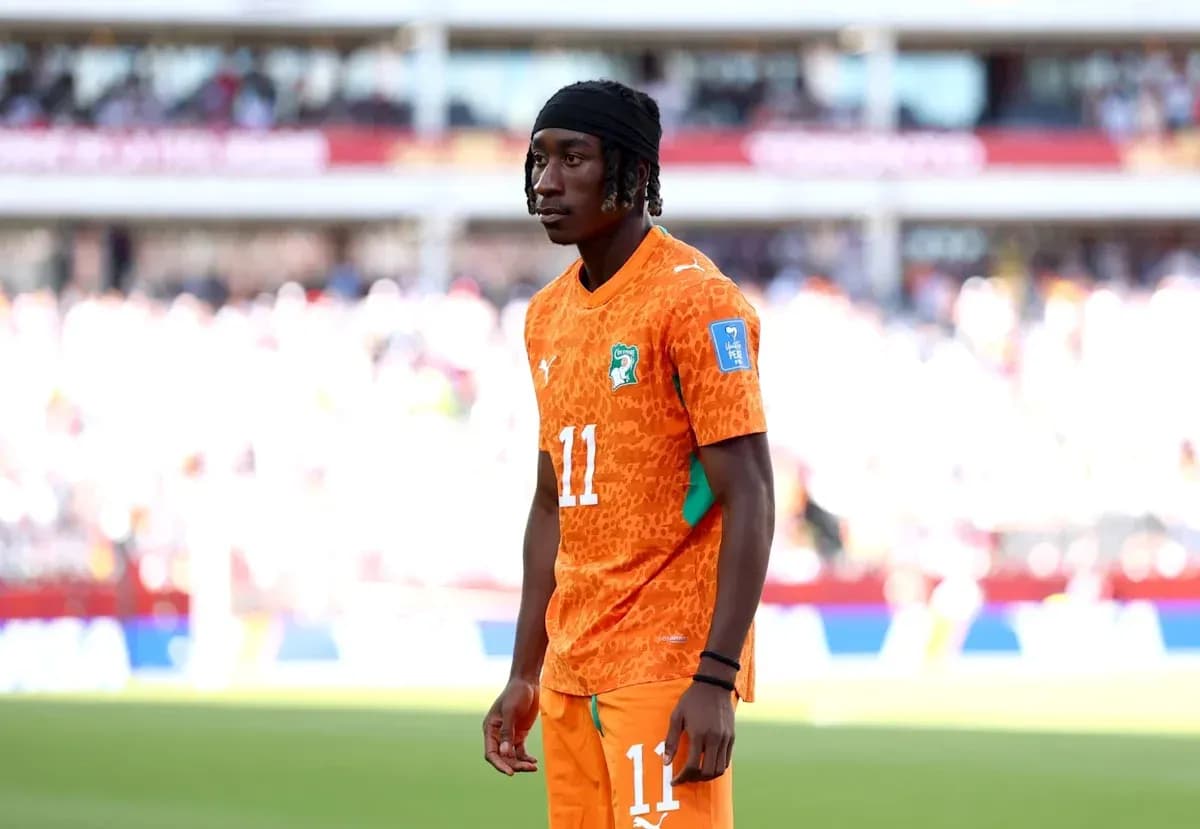
England’s campaign in North America offered him a stage, but also a rival. On the left of Thomas Tuchel’s attack, Rashford and Anthony Gordon were locked in a straight fight. Gordon started slowly. Rashford even clipped a composed finish in the opening win over Croatia, the sort of goal that usually buys time and trust.
He didn’t cash it in.
As England laboured past Panama and DR Congo with performances that never really caught fire, Tuchel’s patience ran out. Rashford was dropped, Gordon promoted, and the new Barcelona signing seized the moment. From the knockouts on, Gordon became a central attacking figure; Rashford became a footnote.
He left the World Cup with one goal, one assist, and a nagging sense of drift. The assist came in a third-place play-off against a French defence that barely bothered to turn up. Hardly the reel to send around Europe’s elite.
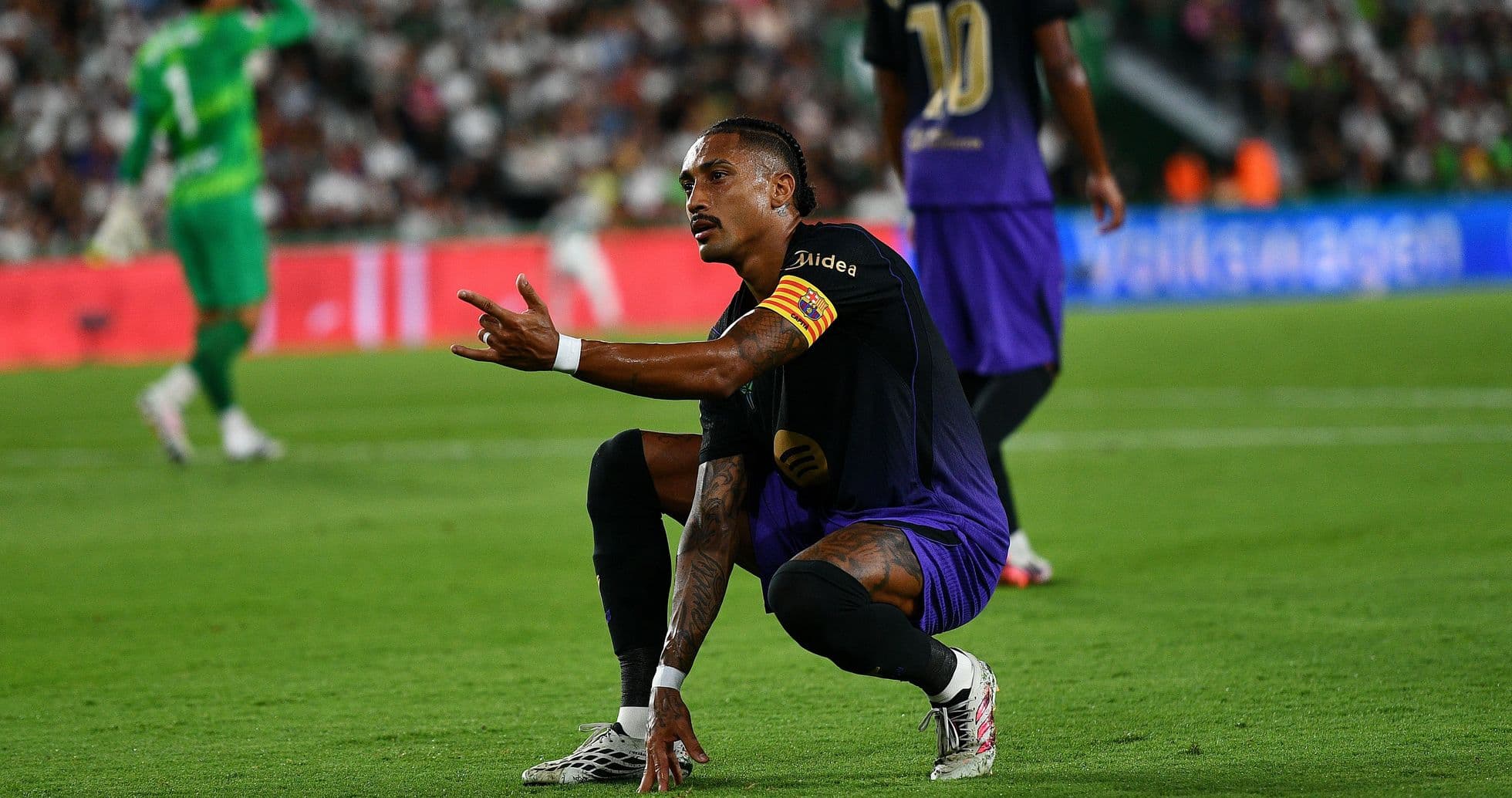
Barcelona door closes, clauses expire
The backdrop to all of this was even more unforgiving. By the time a ball was kicked at the World Cup, Barcelona had already moved on. Gordon had arrived from Newcastle for £69m, a statement deal that made Rashford’s loan spell at Camp Nou feel like yesterday’s plan.
The Catalans had an option to buy Rashford from Manchester United. They simply let it die. The clause expired on June 15, four days into the tournament, and United made it clear they weren’t about to renegotiate the fee or entertain another loan to Barça. That route was shut.
A month later, and a day after England’s semi-final defeat to Argentina, another key date passed. Rashford’s £40m release clause at Old Trafford lapsed. From that moment, any sale would need old-fashioned haggling. United’s internal valuation, around the £26m mark that matched Barcelona’s former option, is seen as the realistic asking price.
Potential escape routes were disappearing. Karim Adeyemi’s move to Borussia Dortmund removed another possible suitor. Interest arrived from Turkey – Fenerbahce and Galatasaray both tested the water – but Rashford turned them down, waiting for a Champions League club at the top end of the food chain.
That call still hasn’t come.
United’s own plan falls apart
The stalemate doesn’t just hurt the player. It exposes United’s lack of strategy on the left flank.
They had lined up Crysencio Summerville from West Ham, only to watch the Netherlands international head towards Al-Hilal and Saudi money in a deal worth around £60m. For a club trying to keep spending under control and relying on limited sales, it was a blow. The left side remains thin, and United’s summer has been anything but lavish.
Selling Rashford inside the Premier League, on paper, could have opened doors and raised funds. United have shut that one too. According to The i Paper, the club will not offload him to another English top-flight side, even though Tottenham were prepared to trigger the now-defunct £40m clause.
The logic is emotional as much as financial. United do not want to be “humiliated” by an academy graduate rediscovering his scoring touch for a domestic rival. Internally, that scenario is described as a “PR disaster”. Arsenal and Xabi Alonso’s Chelsea have monitored the situation, but Chelsea’s £117m splurge on Morgan Rogers from Aston Villa underlines how unlikely it is that either club will move decisively now.
The wage wall
Strip away the noise and one number towers over everything: £325,000 per week.
That is Rashford’s wage at Old Trafford, one of the highest at the club, and it is choking the market. No realistic suitor is prepared to match it. Some offers on the table have been even higher – almost certainly from less glamorous destinations – and he has turned those down as well. If he had simply chased the biggest paycheque, he would have moved already.
United, for their part, are desperate to lighten the load. Sir Jim Ratcliffe and INEOS are cutting costs, and Rashford’s deal is an obvious target. The remaining two years are projected at around £39m in basic salary alone, excluding bonuses. For a player who is no longer a guaranteed starter and is approaching 29, that figure is hard to justify.
Ruben Amorim, the previous head coach, pushed for Rashford’s exit in January 2025, and the board backed him. The decision was financial as much as tactical. The stance at ownership level has not softened: they want his salary off the books.
Yet the market has answered back. Nobody will pay the wage. Nobody will match the fee. United are stuck.
Carrick opens the door
There is, though, a new voice in the room.
Michael Carrick is understood to be more open to reintegrating Rashford than his predecessor. After a post-World Cup break, Rashford is expected to join the squad in Dublin for the remainder of pre-season. Those close to him say he holds no resentment towards the club despite being shunted into the so-called “bomb squad” under Amorim.
Champions League football returns to Old Trafford this season, adding extra strain on the squad. Carrick, speaking back in April, made it clear he would work with whoever stayed.
“There’s decisions to be made in time on certain things, and obviously Marcus is in that situation,” he said. “But at this point in time, nothing’s been decided. From my perspective, whoever’s here, I want to work with, make the best out of and help them improve.”
Transfer specialist Fabrizio Romano has echoed that sentiment from both sides, stating that Rashford is “really looking forward” to working with Carrick and that the manager is “genuinely excited” about the chance to revive the forward’s United career. Player and club, Romano says, are prepared to give each other another chance before deciding whether to separate later in the window.
The need for bodies on the left, especially after missing out on Summerville, only strengthens that case.
Can you really go back?
There is, however, an old warning in football: never go back.
Rashford’s relationship with parts of the fanbase had deteriorated badly before his loan to Barcelona. He became a lightning rod for anger – criticised for his body language, his work-rate, his perceived attitude. Within a struggling team, he was an easy target, and Amorim’s handling of him only intensified the spotlight.
Any return will be fragile. He will need visible fight and early end product to change the mood. If he starts slowly, or if United stumble out of the blocks, the atmosphere could sour quickly. The margin for error is thin.
A wage cut might ease tensions and make a long-term stay more palatable, yet those close to the situation consider that unlikely. The more realistic scenario, as outlined by The i Paper, is that Rashford is given the opportunity to resurrect his United career simply because the alternatives are so poor – for both club and player.
The loan trap
For all the talk of a fresh start, the most pragmatic outcome might still be another loan.
United have been here before. A Barcelona-style arrangement, where the receiving club covers the bulk of his salary and negotiates a temporary pay reduction with the player, would ease the strain. Last time, the Blaugrana managed to make the numbers work; repeating that trick elsewhere will not be easy with £325,000 per week on the contract.
A full salary cover is a long shot. A 40/60 split, with United still paying a significant chunk, feels more realistic. That, of course, undercuts the very cost-cutting Ratcliffe wants, which is why the stalemate drags on.
There is also timing. Rashford is being selective. Any serious suitor knows United’s leverage weakens with every passing week. If they wait until late August, when United may already have spent on another winger, they can push for better terms, a lower loan fee, a softer wage contribution.
So the saga rolls on.
United have built a problem they cannot easily solve: a high-earning academy star whose market has shrunk, whose form has dipped, but whose talent still flickers brightly enough to make cutting him loose feel risky. Rashford, in turn, refuses to chase the biggest cheque at the expense of his ambitions.
Something has to give. The question now is whether the next chapter of his career is written under the Old Trafford lights, or somewhere else entirely, with United watching on and wondering how they ever let it come to this.