Mancini Returns as Italy Coach: A New Era Begins
Roberto Mancini is Italy coach again. Not an interim, not a caretaker. The man who delivered Wembley glory is back in charge of the Azzurri, handed the job for a second time as the Italian Football Federation tears up its recent plans and returns to what it knows.
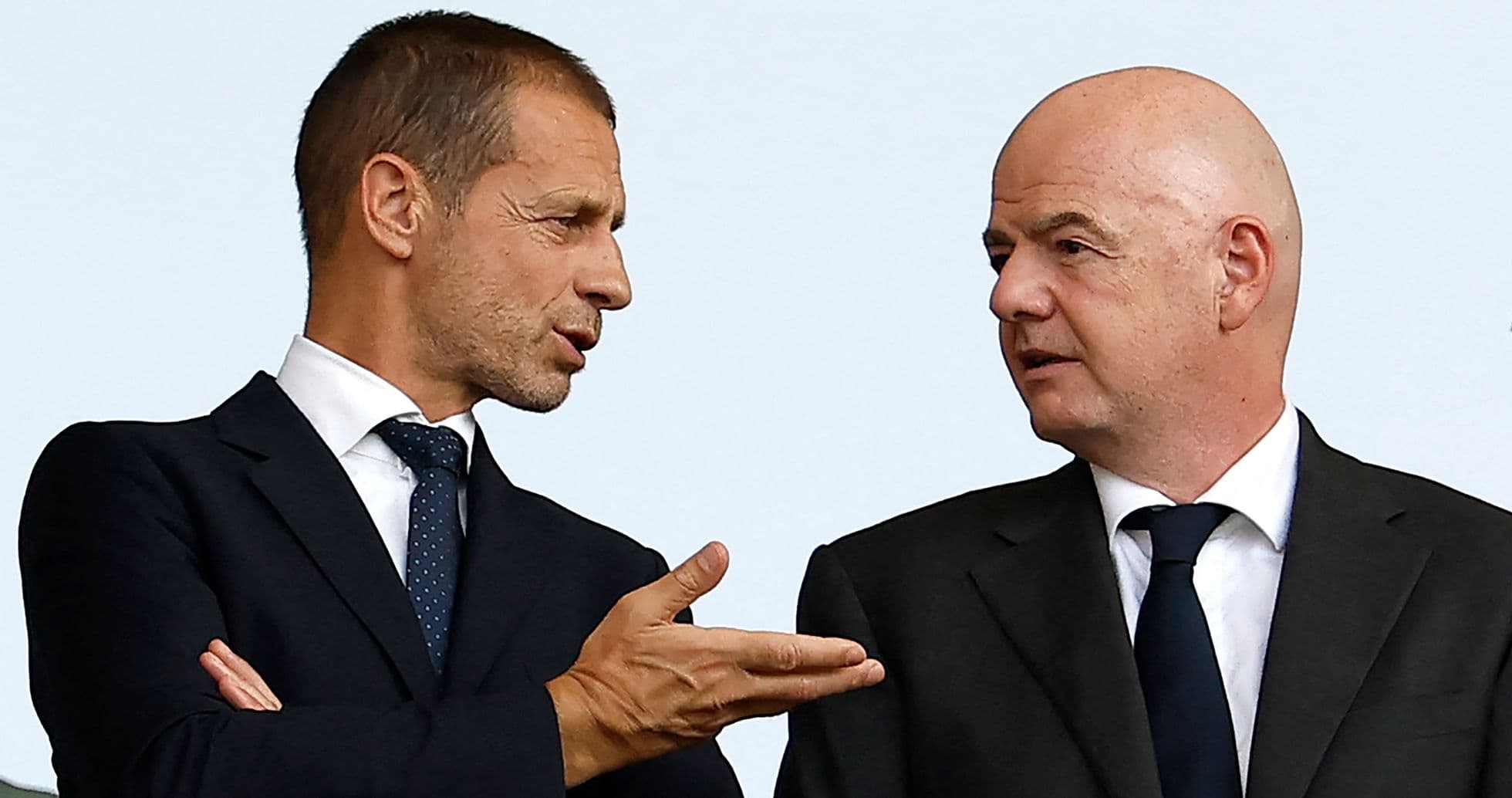
FIGC president Giovanni Malagò confirmed the move on Tuesday, also revealing that Claudio Ranieri will come in as technical director, forming one of the most experienced double acts Italian football can offer.
“Mancini is the coach,” Malagò said, stripping away any doubt. “I believed that the best person to become head coach was Roberto Mancini.”
From Wembley Highs to World Cup Lows
Mancini’s return comes barely a year after his first spell ended in a swirl of frustration and regret. Between 2018 and 2023, he rebuilt a broken national team, then took it to the summit of Europe. His Italy played with courage, pressed high, passed with confidence. The reward came on a tense July night in 2021, when they beat England on penalties at Wembley to lift the European Championship.
That triumph felt like a rebirth for the Azzurri. It was supposed to reset the standard.
Instead, the aftershock was brutal. Italy failed to qualify for the 2022 World Cup, another bitter blow for a country already scarred by missing the 2018 tournament. The momentum stalled again at the start of Euro 2024 qualifying, with results and performances drifting away from the intensity that had defined Mancini’s early reign.
He left with 58 matches in charge and a record that mixed glittering peaks with painful troughs. Now he walks back into the same office, facing the same anthem, but with the stakes even higher.
Gattuso Out, Ranieri In
Mancini replaces Gennaro Gattuso, who stepped down in April after Italy’s latest World Cup failure — a third straight absence from football’s biggest stage. For a four-time world champion, that is more than a blemish; it is a crisis.
To steady the structure around the coach, the FIGC have turned to Ranieri as technical director. The 72-year-old has seen almost everything the game can throw at a manager, from his time at clubs such as Chelsea, Roma and Leicester City, where he authored one of football’s great title shocks. His role now will be to give shape and strategy to a national setup that has lurched from one plan to the next.
Between them, Mancini and Ranieri bring decades of dugout experience. At club level, Mancini has led Inter, Fiorentina and Manchester City, where he spent three years and delivered the club’s first Premier League title in 2011–12, that dramatic Sergio Agüero season which still defines City’s modern rise.
Italy are banking on that know-how translating into stability and, finally, a route back to the World Cup.
Turmoil Behind the Scenes
The coaching reshuffle comes against a backdrop of upheaval at the federation. Former technical director Paolo Maldini and his adviser Leonardo resigned on Monday, a dramatic double exit that underlined the power struggle inside the FIGC.
Their departure followed the collapse of Andrea Pirlo’s proposed appointment as head coach. Pirlo, a national icon on the pitch, saw his candidacy blocked because of his ties to a Russian betting firm, a link the federation judged incompatible with the role. The fallout left a vacuum at the top of the sporting structure and exposed deep fault lines in decision-making.
The FIGC had already aimed high. Pep Guardiola was the first choice to lead Italy but turned down the job last month, closing the door on a bold, if optimistic, pursuit.
With Guardiola out, Pirlo blocked and Maldini gone, the federation circled back to the man who already knows the corridors of Coverciano and the weight of the blue shirt.
A Second Act Under Fierce Scrutiny
Mancini does not return as a saviour from the outside. He comes back as the architect of both Italy’s most recent triumph and its most painful modern failures. That duality will define his second spell.
He inherits a side that has forgotten the habit of qualifying for World Cups, a federation riven by resignations and rejected candidates, and a fanbase that has lived off the memory of Wembley for too long. The margin for error is thin.
Yet there is also a strange logic to this appointment. When Italy last needed rebuilding, they turned to Mancini and he gave them identity, belief and a trophy. Now, after another collapse, they are asking him to do it again — this time with Ranieri at his shoulder and the scars of the past few years still fresh.
The question is simple, and unforgiving: can the man who once restored Italy’s pride now rescue its future on the world stage?