Manchester United vs Nottingham Forest: Premier League Showdown
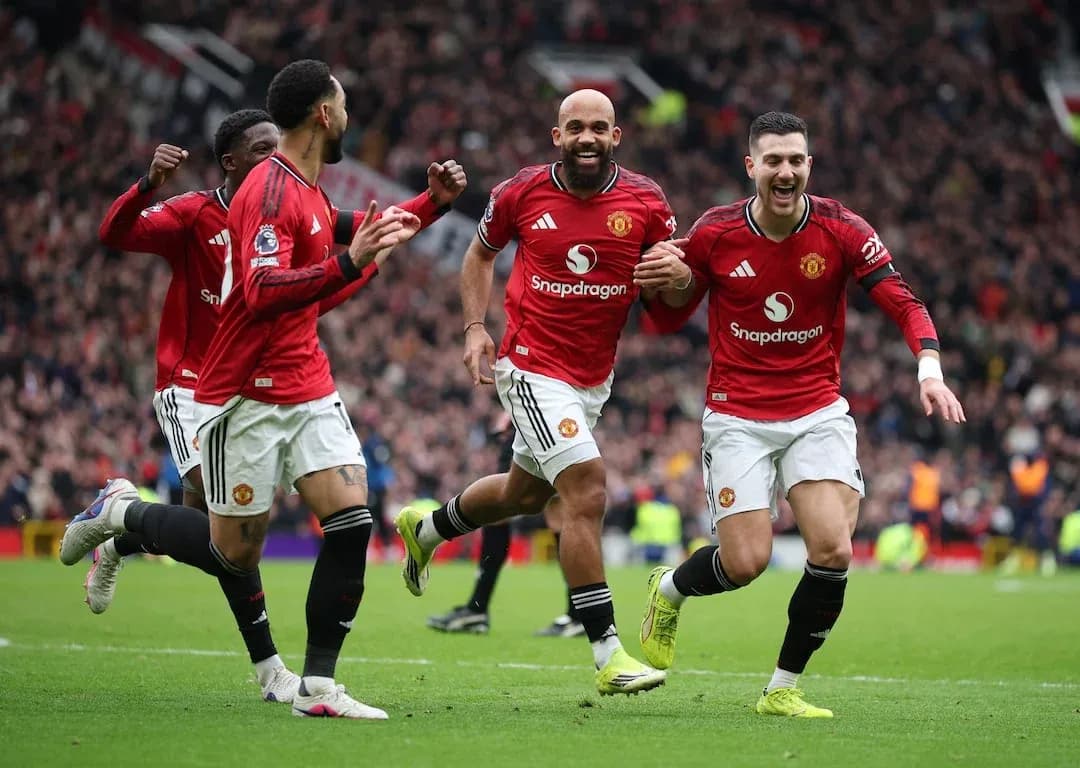
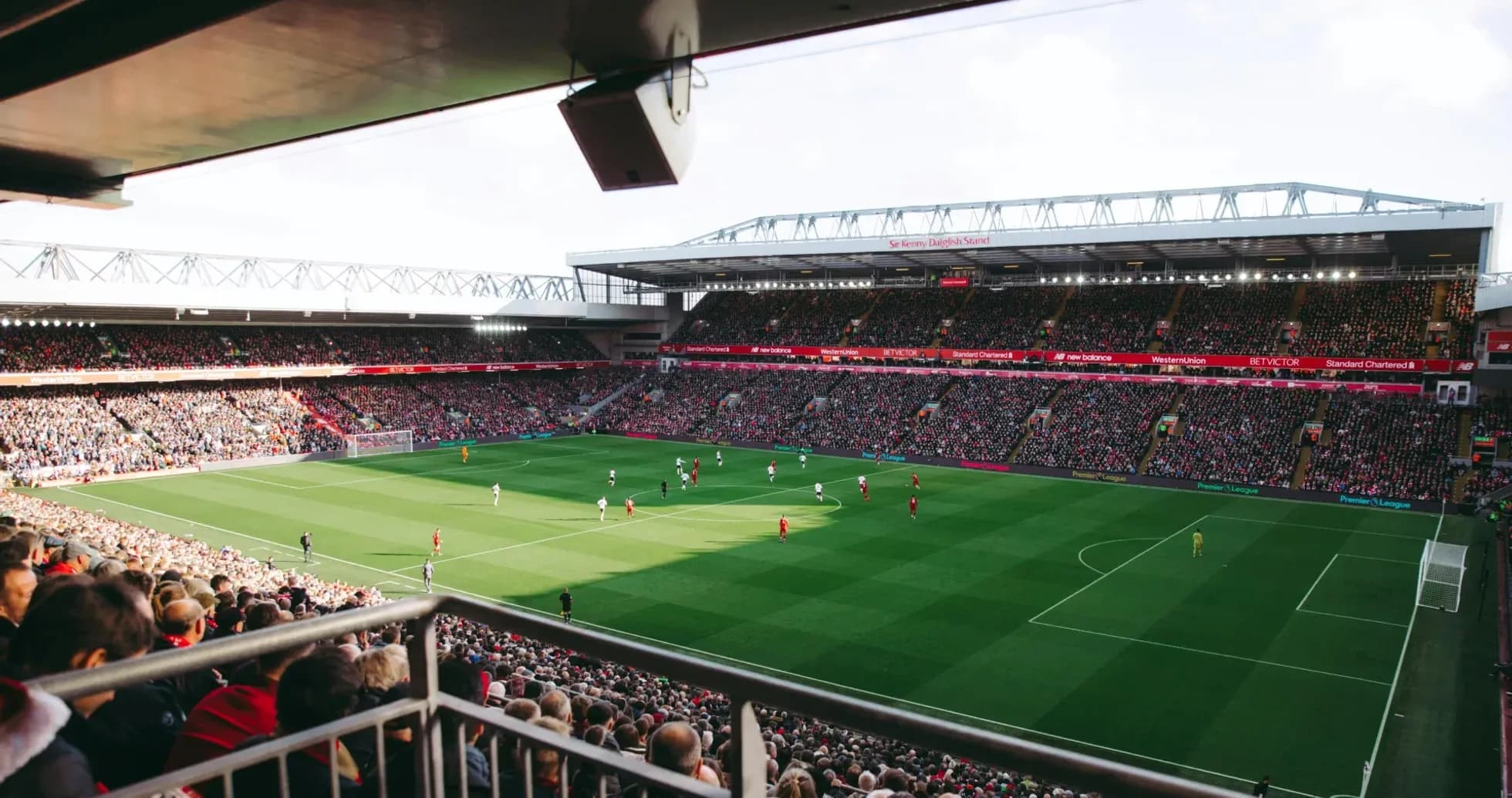
Old Trafford hosts a high‑stakes meeting on 17 May 2026 as Manchester United welcome Nottingham Forest in the Premier League’s penultimate round. With United sitting 3rd on 65 points and chasing a Champions League league‑phase berth, and Forest in 16th on 43 points still needing to rubber‑stamp safety, there is plenty riding on this Regular Season – 37 clash.
Stakes and context
In the league, Manchester United have put together a strong campaign. They are 3rd with a goal difference of +15 (63 scored, 48 conceded) from 36 games, and their recent form line of DWWWL underlines a largely upward trajectory. At Old Trafford they have been particularly reliable: 12 wins, 3 draws and only 3 defeats from 18 home matches, scoring 36 and conceding 22.
Forest arrive in a very different part of the table but in quietly impressive form. They are 16th, on 43 points with a goal difference of -2 (45 for, 47 against), and their recent run of DWWWD hints at a side finishing the season with purpose. Interestingly, they have been more productive on the road than at home: 7 away wins from 18, with 26 goals scored and 25 conceded, compared to just 4 wins at the City Ground.
For United, three points would all but lock in a top‑four finish and maintain momentum into the final weekend. For Forest, even a draw at Old Trafford would be a major step towards ensuring another year in the top flight, especially given their strong away profile.
Tactical overview: United
Across all phases this season, Manchester United’s statistical profile is that of a proactive, front‑foot side. They average 1.8 goals per game overall (2.0 at home) and concede 1.3 (1.2 at home). Only four times in 36 league games have they failed to score, and they have kept 7 clean sheets, which suggests a team more tilted towards outscoring opponents than shutting them down completely.
The lineups data is revealing: United have split their season evenly between a 3‑4‑2‑1 and a 4‑2‑3‑1, each used 18 times. That tactical flexibility allows them to match up against Forest’s various shapes, but also hints at in‑game adaptability. In a back three, wing‑backs push high to pin the opposition full‑backs and create overloads in wide areas; in a 4‑2‑3‑1, the double pivot provides the platform for aggressive pressing and quick vertical attacks.
Casemiro has been central to that structure. With 33 appearances, 32 starts and 2,512 minutes, plus 9 league goals and 2 assists, he is not just a destroyer. His 1,547 passes at 81% accuracy and 34 key passes make him the deep hub of United’s build‑up, while 88 tackles, 27 blocks and 30 interceptions underline his defensive importance in controlling transitions. His presence in front of the back line is crucial against a Forest side that like to spring forward quickly when chances arise.
Up front, Benjamin Šeško has emerged as a primary goal threat. Despite only 17 starts, he has 11 league goals in 1,636 minutes, with 51 shots and 34 on target – an impressive accuracy rate that makes him a constant danger in and around the box. His aerial presence and willingness to run in behind suit both of United’s main systems: as the lone striker in a 4‑2‑3‑1 or the spearhead of a 3‑4‑2‑1.
Bryan Mbeumo adds another dimension. With 9 goals and 3 assists, plus 54 shots (30 on target) and 46 key passes, he is both finisher and creator. His ability to drift into half‑spaces, carry the ball (51 dribble attempts, 16 successful) and draw fouls (28) should test a Forest defence that has occasionally struggled with mobile forwards between the lines.
United are also ruthless from the spot this season, scoring all 4 of their penalties in the league. That composure could be significant in a match where Forest’s aggressive defending – reflected in their card distribution – may invite risky challenges in the area.
Tactical overview: Forest
Across all phases, Nottingham Forest’s season has been more volatile. They average 1.3 goals scored and 1.3 conceded per game, with a notable split between home and away: 1.4 scored and 1.4 conceded on their travels. They have recorded 9 clean sheets but have failed to score in 14 matches, underlining a feast‑or‑famine attacking pattern.
Tactically, Forest have leaned heavily on a 4‑2‑3‑1 (29 uses), but they have also experimented with 5‑3‑2, 4‑4‑2, 3‑4‑3, 4‑5‑1 and 3‑4‑2‑1. That variety suggests a willingness to adjust to opponents, and at Old Trafford they are likely to adopt a compact 4‑2‑3‑1 or a more conservative back‑five structure, looking to limit space between the lines and break quickly.
The key figure is Morgan Gibbs‑White. Forest’s top scorer in the league with 13 goals and 4 assists from 35 appearances, he has been their main attacking reference. His 54 shots (28 on target) and 46 key passes show a player who both finishes and creates, while 1,139 total passes at 81% accuracy and 25 successful dribbles indicate he is comfortable receiving under pressure and progressing play. If Forest are to threaten United, Gibbs‑White’s positioning between Casemiro and the centre‑backs will be decisive.
Forest’s biggest away win of the season, 0-5, underlines their capacity to explode in transition when the game script suits them. They have also kept 5 away clean sheets, indicating that when their structure is right, they can be difficult to break down.
Discipline will be important. Forest’s yellow card distribution peaks between 46-60 minutes and 61-75 minutes, a phase when United often increase tempo. Any lapses could be punished, especially with United’s penalty record and set‑piece threat.
Injuries and selection issues
United are definitely without M. de Ligt due to a back injury, removing a key option in central defence. B. Šeško (leg injury) and M. Ugarte (back injury) are both listed as questionable. If Šeško is not fit to start, United lose their most prolific out‑and‑out striker; that would likely push more responsibility onto Mbeumo and midfield runners like Casemiro to provide goals.
Forest’s absentee list is longer. W. Boly, C. Hudson‑Odoi, John Victor and N. Savona are all ruled out, stripping depth from defence and wide areas. A cluster of important players is questionable: Z. Abbott (concussion), O. Aina (injury), M. Gibbs‑White (head injury), Murillo (muscle injury) and I. Sangare (injury). Gibbs‑White’s status is particularly pivotal; without his 13 goals and creative output, Forest’s attacking ceiling drops significantly. Murillo’s availability also matters for their ability to defend United’s movement and aerial threat.
Head‑to‑head: recent competitive meetings
The last five competitive meetings between these sides (excluding friendlies) show Forest have been awkward opponents recently:
- 1 November 2025, Premier League at the City Ground: Nottingham Forest 2-2 Manchester United – draw.
- 1 April 2025, Premier League at the City Ground: Nottingham Forest 1-0 Manchester United – Forest win.
- 7 December 2024, Premier League at Old Trafford: Manchester United 2-3 Nottingham Forest – Forest win.
- 28 February 2024, FA Cup 5th Round at the City Ground: Nottingham Forest 0-1 Manchester United – United win.
- 30 December 2023, Premier League at the City Ground: Nottingham Forest 2-1 Manchester United – Forest win.
Over these five games, Forest have 3 wins, United have 1, and there has been 1 draw. Notably, Forest have already won once at Old Trafford in this sequence, and league meetings between the sides have often been high‑scoring.
The verdict
Data from this season points to Manchester United as clear favourites at Old Trafford. They have a strong home record, score freely (2.0 goals per home game), and possess multiple attacking threats in Šeško, Mbeumo and Casemiro. Their tactical flexibility between 3‑4‑2‑1 and 4‑2‑3‑1 should allow them to adapt to whatever structure Forest choose.
However, Forest’s away profile and the recent head‑to‑head record warn against complacency. They have already won at Old Trafford in recent seasons and have 7 away league wins this campaign. If Gibbs‑White is fit, Forest have the quality to exploit any defensive gaps, particularly in transition.
In balance, United’s superior form, home strength and higher overall quality make them more likely to take the points, especially with Champions League football on the line. But Forest’s resilience, recent unbeaten run and history of troubling United suggest this could be a competitive, attacking encounter rather than a straightforward home procession.