Manchester United’s Midfield Rebuild Faces Price Challenges
Manchester United have money to spend and a midfield to fix, but the market is answering back with a familiar word: no.
INEOS are prepared to bankroll a significant reshaping of the engine room at Old Trafford, yet even that financial muscle is running into the hard edge of Premier League valuations. Targets are identified, conversations are happening, but the numbers are brutal.
Anderson: The £100m Derby
At the top of United’s wishlist sits Elliot Anderson of Nottingham Forest, a player the club view as a long-term pillar in midfield. Forest, fully aware of the demand and their own need to protect assets, have placed a price of around £100 million on the England international.
United’s hierarchy believe they are in the fight. According to The Guardian, there is genuine optimism within the club that they can tempt Anderson to the red half of Manchester and hold off interest from Manchester City.
For now, though, the balance tilts across town. City are regarded as favourites to land the 23-year-old, and United know exactly what that means: they are not just bidding for a player, they are bidding against a machine that has made a habit of winning these battles.
The budget is there. The will is there. But prising a prime asset from a Premier League rival at that price, while outmanoeuvring City, is a test of United’s new structure as much as their spending power.
Baleba: A Long Courtship Stalls
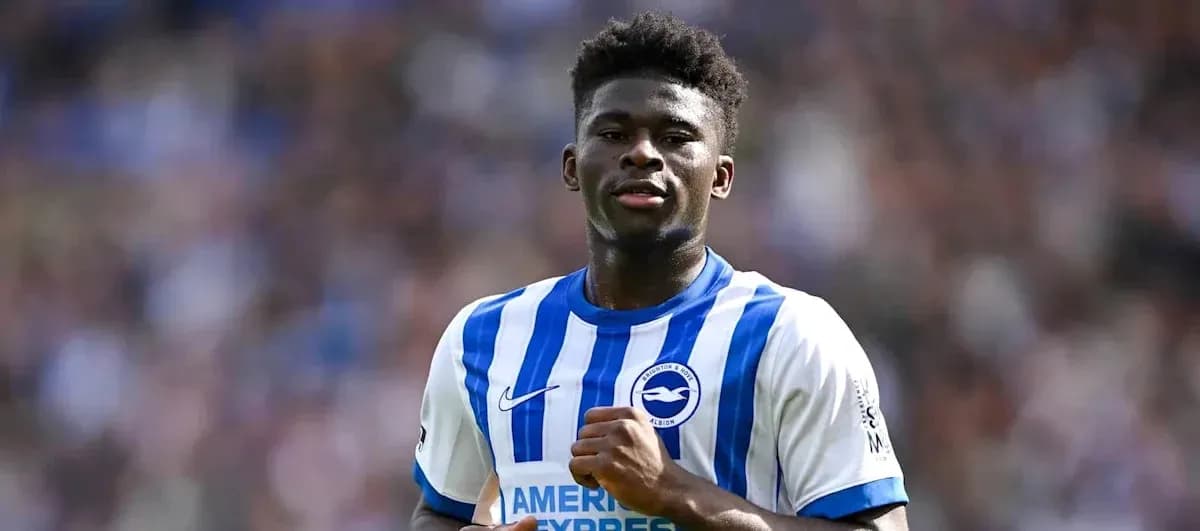
If Anderson is the dream for this summer, Carlos Baleba has been the long-running obsession.
United pushed hard for the Brighton & Hove Albion midfielder last year. The Cameroonian, a powerful box-to-box presence with serious athleticism, was seen as an ideal fit. Personal terms were understood to be agreed in August, only for the move to collapse against a £100m valuation that United simply would not meet.
The story did not end there. In April, Italian journalist Fabrizio Romano reported that a verbal agreement between Baleba and United, aimed at summer 2025, remained in place. That seemed to set the stage for a smoother pursuit this time around, especially after an underwhelming season on the south coast appeared to weaken Brighton’s hand.
It hasn’t. Brighton are standing firm.
The Seagulls have refused to soften their stance or offer any meaningful discount for the 22-year-old, despite his mixed campaign. United’s interest is still there, The Guardian reports, but Brighton are confident Baleba will stay put. Once again, negotiations have drifted into stalemate.
For United, it is a frustrating echo of last summer: a player they like, a framework with the player already in place, and a selling club utterly unmoved by pressure.
Fernandes: The Waiting Game at West Ham
With Baleba locked behind Brighton’s valuation and Anderson caught in a tug-of-war with City, United have turned their gaze to another rising midfielder: Mateus Fernandes of West Ham.
Director of football Jason Wilcox is tracking the young Portuguese as an alternative route to strengthening the core of the side. Fernandes fits the profile United want—youth, upside, energy—but again, the numbers are heavy.
West Ham are believed to want around £80m. United, under INEOS, are not prepared to simply sign off on that figure. The new regime has been clear: they will spend, but not at any price.
This is where timing might become United’s biggest ally. Relegation has pushed West Ham into a difficult financial corner. They need sales. They need cash. United know it.
So the strategy shifts. Rather than charging headlong into another inflated negotiation, United may choose to sit tight, let the pressure build on West Ham, and see how far that £80m demand can be dragged down as the window wears on.
Big Ambitions, Hard Market
United’s midfield rebuild is not stalling for lack of intent. The targets are ambitious, the budget is significant, and the club’s recruitment team is active across the Premier League.
But this is the new reality for a giant trying to climb back to the top: every negotiation is a test of patience, power, and restraint. Forest, Brighton, West Ham—each club knows exactly what United need and exactly what their own players are worth in this climate.
The money is on the table. The question now is whether United can turn that into the kind of midfield that changes a season, or whether another summer will end with too many “almosts” and not enough signatures.