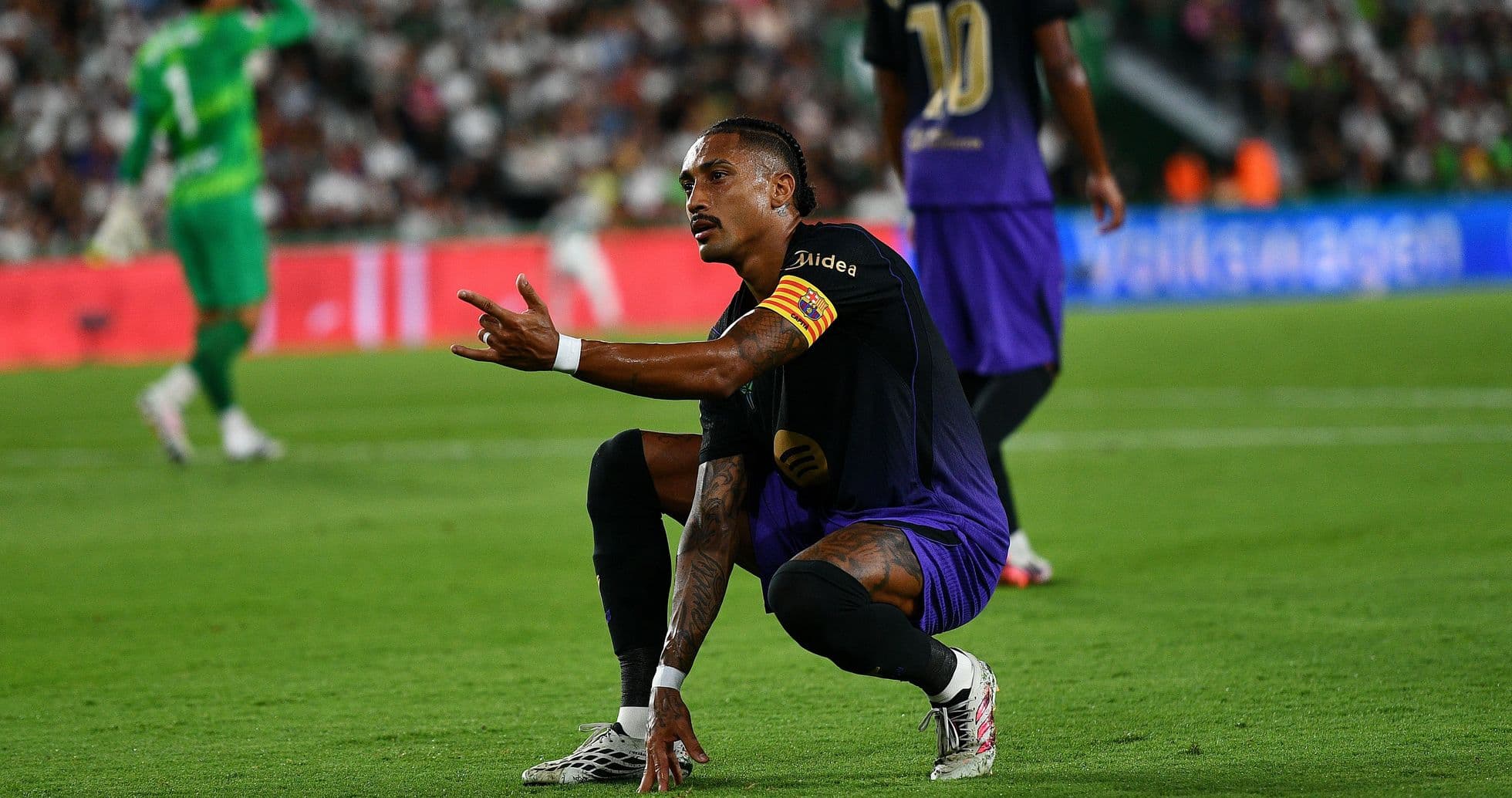
Lucas Herrington's Penalty Heartbreak in World Cup Knockout
Lucas Herrington did not deserve this. Not as a headline, not as a symbol, not as the face of a night that will sit in Australian football’s stomach for years.
Eighteen years old. The youngest starter the Socceroos have ever thrown into a World Cup match. A kid asked to live out a dream, now shackled to one of the game’s cruellest endings.
His penalty, a careful side-foot, climbed when it needed to stay true. It smacked the crossbar and flew away, and with it went Australia’s best chance in a generation to finally win a World Cup knockout tie. As the ball cannoned out, Awer Mabil sprinted straight to him, instinctively, the kind of gesture you make when you know this scar will never quite fade.
Moments later, when Egypt finished the job from the spot, Herrington turned his back on the bar that had betrayed him. One arm went up to his mop of curls. He bent at the waist, folding in on himself, trying to hide what everyone in the stadium already knew he was feeling.
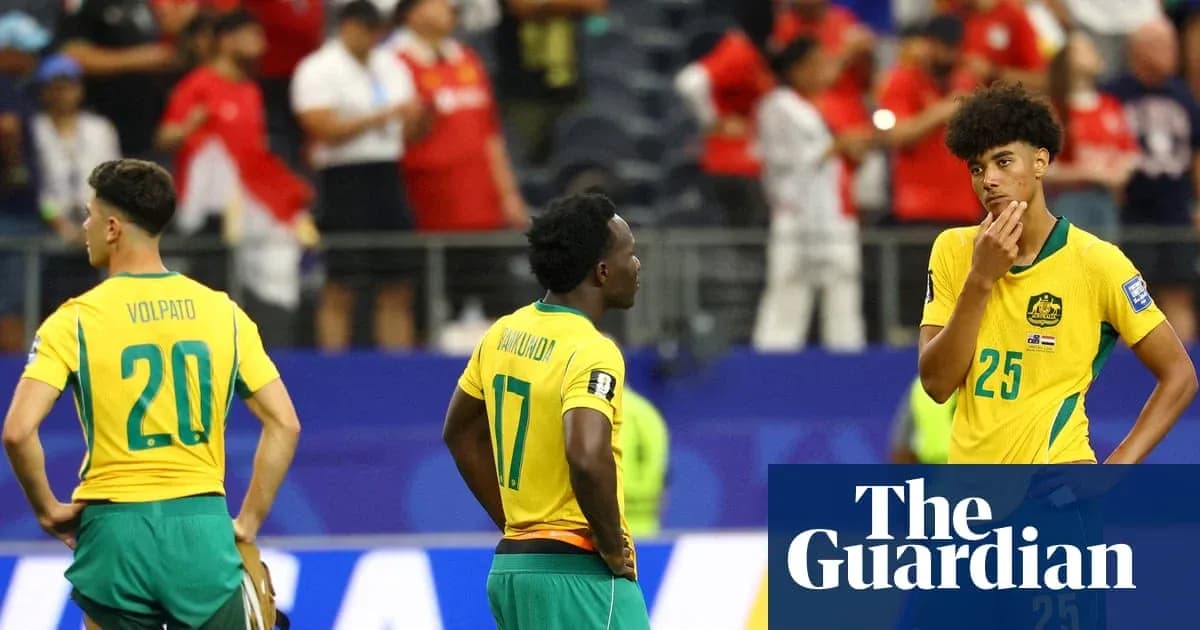
Jackson Irvine got to him first, the captain’s emotions written all over his face. Then came Nestory Irakunda, a foot shorter but wrapping Herrington in a long embrace. Two teenagers, billed as the future of Australian football, standing in the ruins of the present.
Australia will now wait at least another four years for that elusive breakthrough in the knockouts. The nagging thought will linger: they may not see a better opening than this for a long time.
Herrington was not alone in his torment. Harry Souttar had gone first in the shootout, a giant of a man who had emptied himself over 120 brutal minutes. He walked up looking drained, struck through the middle, and scooped his kick over the bar. Advantage Egypt, and they never let it go.
Tony Popovic reached for one last card, sending on captain Maty Ryan in the dying moments as a specialist for the shootout. It changed nothing. Egypt buried all four of their penalties, cold and clinical, ending it before Australia could even take a fifth.
The pain of the finish sat on top of a match that had never quite caught fire. Three hours into this tournament without a goal and trailing 1-0, the Socceroos trudged into half-time looking hollowed out. Their mood darkened further when Jordy Bos, after a challenge, tried to test his left knee and discovered he could barely walk. He was done.
On the ball, Australia had struggled to prise open Egypt’s defence. The first half became a tactical arm wrestle, both sides more concerned with sidestepping the press than tearing into each other. The early Australian optimism – Cristian Volpato’s wicked, skidding strike that brushed the crossbar, Bos tearing into the box on a surging run – evaporated the moment Egypt struck.
The goal came from the kind of lapse that haunts tournament teams. Australia conceded ground too easily down their right, their press splintering. On the edge of the area, Irvine was caught out by Ziko, who nicked in front and drew the foul.
Emam Ashour took the free-kick. Irvine blocked the first effort, but the danger didn’t disappear. The ball came back into the box, Australia switched off for a heartbeat, and Egypt’s No 8 had ghosted to the back post unmarked. His header found the net. A simple finish, a brutal reminder of Egypt’s sharpness. Suddenly the Socceroos were chasing.
With Bos gone at the break, Kai Trewin entered for his World Cup debut at right-back. Within 10 seconds, his direct opponent nearly scored. The second half opened in chaos, and for a moment it felt like Australian hopes might be snuffed out before they could even reset.
They clung on, steadied themselves, and then did something they hadn’t managed all tournament: they scored while behind. Officially, the equaliser went down as a Mohamed Hany own goal, but it owed everything to Aiden O’Neill.
From the left side of the box, O’Neill shaped a gorgeous, looping ball into the danger area. It begged for a touch, any touch. Hany obliged, the deflection taking it past his own keeper. No matter what the record says, the craft belonged to O’Neill.
The setting only added to the strangeness. The roofed arena in Arlington, ringed by 24,000 parking spaces, usually stages American sporting pageantry. Tonight it hosted a different kind of worship: tense, attritional, often ugly. For neutrals, this will not have been a conversion moment. The repeated stoppages killed rhythm, the lack of chances starved the game of spectacle. After 100 minutes, the two sides had mustered just four shots on target between them.
For Australians and Egyptians, it was torture of a different kind. Jaw-clenching, breath-held, every cross a mini-crisis. Patrick Beach punched and clawed at deliveries. Egypt’s shorter back line threw themselves at everything, somehow holding firm even when the ball dropped in horrible areas.
Then, late in normal time, Mo Salah finally stepped into the spotlight. For most of the evening he had been contained, watched, nudged away from danger. Now he found space, sweeping in a cross that Ramy Rabia looked certain to bury, only for Beach to fling up a hand and tip it over.
Salah drove one at goal himself minutes later. Then he slipped a clever ball into the box for a final Egyptian chance, only for Souttar to hurl his frame in the way and block a shot that seemed destined for the far corner.
Any doubts about Salah’s fitness evaporated in that frantic spell and in the grin he flashed at Souttar during the coin toss before extra time. Even he, though, reminded everyone of his humanity early in the added period, leaning back and lifting a bouncing ricochet over the bar when the net beckoned.
As the clock bled away, Egypt pushed harder. They laid siege to Australia’s box, wave after wave, but the breakthrough never came. The Socceroos clung on, legs heavy, minds fraying, both teams peering over the edge of history. Neither nation had ever won a World Cup knockout match. Only penalties would decide who stepped through that door.
The shootout did not care for sentiment, or for futures, or for how much running had gone into the previous two hours. It offered one path to glory and one to heartbreak.
Egypt walked it. Australia, and a teenager in green and gold, are left to live with the echo.