Kenya's Rallying Cry After 4–0 Defeat in Women's Africa Cup
The scoreline was brutal. The message from Doreen Nabwire was anything but.
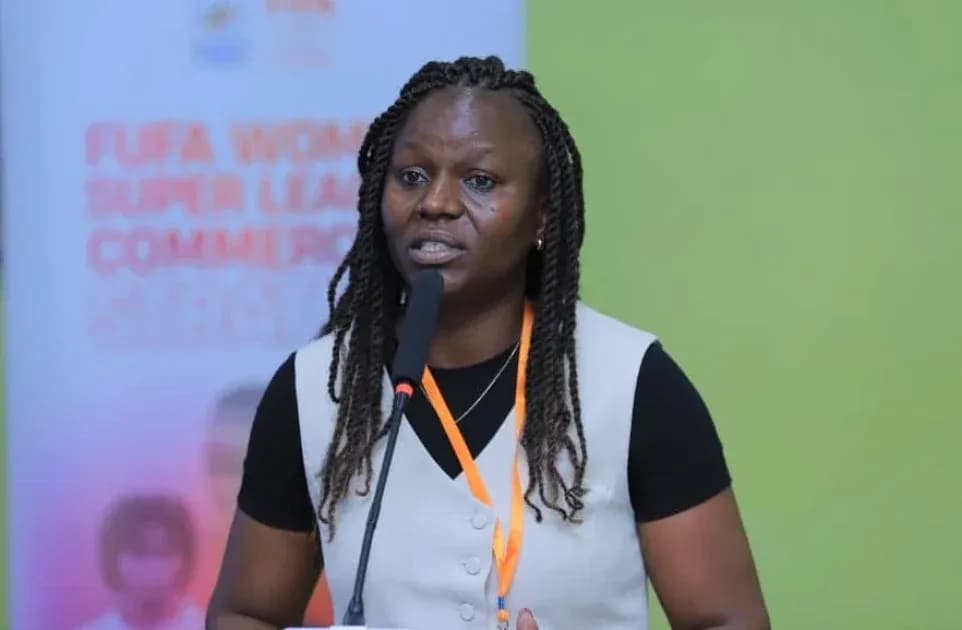
In the wake of Kenya’s 4–0 defeat to hosts Morocco in their opening Group ‘A’ match at the 2026 Women’s Africa Cup of Nations in Rabat, the former Harambee Starlets captain stepped forward in Salé with a clear demand: hold your nerve, back this team.
Speaking to Kenyan journalists from her office in Morocco, Nabwire refused to treat the loss as a death sentence for Kenya’s campaign. For her, it was a harsh reminder of the level required – and a challenge the Starlets can still meet.
“I strongly believe we have a good chance against Senegal and Algeria, and we can still turn things around,” she said, pointing straight at the remaining group fixtures. Morocco, she reminded everyone, are no ordinary opponents. They are organised, well-resourced, and ranked among the continent’s elite.
“They have been intentional in their preparations, and they are among the top-ranked teams on the continent. Their ambition goes beyond Africa. They are targeting the FIFA Women’s World Cup and striving to establish themselves on the global stage.”
Kenya, she insisted, earned the right to be here. No fluke, no favour.
“Kenya did not qualify for this tournament by chance; the players earned their place through hard work. Although the opening result was disappointing, our focus now should be on the remaining two group matches. If we can collect maximum points, we still have a chance of progressing.”
A Game Racing Ahead – Can Kenya Keep Pace?
Nabwire no longer wears the armband, but her influence on the women’s game has only grown. Now a FIFA Women’s Football Development expert, she has a panoramic view of the sport’s rapid rise across Africa – and of the pressure that comes with it.
“We have reached a stage where women’s football is growing at a remarkable pace, and we must dare to dream. We should aim to qualify for the World Cup,” she said.
Then came the harder truth. Talent and tactics are not enough.
“Success depends on much more than what happens on the pitch. Winning matches is only one part of the many other factors that contribute to success.”
This is where Nabwire, the trailblazer who in 2009 became the first Kenyan woman to play professional football in Europe with SV Werder Bremen, drew a firm line. If Kenya want results, they must fix what surrounds the team.
“We must ensure that everything outside the pitch is taken care of before expecting players to deliver results,” she stressed. “We continue to face challenges with infrastructure, coaching and issues surrounding players' allowances. These are important factors because they directly affect motivation and performance.”
From Werder Bremen to PEC Zwolle and over 15 years in the national setup, she has seen what a proper football environment looks like. She knows when players are being asked to perform with one hand tied behind their backs.
“If we want to compete at the highest level, we must create the right environment for our players. Everything has to be in place to enable them to step onto the pitch, compete effectively and represent the country with confidence.”
Social Media Fury vs Dressing Room Reality
The 4–0 loss triggered a familiar storm online. Criticism, blame, anger – much of it aimed squarely at the players. Nabwire pushed back.
“In football, there are three possible results; you win, draw or lose. When we win, everyone celebrates, but when we lose, people should understand that it is part of the game,” she reminded fans.
Her call was not for blind loyalty, but for perspective.
“We must learn from our mistakes, identify what went wrong, work on those areas and come back stronger.”
For Nabwire, this is where experience matters. Tactical errors can be corrected. Confidence can be rebuilt. A heavy defeat can either break a team or sharpen it.
She remains convinced the Starlets can choose the second path, reset quickly and fight for a quarter-final place. The mathematics are simple: beat Senegal, beat Algeria, and Kenya are back in the conversation.
Two Games to Save a Campaign
The next test comes fast.
Kenya face Senegal at the Olympic Stadium on July 30, with kick-off set for 8:00 PM Kenyan time. On the same night, Morocco meet Algeria at the Moulay El Hassan Stadium at 11:00 PM Kenyan time.
By the time the final whistle blows on that double-header, Group ‘A’ will look very different. For Kenya, those 90 minutes against Senegal are more than a fixture. They are a response.
A response to a 4–0 defeat. A response to online backlash. A response to the question Nabwire has thrown back at the country: will Kenya simply complain about the gap to Africa’s best, or start closing it?