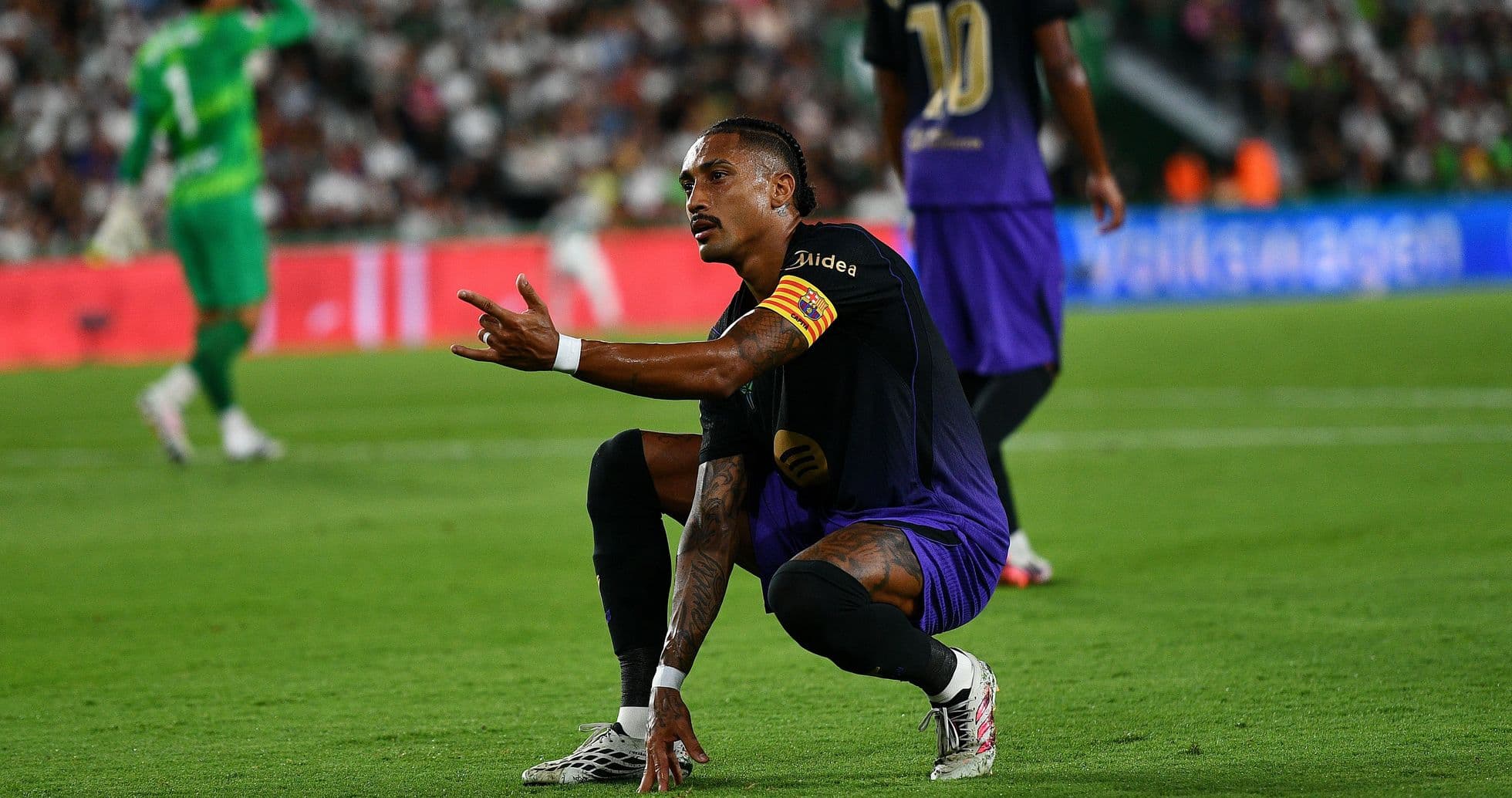
Jaume Jardí Leaves Nàstic de Tarragona: A Departure with Emotional Weight
For three seasons, whenever Nàstic de Tarragona needed someone to drag the team forward by sheer will, the answer was usually the same name: Jaume Jardí. Now that name leaves the club’s books and walks out of the Nou Estadi door, officially announced on June 8, 2026, but it stays firmly etched in the memory of a city that asks its footballers for something more than talent.
This is not just a transfer line or a quiet parting of ways. It is the closing of a chapter that, in local terms, felt unusually intense.
A player who wore more than a shirt
Jardí did not become the emblem of Nàstic because of an avalanche of goals or a highlight reel of assists. His legacy is built on something more stubborn and less glamorous: relentless work, visible in every duel, every sprint, every lost cause he refused to abandon.
On the pitch, he was one of the most recognisable faces of a club that prides itself on carrying the city’s identity on its chest. Off it, he embodied an idea supporters cling to: that some players really do understand what the badge means.
Nàstic chose its words carefully in its farewell, but they rang true in Tarragona. The club thanked him publicly for “fighting for our badge with dedication, commitment, and effort.” For once, it did not sound like a line lifted from a template. It sounded like a fair summary of three demanding seasons.
A city that feels its football
In Tarragona, football is not a casual weekend distraction. It seeps into neighbourhood bars, school playgrounds, and workplace conversations. Within that context, Jardí was never just another squad member. He became a symbol of a certain way of playing and behaving: head down, sleeves rolled up, no excuses.
So his departure lands with more weight than a routine squad reshuffle. It creates a gap that goes beyond tactics or line-ups. The fans lose not only a player but a point of emotional connection, someone they saw as one of their own in spirit, if not by birth.
That is why the reaction has been immediate. Social media, fan forums, and local meeting points filled quickly with messages of gratitude, surprise, and a touch of sadness. Local clubs and sports entities joined in, recognising a career that has mattered both on and off the pitch. In a province where football often acts as social glue, Jardí had become one of its visible threads.
The void he leaves behind
Every club talks about values. Few manage to personify them as clearly as Nàstic did with Jardí. His departure exposes a familiar challenge: how do you replace not just a role in the team, but a presence that resonates with the stands?
You can sign technique. You can scout speed, vision, or goals. What you cannot simply buy is that human connection that makes a player feel like an extension of the terrace itself. Jardí offered that, week after week, in a way that supporters recognised instantly.
Now, Nàstic must search for someone who can carry that same emotional weight, or at least share it. Because in clubs so closely intertwined with their city, the dressing room needs more than quality; it needs standard-bearers.
New paths for Jardí, new questions for Nàstic
The club has wished him luck in his “personal and professional” challenges, a phrase that opens the door to several possibilities and closes none. Whether Jardí continues his journey in football or chooses a different road remains to be seen. What is clear is that Tarragona has marked him, just as he has left his imprint on Tarragona.
Locally, eyes will stay fixed on his next steps. Players who give so much of themselves do not simply vanish from the collective radar when they change shirts. He has surrendered his place in the squad, but not the legacy he built in it.
At the same time, Nàstic enters a new stage. The board and coaching staff must recalibrate a dressing room that has lost one of its emotional leaders. The challenge is not only to keep the team competitive, but to preserve the fighting spirit that Jardí came to represent so naturally.
The city will judge how that transition is handled. In Tarragona, what happens on the pitch quickly spills into the streets, shaping the mood in markets, cafés, and workplaces. A team that fights lifts the city; a team that drifts weighs it down.
For now, one thing is unanimous. The farewell carries a simple, powerful truth: not everyone fights for the badge the way Jaume Jardí has. The question now is who dares to pick it up and carry it next.