Inside Manchester United's Rebuild: Holland's Influence and Ratcliffe's Legal Battle
Manchester United’s rebuild under Ineos is gathering pace, but the real story at Old Trafford right now stretches from the boardroom and the training pitches of Carrington to courtrooms, Caribbean beaches and transfer war rooms across Europe.
This is a club in motion. And not always in a straight line.
Holland, from World Cup Flashpoint to Carrick’s Enforcer
Steve Holland arrived at United with baggage. Three years on from the World Cup bust‑up that drove Ben White out of the England camp, he could easily have slipped into the background, a safe pair of hands and little more.
Instead, he has become Michael Carrick’s silent enforcer.
Inside Old Trafford, staff now call Holland the “perfect No2”. He doesn’t rant. He doesn’t grandstand. He picks his moments, and when he speaks, senior players listen.
All season he has been a constant presence at academy games, often side by side with Carrick on the touchline. He has even pushed first‑team stars to wander over to the Under‑18 pitches after training, to see the next generation up close and to feel the club as more than just the first-team bubble.
His influence cuts deeper than optics. Holland drove a key tactical and physical shift by urging Carrick to shorten training sessions and crank up the intensity. Less time, more edge. The players bought in, and the tempo of United’s football followed.
He doesn’t clock off, either. After United’s dramatic 3-2 win at Arsenal in January, when most would have basked in the Emirates heist, Holland spent the journey back dissecting video with Carrick, already shaping the plan for Fulham.
All of that sits in stark contrast to the most infamous moment of his England tenure.
Back in Qatar, Holland’s relationship with Ben White imploded in front of the squad. During a tactical quiz, he grilled Kyle Walker on Manchester City’s set‑up, then turned to White for detail on Arsenal. When the defender couldn’t answer, Holland snapped that he wasn’t “sufficiently interested” in football. In front of everyone.
It was one flashpoint among several issues that ended with White packing his bags and leaving the World Cup camp for “personal reasons”, vowing not to return while Holland remained in post. The Arsenal man only came back into the England fold after Holland’s departure, earning a surprise recall under Thomas Tuchel in March before a knee injury struck.
Now, Holland is rebuilding his reputation in Manchester, not with noise but with relentless, detailed work. The same uncompromising standards that once blew up a World Cup camp are being channelled into a title-chasing project.
Ratcliffe Dragged into “Burn Your House Down” Legal Row
While Holland quietly shapes Carrick’s United, Sir Jim Ratcliffe is at the centre of a storm.
High Court documents reveal explosive claims from Olympic legend Sir Ben Ainslie, who says he was hit with a chilling “burn your house down” threat in a row over America’s Cup assets.
According to Ainslie, the warning came via Ineos Sport powerbrokers Jean‑Claude Blanc and Rob Nevin in his Barcelona office in October 2024, just hours before he was due to chase history against New Zealand. The alleged message: hand over his team’s assets and intellectual property or Ratcliffe would “come after” him.
Ratcliffe, worth around £13.5bn, had poured millions into Ainslie’s Athena Racing team, backing a joint push for the 2024 America’s Cup. The partnership fractured, the teams split, and the United co‑owner has now launched legal action to force Ainslie to hand back the £180m boat built for the campaign.
As Ratcliffe talks about long‑term planning and sustainable ambition at Old Trafford, his sporting empire is fighting an ugly, high‑stakes battle elsewhere.
Berrada’s Bold Timeline: “We’re in a Good Place”
On the football side, Manchester United CEO Omar Berrada has set out an ambitious clock for success.
He believes United are “in a good place” to win the Premier League within two years. When Ineos took control of football operations, the internal target was clear: land a 21st league title by 2028, the club’s 150th anniversary.
Berrada isn’t hiding behind cautious language. He has spoken of “really good progress on the pitch” and promised continued investment “in different areas of the club”, with a firm insistence that United must be financially sustainable and commercially innovative.
The message is simple: big ambition, but no more reckless spending.
Ederson First, But No More Blank Cheques
Last summer, United dropped more than £200m on Matheus Cunha, Bryan Mbeumo, Benjamin Sesko and Senne Lammens. The blend of proven and emerging talent worked, and Berrada wants to copy that template.
At least five new signings are on the agenda. The first is already lined up: Atalanta midfielder Ederson, with a £38–39m deal agreed.
There is a twist. Because Ederson is arriving from an overseas club, Italy’s system and FIFA’s international transfer certificate process mean his registration cannot be completed until July 1. He has agreed to become a United player, but he cannot be officially listed in their squad until that date.
Berrada has been blunt about one thing: United will not be held to ransom by Premier League rivals or agents. The era of paying top‑of‑market fees and wages for fading stars like Casemiro, Antony, Jadon Sancho and Donny van de Beek has left scars. The new regime intends to learn from them.
Tchouameni, Leao and a Left‑Back Puzzle
The recruitment drive this summer is already taking shape.
United remain keen on Real Madrid’s Aurelien Tchouameni, valued at around £60m. Training ground clashes with Federico Valverde have reportedly fractured the Madrid dressing room, and with United needing a long‑term replacement for Casemiro, the Frenchman fits both profile and pedigree.
On the flanks, Rafael Leao has signalled he wants a move to the Premier League. AC Milan are prepared to sell, with the winger said to be available for around £43m. Arsenal and United are both watching closely, and Galatasaray are lurking in the background. For United, Leao would offer explosive width and a different dimension on the left.
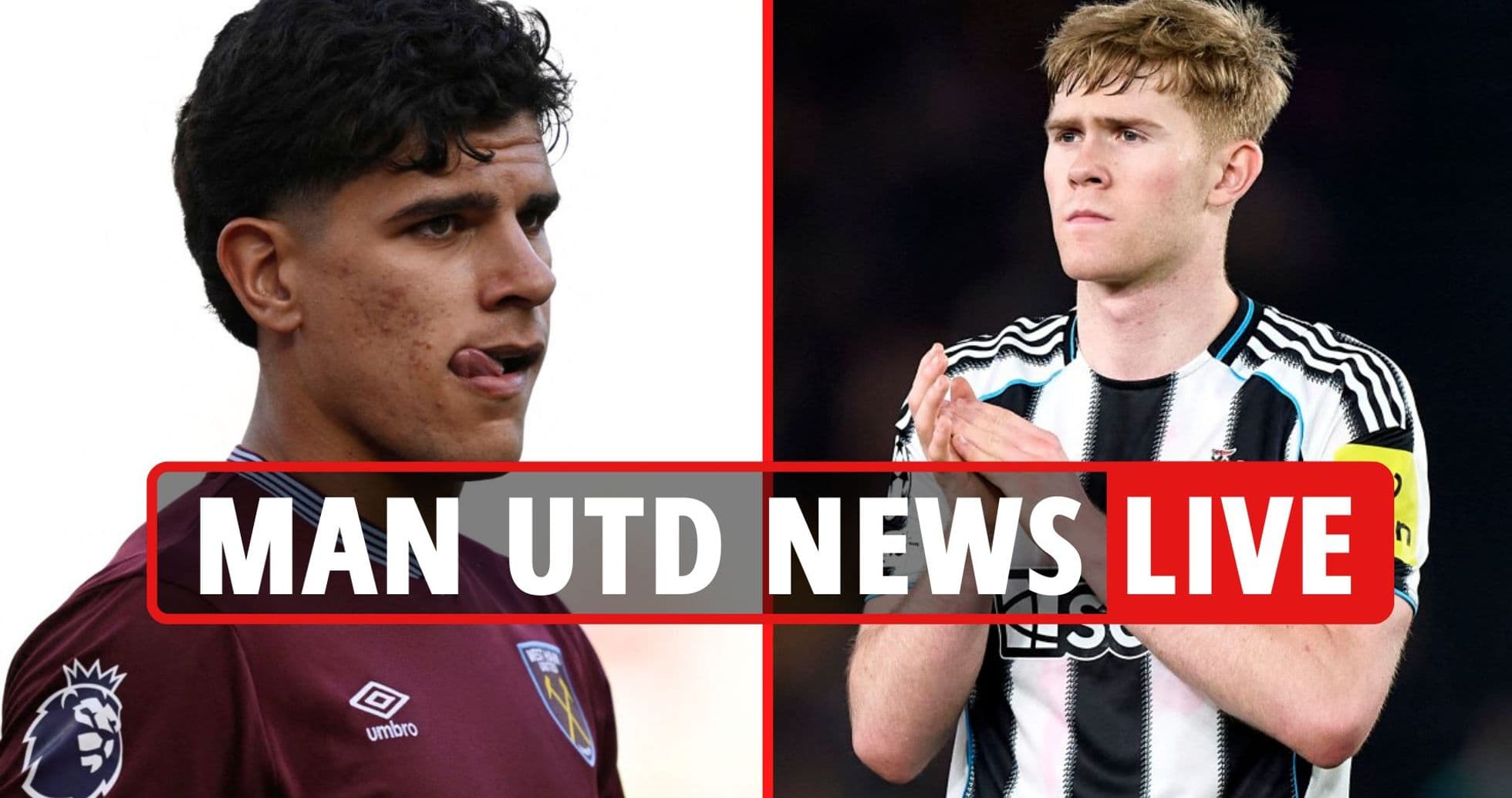
At left‑back, the club are exploring three options. Newcastle’s Lewis Hall tops the list, with Director of Football Jason Wilcox a huge admirer. The price is steep: £70m. Newcastle’s need to sell has eased after Anthony Gordon’s £70m switch to Barcelona, so they can dig in.
United have also opened talks over Barcelona’s Alejandro Balde and Eintracht Frankfurt’s Nathaniel Brown. Both are 22, both fit the athletic, progressive profile United want, and both offer a more cost‑effective route than Hall.
The calculation is clear: find the right balance of age, ceiling and price without repeating past mistakes.
Ugarte, Fernandes and the Midfield Market
The midfield churn doesn’t stop with Ederson and Tchouameni.
Manuel Ugarte, who endured a disappointing spell at Old Trafford after his move from Paris Saint‑Germain, is expected to leave this summer. United value the 25‑year‑old at around £25m. Crystal Palace and Everton are among the clubs interested, both looking to add steel and energy in the middle of the park.
Further along the M6, West Ham’s Mateus Fernandes has lit up enough games to attract serious attention across the league. But not, yet, from United. Sources at the relegated club insist there has been no direct contact from Old Trafford, or from any other side, despite widespread speculation.
What is not in doubt is West Ham’s stance. They must raise more than £100m after dropping into the Championship and value Fernandes at a minimum of £80m. Domestic deals between Premier League and EFL clubs can be done from June 15, and the midfielder is widely expected to move. Whether United join the race remains to be seen.
Onana’s Return and the Goalkeeper Jigsaw
In goal, the picture is just as fluid.
Andre Onana, who spent last season on loan at Trabzonspor, will report back for pre‑season after the World Cup. His future has been the subject of constant speculation, but he will be on United’s books before any final decision is made.
If he stays, the Cameroon international is likely to sit behind Senne Lammens in the pecking order, with Altay Bayindir expected to head out. It is a stark shift for a keeper once signed to be the long‑term No1, and another sign that United are unafraid to reset quickly when plans change.
Rashford, Bayern and an Uncertain Future
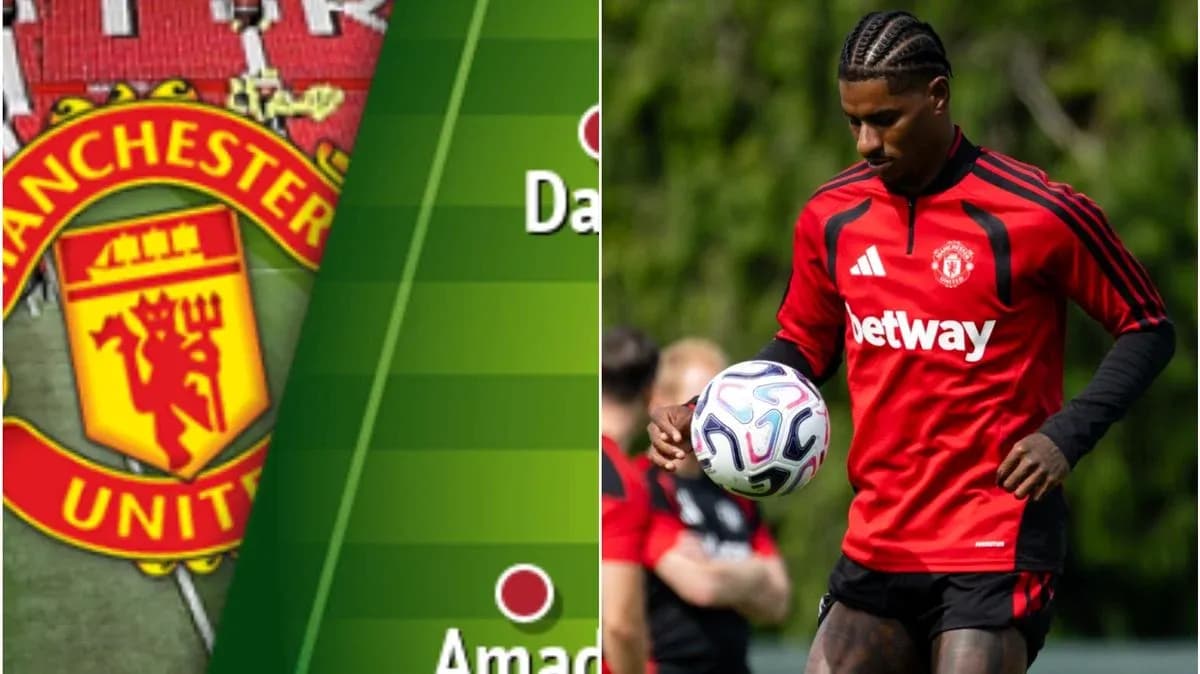
Marcus Rashford’s future remains one of the summer’s big storylines.
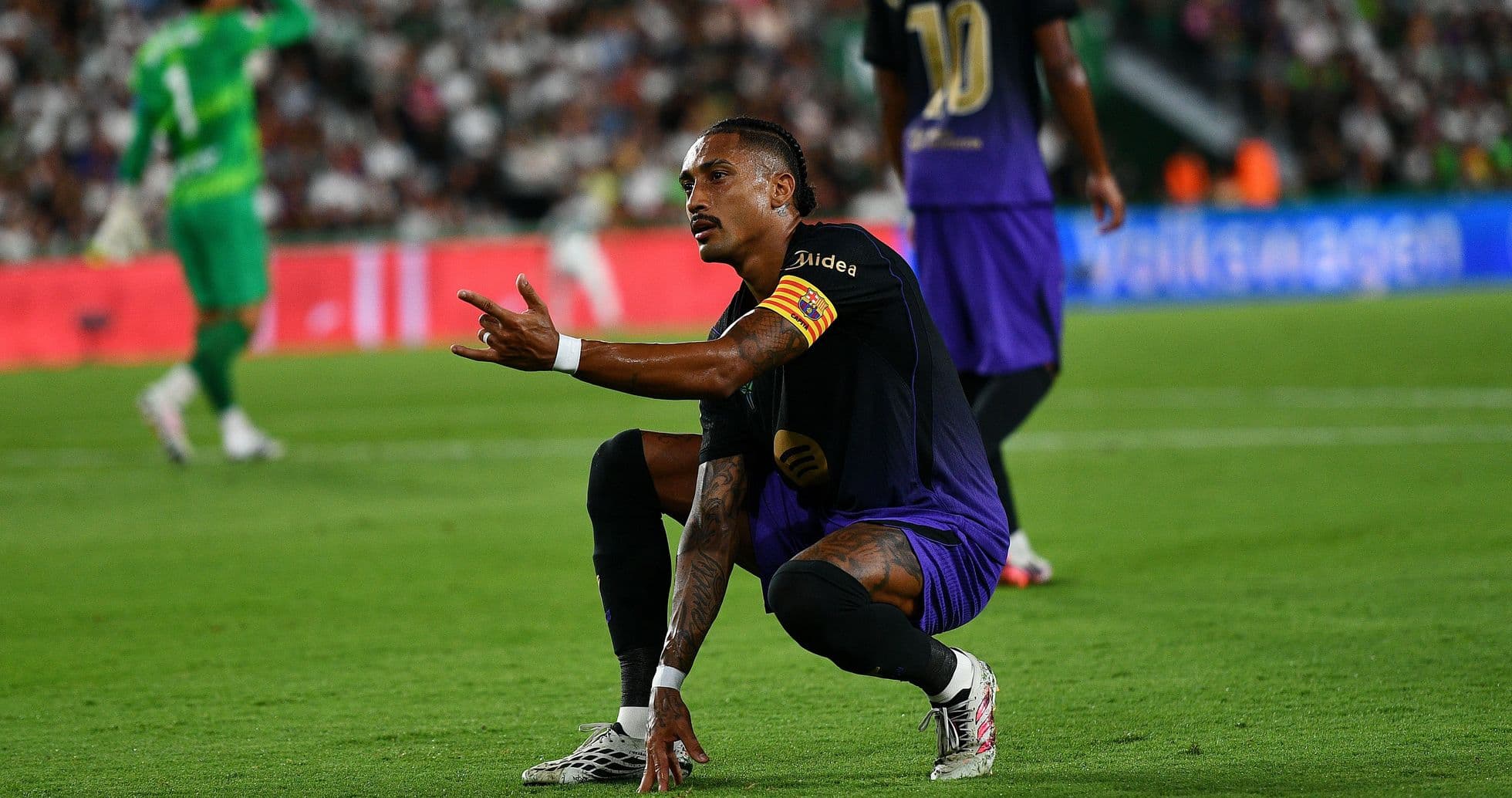
Reports suggest a potential move to Bayern Munich hinges on his salary demands. Rashford is understood to be keen on staying at Barcelona, yet there is now a real possibility he will have to find a new club for next season and beyond.
For a player once seen as the face of United’s new era, the prospect of a move abroad underlines just how ruthless this rebuild could become.
Hall, Ndiaye and the Wider Market
Back at left‑back, United’s admiration for Lewis Hall comes with a clear price: £70m. With Luke Shaw’s injuries a constant concern and Hall controversially omitted from Thomas Tuchel’s England World Cup squad, United see an opportunity to lock down the position for the next decade. Newcastle, though, are in no rush to sell.
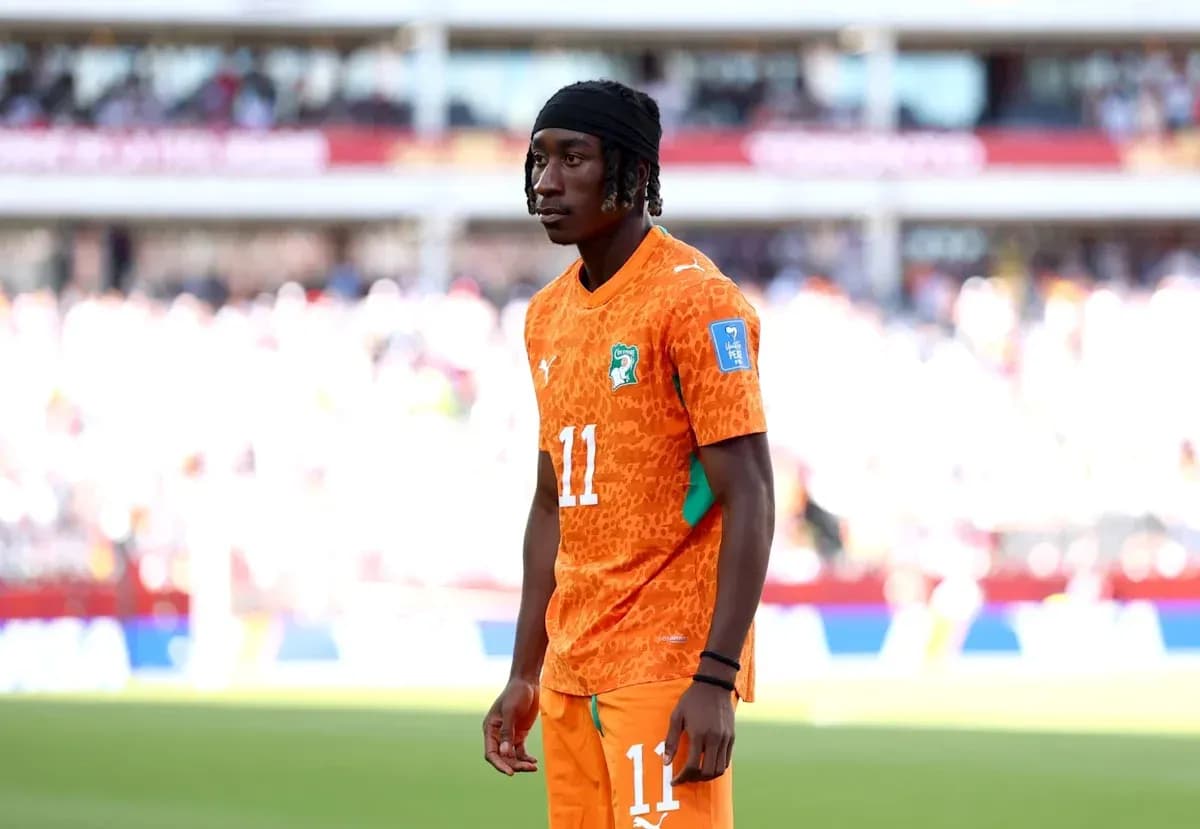
Up front, Everton’s Iliman Ndiaye has been linked with a switch to Old Trafford. For now, there is more noise than movement. The Senegal international has reportedly turned down new contract offers at Goodison Park, with release clauses causing tension, but he has not asked to leave.
Everton are not under immediate pressure to sell, and David Moyes wants to keep him. Still, a serious bid from United would test that resolve.
Maguire’s Caribbean Escape and Dalot’s Near‑Miss
Away from the transfer grind, two United defenders have offered very different glimpses into life beyond the pitch.
Harry Maguire, left out of England’s World Cup plans, has been unwinding in Barbados. The centre‑back flew across the Atlantic but stopped well short of the tournament venues, opting instead for a tropical reset with his wife Fern.
The pair were pictured in a romantic seaside setting, Maguire in a loose shirt, Fern in a bikini top and skirt, enjoying the calm after a brutal season of scrutiny. He also found time for golf with former England team‑mate Jordan Pickford, who squeezed in a break of his own before joining the Three Lions’ pre‑World Cup camp in Florida.
Diogo Dalot, by contrast, has looked back rather than away. Writing for The Players’ Tribune, the full‑back revealed he survived a near‑fatal car crash as a 12‑year‑old on his way to Porto training. The car flipped on the motorway and landed on its roof. Dalot climbed out through the back window, dazed but alive.
When his parents arrived, his mother was in tears. His first words to his father? Not about the hospital, but about getting to training so he wouldn’t miss the squad the next day. His team‑mate and the driver went back to Braga. Dalot’s father drove him to Porto.
That obsession, bordering on the extreme, now underpins a career that has taken him to a second World Cup with Portugal and a key role in United’s reshaped defence.
United stand at a fascinating crossroads: a CEO promising a title within two years, an owner locked in a high‑profile legal fight, a coaching staff reshaped by a once‑controversial assistant, and a squad braced for another wave of change.
If Berrada’s timeline holds, this summer will be remembered as the window when all those strands either came together – or snapped under the weight of their own ambition.