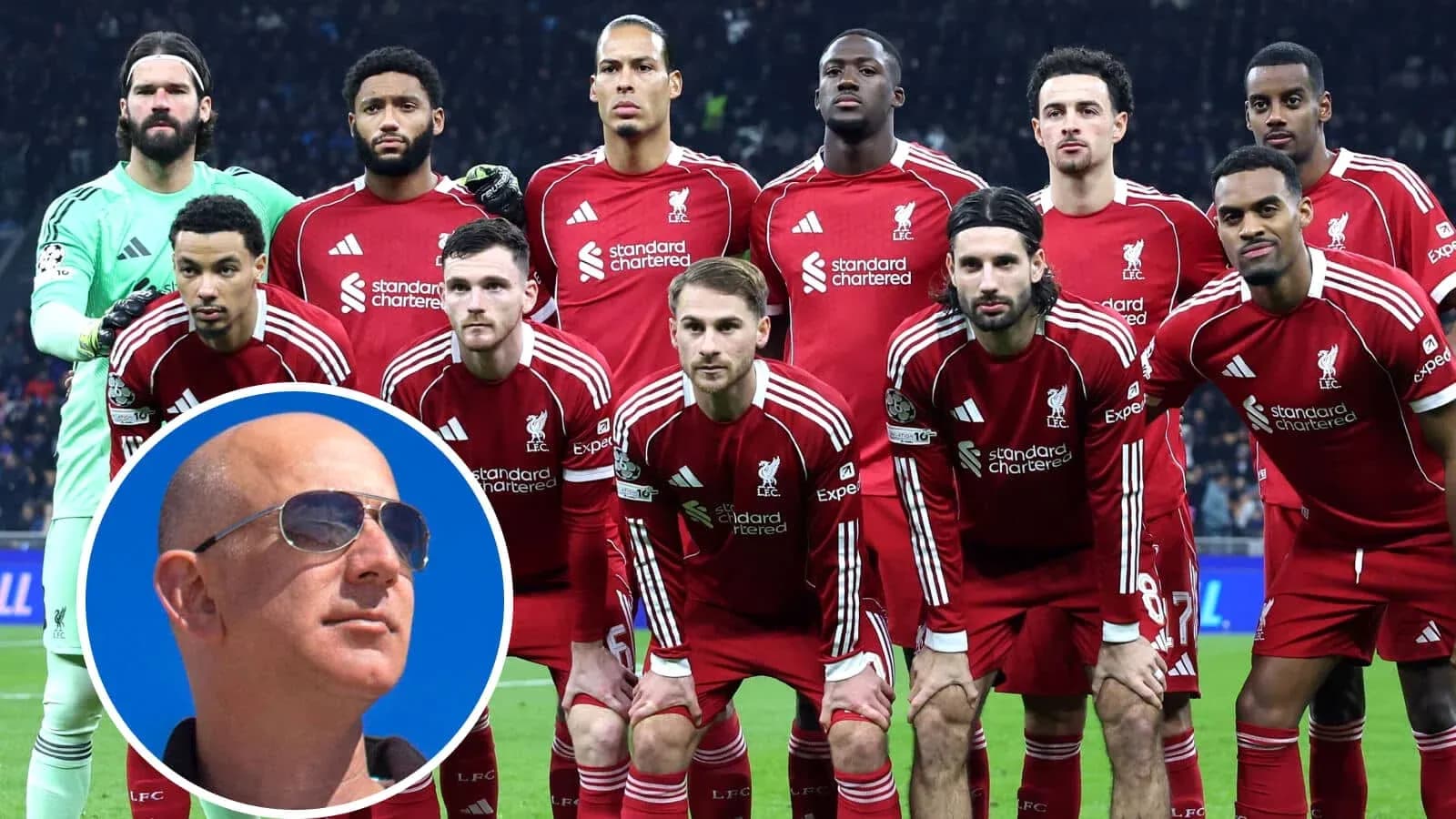
FSG's Commitment to Liverpool: Investment, Not Exit
Fenway Sports Group have no intention of walking away from Liverpool. Not now, not quietly, and certainly not under pressure from a swirl of takeover rumours.
Despite a flurry of talks with potential investors, sources have made it clear to TEAMtalk that FSG remain firmly in control at Anfield and plan to stay that way. The conversations taking place are about adding muscle, not handing over the keys.
Investment, not an exit
Speculation over Liverpool’s ownership has flared again with reports of outside money circling the club. Behind the noise, the message from Boston is blunt: this is about “strategic investment”, not a full or majority sale.
Those close to the situation insist John W. Henry and Tom Werner are “as committed as ever to Liverpool” and still see the club as a “long-term cornerstone” of the FSG portfolio. In their eyes, any fresh capital must sharpen Liverpool’s competitive edge on and off the pitch, not signal the start of a long goodbye.
FSG bought Liverpool from George Gillett and Tom Hicks in 2010 for around £300 million. Since then, they have poured money into the stadium, the training ground and the football structure around the team. Anfield has been reshaped and expanded, the AXA Training Centre has replaced Melwood as the club’s modern base, and the internal operations have been rebuilt to match Europe’s elite.
Inside FSG, there is a strong belief that Liverpool now rank among the best-equipped clubs in world football. The owners want any new investor to enhance that position, not disrupt it.
High-profile names, clear red lines
TEAMtalk understands that FSG have held talks with a number of high-profile investors as they explore possible strategic partners. Among those sounded out is former Queens Park Rangers co-owner Amit Bhatia, with sources confirming that discussions have taken place.
These conversations, though, are described as exploratory. They form part of a broader assessment of investment options rather than the early stages of a sale process.
Similar contact has been made with other heavyweight business figures, including Amazon founder Jeff Bezos, who has also been linked with a potential stake in the club. Even so, those inside the deal room are adamant: these talks should not be read as FSG preparing to cash out.
The ownership group point to their previous deals as a template. In 2011, NBA superstar LeBron James and business partner Maverick Carter bought a small minority stake in Liverpool, a move FSG viewed as strategically valuable for the club’s global reach and commercial appeal. A decade later, in 2021, James increased his holding and became a major partner in the club.
That model remains the reference point. Minority investors, carefully chosen, adding reach, profile and expertise while FSG retain control.
TEAMtalk understands that FSG are open to welcoming more minority partners, but only when the fit is right and the benefits to Liverpool are obvious. There is, sources stress, no appetite inside the group to surrender control of the club.
The conviction at the top is that Liverpool are well placed for sustained success and must remain part of Europe’s inner circle for years to come. From FSG’s perspective, they want to be the ones steering that journey.
Backing Iraola and the next rebuild
All of this plays out against a football backdrop that is anything but static. Inside the club, the focus is on arming Andoni Iraola with a squad capable of going toe-to-toe with Europe’s best and dragging Liverpool back into serious trophy contention after a flat, frustrating season under Arne Slot.
Recruitment is central to that plan. A new winger sits at the top of the wishlist, and on Thursday it emerged that Bradley Barcola is in a position to force Paris Saint-Germain into a sale and engineer what has been described as an “absolutely outrageous” move to Anfield.
Liverpool have also been mentioned in connection with a possible hijack for Maghnes Akliouche, but sources have poured cold water on that angle, clarifying that the Monaco midfielder’s next destination lies elsewhere.
So the picture is clear. The ownership are staying. The money they seek is designed to strengthen, not to sell. And as the market starts to move and Iraola’s plans take shape, Liverpool’s next era will be built with FSG still in command of the project, not standing on the outside looking in.