France vs England: World Cup 2026 Third-Place Final Preview
The World Cup third-place final brings together old rivals France and England on 18 July 2026, under the lights of a neutral, as-yet-unconfirmed arena. The official venue name and city are still to be confirmed, but the stakes are already clear: one last shot at leaving this World Cup with a medal, pride restored, and a statement made for the next cycle. For France, it is about confirming their status as the tournament’s most explosive attack; for England, it is the chance to turn a solid campaign into tangible success against the side that broke their hearts in the 2022 quarter-final.
Season Context
France arrive as group-stage juggernauts. They topped Group I with 9 points from 3 matches, winning all three and scoring 10 goals while conceding just 2. A goal difference of +8 underlines how ruthless they have been in front of goal (10 goals in 3 games) and how secure they looked defensively (only 2 conceded).
England also finished as group winners, but with a slightly less perfect record. They took 7 points in Group L from 3 matches, with 2 wins and 1 draw. Their 6 goals scored and 2 conceded show a more controlled, balanced profile (6 goals in 3 games; 2 against), good enough for top spot but without quite the same level of dominance as France’s group campaign.
Recent Form
France’s form line in this World Cup reads “LWWWW”, a run that tells of a team that responded emphatically to a setback. Across their 3 group games they averaged 3.33 goals scored and 0.67 conceded, figures that back up the sense of an attacking side that still protects its own box effectively. Beyond the group stage, their wider tournament record of 16 goals scored and 4 conceded in 7 matches (2.3 scored and 0.6 conceded per game) reinforces the impression of a front-foot team that rarely allows opponents many chances.
England mirror that same “LWWWW” form string, but their underlying numbers are slightly different. In the group phase they averaged 2 goals scored and 0.67 conceded per game, suggesting a more measured approach than France’s free-scoring style. Over 7 World Cup matches they have scored 14 and conceded 8 (2.0 scored and 1.1 conceded per game), solid but less watertight at the back, with more open contests than France have typically allowed.
Head-to-Head Patterns
Recent competitive history between these nations leans narrowly towards France, and it still weighs on English minds. The most recent clash came on 10 December 2022, when England lost 1-2 to France in the World Cup quarter-finals at Al Bayt Stadium (World Cup, season 2022, December 2022). Earlier that decade, they shared a tense group-stage draw at Donbass Arena, as France and England finished 1-1 in the Euro Championship (Euro Championship, season 2012, June 2012). A high-scoring friendly at Stade de France (Paris) on 13 June 2017 saw France edge England 3-2, but with that match coming in Friendlies (Friendlies, season 2017, June 2017), it carries less tactical weight than the tournament encounters when reading the current balance of power.
Tactical Preview
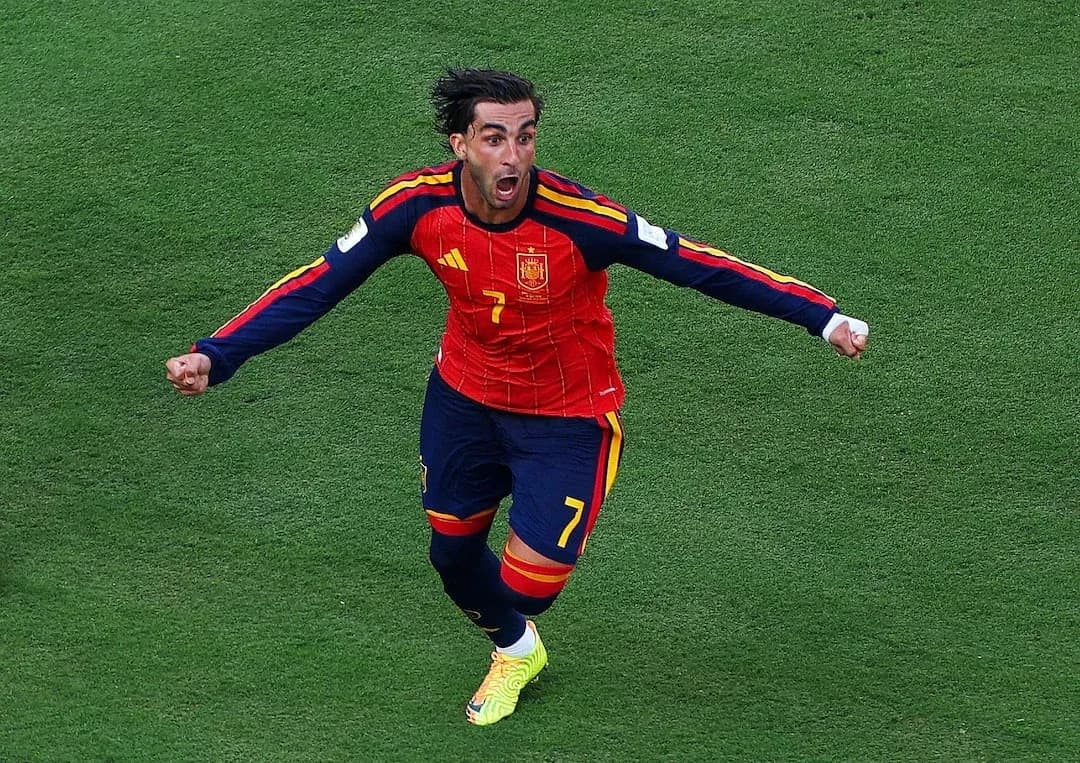
France’s statistical profile points strongly towards a 4-2-3-1 structure, the only system they have used consistently in this World Cup (7 matches in that shape). With 16 goals in 7 tournament games and only 4 conceded, they combine vertical speed with control. Kylian Mbappé has been the tournament’s standout forward, with 8 goals and 3 assists in 7 appearances, backed by 30 shots and 19 on target, making him the primary outlet for transitions and penalty-box threat. Ousmane Dembélé, with 5 goals and 2 assists and 265 completed passes, offers a dual role: stretching the game wide while also linking with midfield. Michael Olise, the top assist provider with 5, adds creativity between the lines and on the right, threading passes and carrying the ball under pressure (355 passes at 86% accuracy).
Without a confirmed stadium, the tactical emphasis for France is likely to remain the same: an aggressive attacking unit that trusts its back line, having kept 4 clean sheets across 7 World Cup matches. The double pivot in front of the defence, supported by athletic full-backs, allows the front four to take risks knowing the structure behind them is stable (only 4 goals conceded in 7 games).
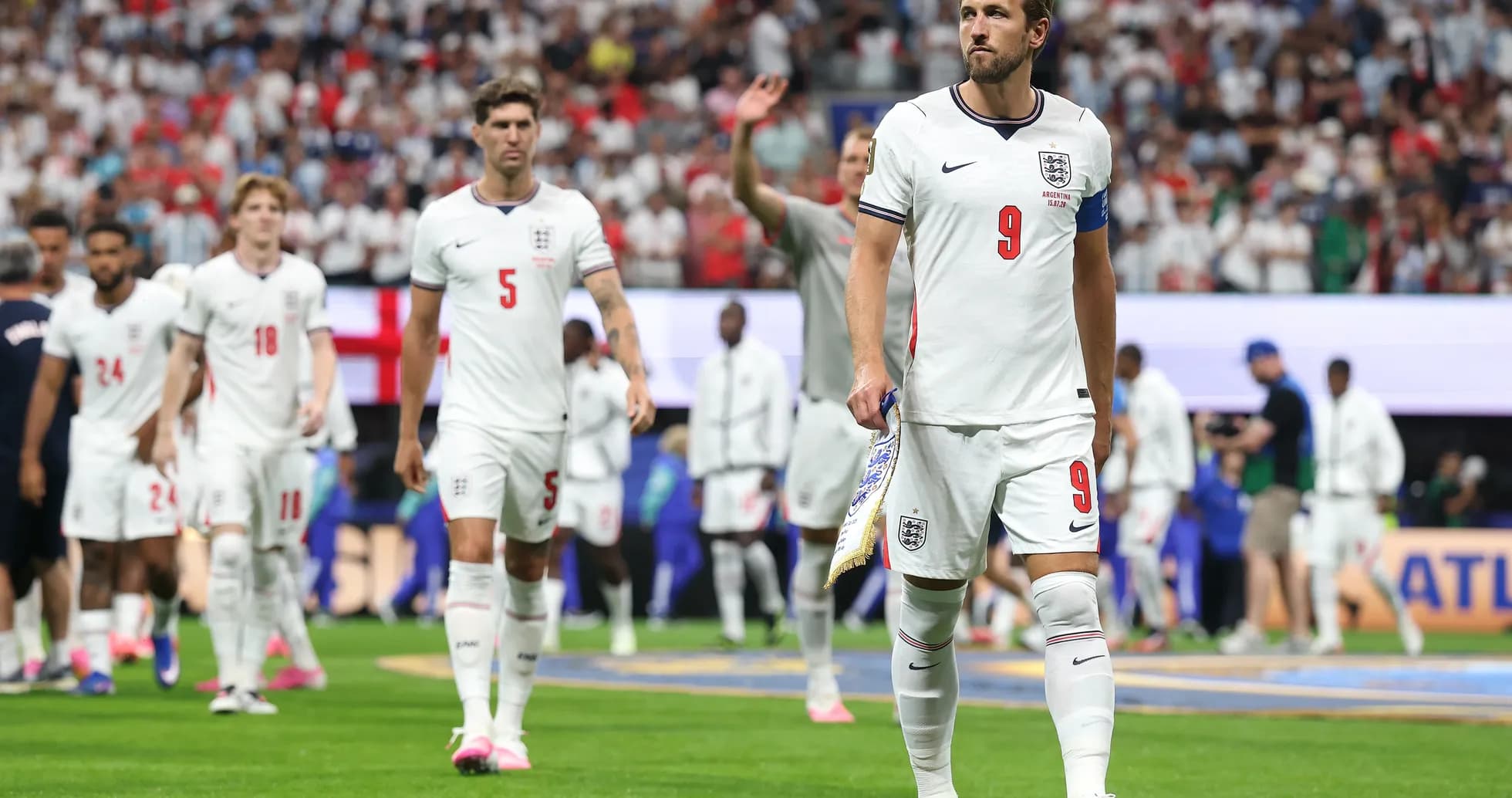
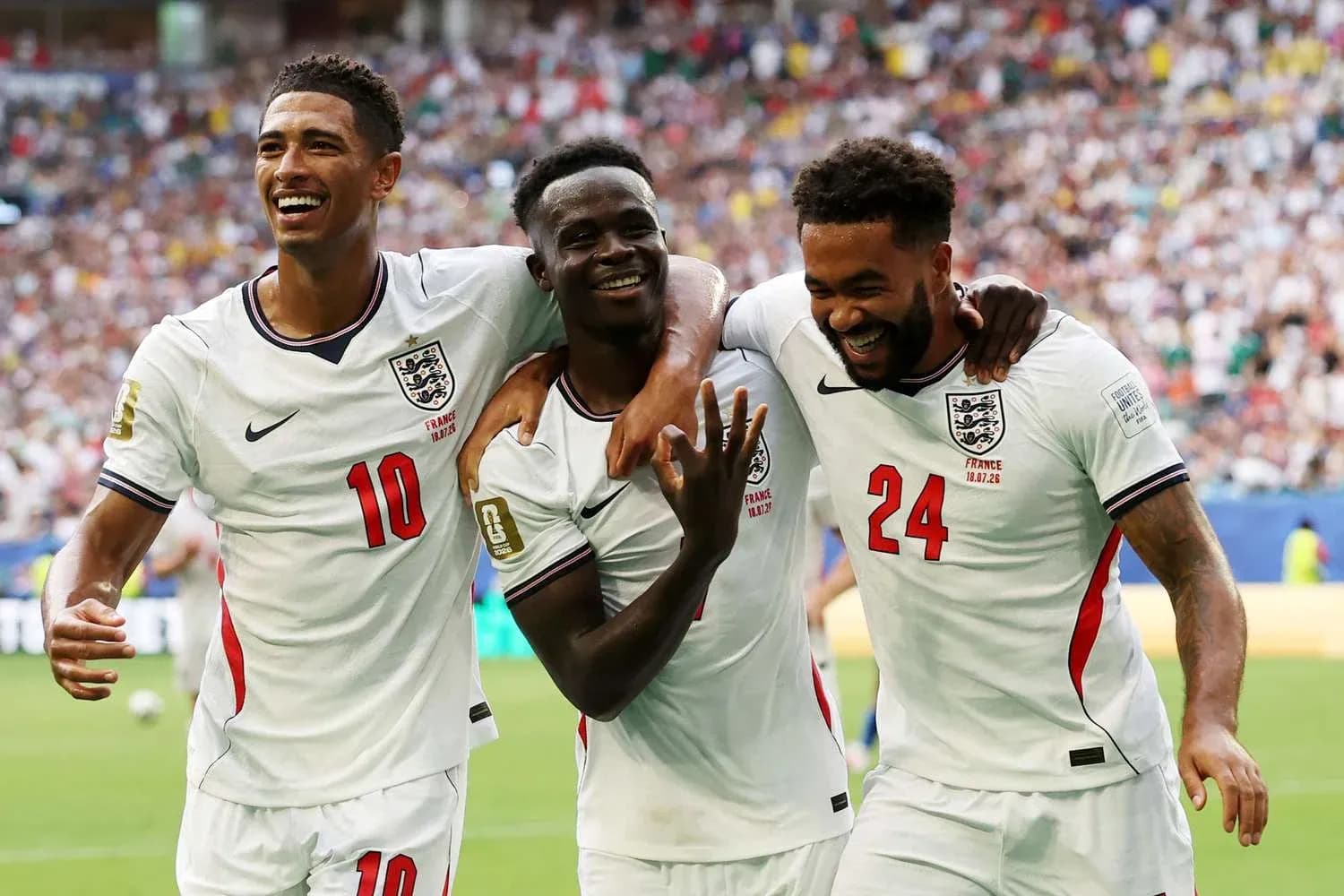
England’s numbers tell a slightly different story. They have alternated primarily between 4-2-3-1 (6 matches) and a 4-1-4-1 (1 match), suggesting a flexible approach that can either protect the back line with a double pivot or free an extra midfielder higher up. With 14 goals scored and 8 conceded in 7 World Cup games, they are more open than France, but also capable of sustained pressure. Jude Bellingham has been the heartbeat of this side: 6 goals and 1 assist, 223 passes and 14 tackles underline a midfielder who influences every phase. Harry Kane matches that goal tally with 6 strikes and 1 assist, serving as both finisher and link-man (106 passes, 5 key passes).
On the flanks, Anthony Gordon (3 assists and 1 goal) and Bukayo Saka (3 assists) give England direct running and final-ball quality, important in attacking the spaces behind France’s advanced full-backs. Declan Rice anchors the midfield with 240 passes at 91% accuracy and 2 yellow cards in 6 appearances, a reminder that his aggressive ball-winning can tilt either way in a high-stakes match. Discipline is a subplot: Jarell Quansah has already seen red once in this World Cup, and another defensive dismissal would be costly against a France side that punishes numerical advantages.
Both teams are comfortable in a 4-2-3-1 and both have high attacking ceilings, but France’s defensive record (0.6 goals conceded per game in the tournament) is significantly stronger than England’s (1.1 conceded per game). That balance between firepower and control is a key reason why predictive models tilt slightly towards the French, even if the recent form indices are very close.
Statistical Snapshot
- Competition: World Cup, season 2026 — 18 July 2026.
- Venue: To be confirmed, city to be confirmed.
- Prediction: Win or draw — Double chance : France or draw.
- Win Probabilities: Home 45% / Draw 45% / Away 10%.
- Model: France 61.3 — England 38.8.
Betting Verdict
With France’s attack operating at a higher gear (16 goals in 7 World Cup matches) and their defence conceding significantly fewer goals than England’s (4 versus 8), the analytical case supports siding with the French not to lose. The head-to-head history in major tournaments, especially the 2-1 French win in the 2022 World Cup quarter-final, reinforces that edge. The prediction model gives France a combined 90% chance of either winning or drawing (45% home, 45% draw), and its overall strength index leans their way at 61.3 to 38.8. In this context, “Double chance : France or draw” aligns neatly with both the data and the tactical matchup, offering a pragmatic angle on a match that still promises drama despite being a third-place final.