FC Barcelona's Global Impact at the World Cup
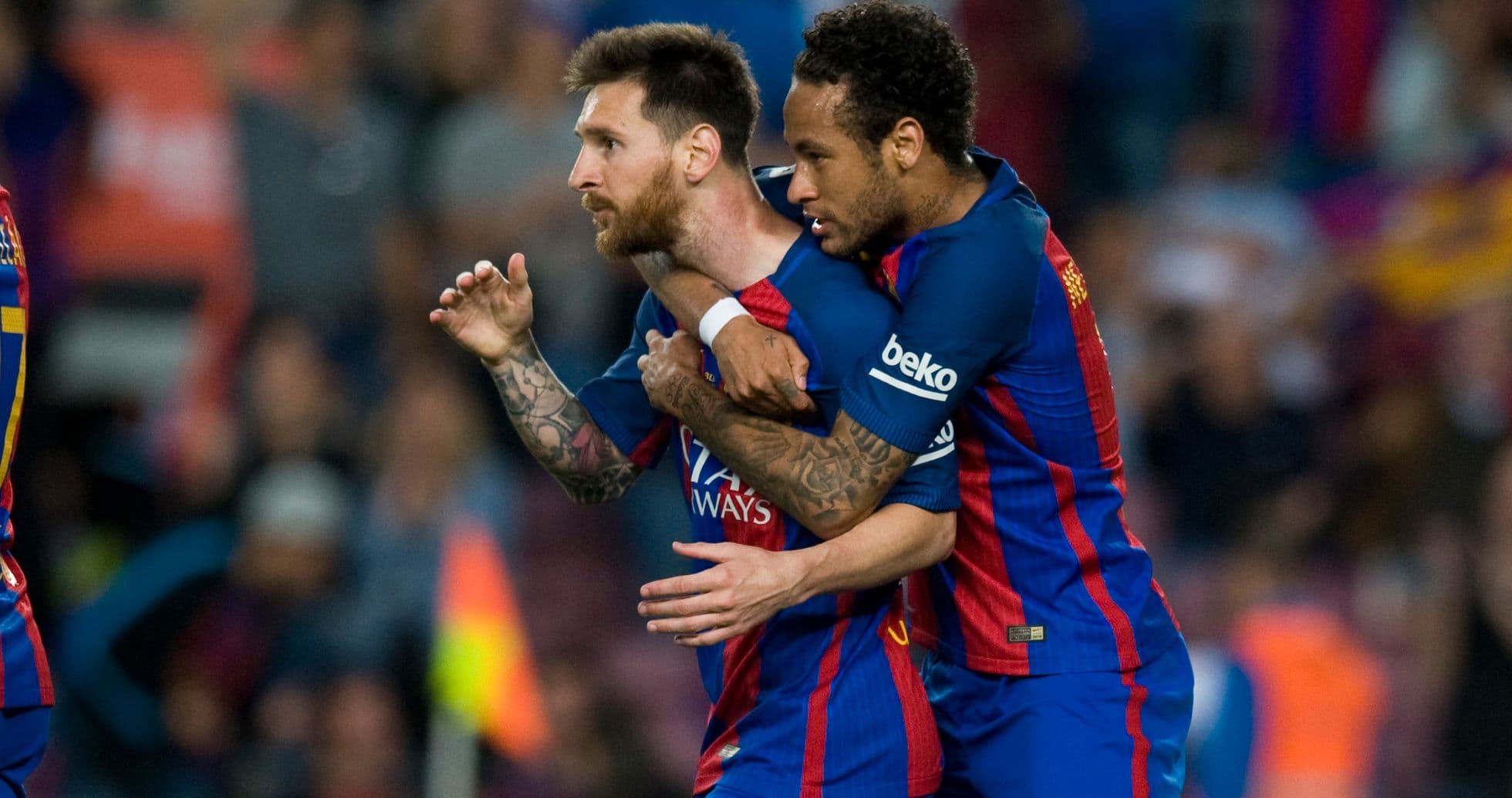
This World Cup, stretched across the United States, Mexico and Canada, is already being billed as the biggest in history. For FC Barcelona, it feels even larger. Everywhere you look, from the group stage to the touchline, there’s a trace of blaugrana. For culers, this isn’t just a global tournament. It’s an extended Barça reunion on the grandest stage.
Sixteen standard-bearers
The most obvious thread is the present-day squad. Sixteen current Barça players, spread across eight national teams, have packed their bags for the World Cup. It’s a remarkable footprint for a single club and a reminder of just how global the Camp Nou dressing room has become.
Their roles will differ. Some are nailed-on starters, others impact players, but all carry a piece of Barça’s identity into the tournament. And that’s only half the story. Once you scan the team sheets more closely, the past comes rushing back as well.
Messi, Neymar and the old friends
At the centre of it all, inevitably, stands Leo Messi. The man who defined an era in Barcelona is now defending the crown Argentina lifted in 2022. Every touch, every free-kick, every late run into the box will be watched with particular affection in Catalonia, where his legend was forged.
France, beaten finalists last time out, arrive with a Ballon d’Or holder who once wore the blaugrana: Ousmane Dembélé. The winger is one of Didier Deschamps’ headline acts, joined by another former Barça player, Lucas Digne. There is a family thread too. Marcus Thuram, son of ex-Barça defender Lilian Thuram and a former student at the FCB Escola during his father’s spell at the club, is also in the French squad. Different generation, same surname, same Barcelona echo.
Portugal bring their own cluster of Barça links. João Félix, Francisco Trincão and Nélson Semedo all feature in a side that expects to go deep into the tournament. One of their opponents in Group K, Colombia, will lean on Yerry Mina, the former Barça centre-back whose aerial power and personality made him a fan favourite in a short stay.
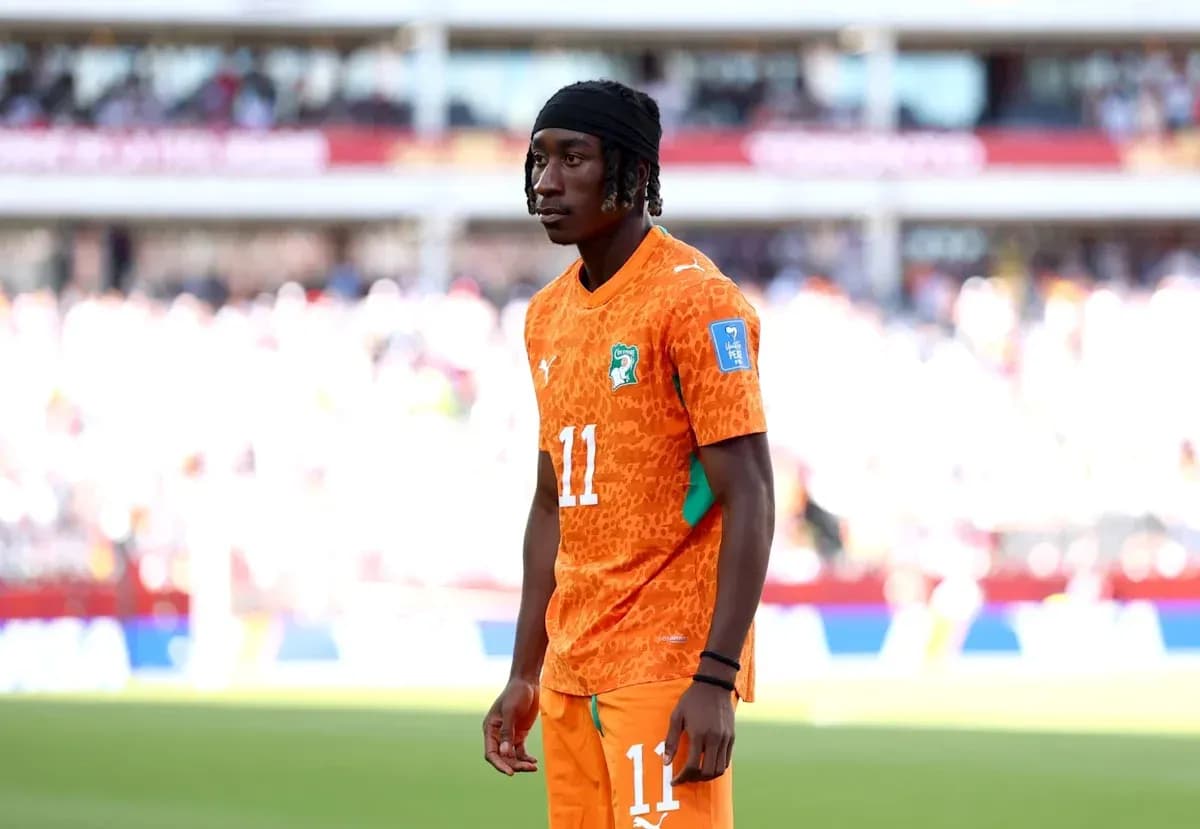
Across the draw, more familiar faces appear. Franck Kessié, once a key cog in Barcelona’s midfield, is now a central figure for Côte d’Ivoire. Sergiño Dest, the adventurous right-back who spent formative years in blaugrana, is set to patrol the flank for the United States, one of the three host nations and under intense scrutiny on home soil.
Then comes one of the biggest storylines of all: Neymar’s return to the Brazil squad. Two and a half years have passed since his last call-up, but the former Barça star still carries the aura of a headliner. Injury rules him out of the opening match, yet the Santos forward remains one of the defining faces of this World Cup.
Another attacker with Barcelona on his CV, Memphis Depay, arrives as one of the primary threats in Ronald Koeman’s Netherlands side. Now playing his club football in Brazil, Memphis brings goals, swagger and a point to prove, all under the guidance of a coach whose name is etched into Barça history.
Blaugrana on the bench
Koeman himself, the hero of Wembley ’92, returns to the global spotlight as one of three national team coaches with Barça ties. His Netherlands team will be watched closely in Catalonia, not just for their chances of a deep run, but for how Koeman’s footballing ideas have evolved.
He is not alone. Julen Lopetegui takes charge of Qatar, guiding a less traditional footballing nation into a daunting arena. Thomas Christiansen does the same with Panama, another side outside the game’s old power structure but led by a coach shaped in part by his Barcelona past.
Three very different teams. One shared link to the Camp Nou.
La Masia’s global footprint
The Barcelona presence does not end with the obvious names. It stretches back through La Masia, across continents, into squads that might otherwise escape the casual eye.
Morocco, one of the most compelling teams in recent years, will have to start without Ez Abde, who is set to miss their opening match through injury. When fit, he is one of their most dangerous wide players, a constant threat off the dribble. Alongside him, centre-back Chadi Riad, another product of Barça’s youth system, is expected to play a major role for the North Africans.
Look at Spain and the academy imprint is impossible to miss. Both left-backs, Marc Cucurella and Alejandro Grimaldo, came through La Masia. They patrol the same flank but offer different profiles, a testament to the variety of players the academy produces. Young winger Víctor Muñoz, also a Barça graduate and currently recovering from injury, adds yet another thread to that Spanish connection.
The reach extends far beyond Europe. Uruguay defender Santi Bueno carries the La Masia schooling into a team built on grit and tactical discipline. Japan’s Take Kubo, once a bright hope in Barça’s youth ranks, now lights up the flanks for a nation that has grown used to upsetting bigger names.
Paraguay lean on Antonio Sanabria, their leading striker and another former La Masia forward, while South Korea’s midfield includes Seung-Ho Paik, once regarded as one of the academy’s most promising prospects. Different countries, different styles, same formative education.
Scan the squads and the pattern repeats. A full-back here, a winger there, a coach on the touchline, a playmaker between the lines. The names change, the influence does not.
In a World Cup that sells itself on size and spectacle, Barça’s imprint provides a subtler storyline: one club’s philosophy, scattered across a continent-spanning tournament. For supporters in Catalonia and beyond, the question is no longer whether Barcelona will be visible this summer.
It’s which piece of Barça will define the World Cup’s biggest moments.