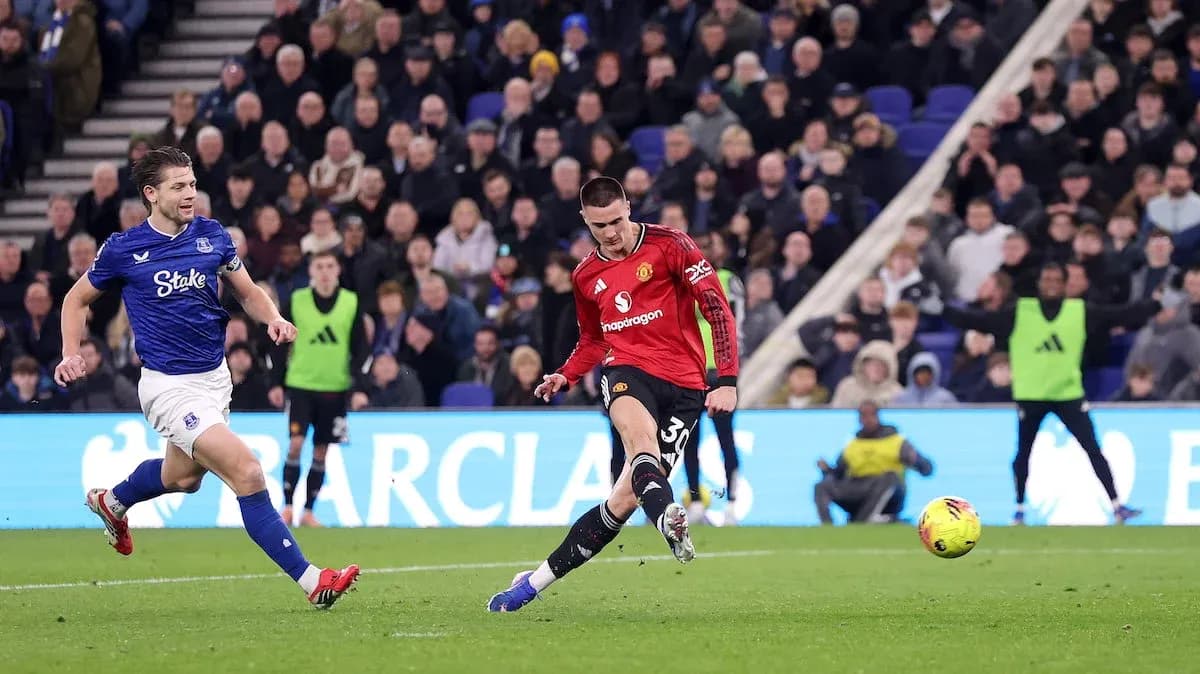
Everton vs Manchester United: Premier League Showdown
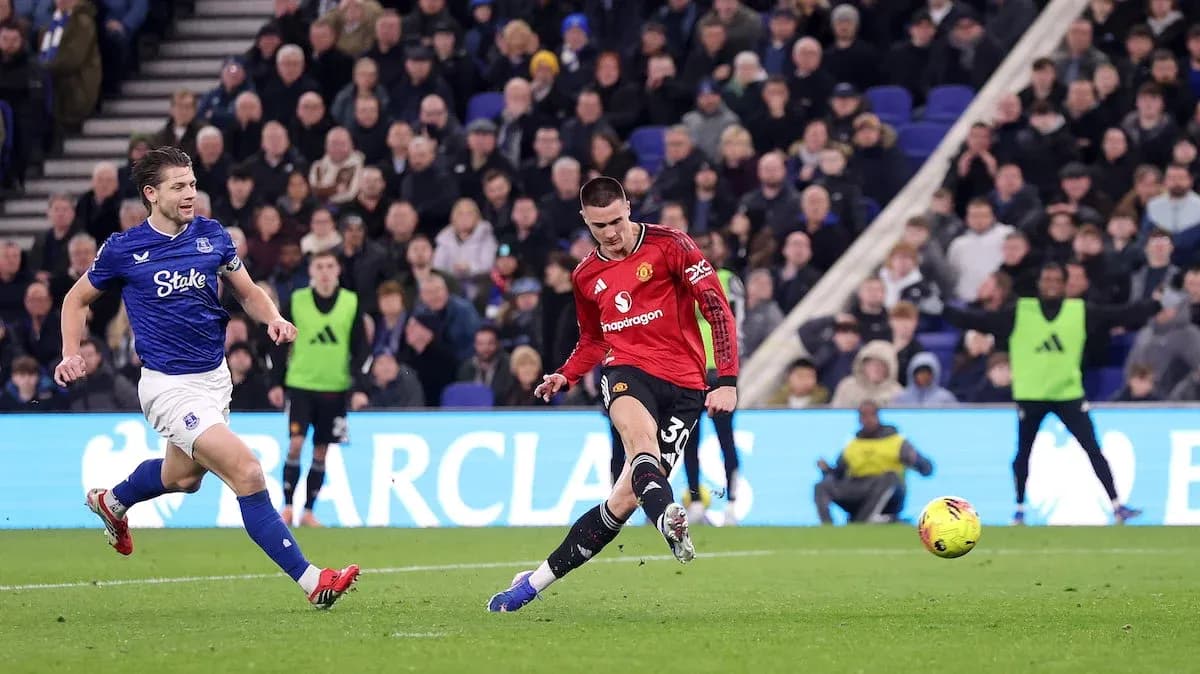
The lights will be sharp and the noise unforgiving when Everton welcome Manchester United to Hill Dickinson Stadium in Liverpool on 6 September 2026. Two games into the Premier League campaign, both clubs are still sketching out what this year will become: for Everton, a chance to turn early resilience into a genuine push up the table; for Manchester United, a test of whether their attacking firepower can be matched by defensive control. With only a point separating them and recent meetings crackling with tension, this feels like an early‑season barometer for both dugouts.
Season Context
Everton arrive in round three in a quietly encouraging position. Seventh in the Premier League with 4 points from 2 matches, they have started unbeaten (form string: DW) and boast a positive goal difference (3 scored, 1 conceded). A solid home win and a draw on the road suggest a side that has found balance early, especially at Hill Dickinson Stadium where they have already recorded a 2-0 victory (2 goals scored, 0 conceded in 1 home game).
Manchester United sit 10th, but their numbers hint at volatility rather than mediocrity. They have 3 points from 2 games (form: WL), scoring freely but leaking at the other end. Across those 2 fixtures they have hit 5 goals but shipped 4, with a thumping 5-2 home win offset by a 2-0 defeat away. The table says mid‑pack, but the goal figures scream high‑risk football.
Form & Momentum
Everton’s early rhythm has been based on control and economy. With 3 goals from 2 matches, they are averaging 1.5 per game while conceding just 0.5 (3 scored, 1 conceded over 2). That DW run speaks of a team that is hard to beat and efficient in both boxes, underlined by one clean sheet already and no game yet in which they have failed to score. The recent form indices back that impression of solidity: their defensive rating in the comparison model is notably strong, and in their last two matches they have allowed only 1 goal in total.
Manchester United’s momentum is more chaotic. The WL pattern reflects a side that can overwhelm opponents but is equally vulnerable. Their 5 goals in 2 games (2.5 per match) show real cutting edge, but conceding 4 in the same span (2 per game) points to structural issues at the back. The model’s attack index leans towards United, while Everton are rated higher defensively, capturing the clash of styles: United leaning on firepower, Everton on shape and discipline.
Head-to-Head Patterns
Recent history between these two has been tight and often tense, with margins small but momentum tilting subtly towards the visitors. In their most recent clash, Manchester United edged a narrow 1-0 away win at Hill Dickinson Stadium in the Premier League (season 2025, February 2026). Earlier that same Premier League season, Everton had stunned Old Trafford with a 1-0 away victory (0-1, Premier League, season 2025, November 2025), a reminder that they are capable of unsettling United on their own patch. Go back to the Premier League - Summer Series in August 2025 and the sides traded blows in a 2-2 draw in Atlanta (2-2, Premier League - Summer Series, season 2024, August 2025), underlining how finely balanced this fixture can be when both attacks click.
Tactical Preview
Everton’s statistical profile and lineups point towards a compact 4-2-3-1. They have used that shape in their recorded setups, and the numbers suggest a side that values structure: only 1 goal conceded in 2 league matches, plus 1 clean sheet already, shows how well-protected the back line has been. With 3 goals scored and none of their games ending scoreless from their perspective, they are not purely reactive; instead, they look like a team that picks its moments, happy to keep matches in the 1-0 or 2-1 corridor rather than trading punches in a shootout.
Manchester United also lean on a 4-2-3-1, but theirs is tilted towards attack. Two league lineups in that shape have produced 5 goals from 2 games, with the creative burden heavily carried by Bruno Fernandes. The Portuguese midfielder is already among the league’s standout performers, with 3 goals and 1 assist in just 2 appearances, plus 5 shots and 4 on target, underlining his status as United’s primary threat between the lines. Around him, United’s overall attacking index in the comparison model is higher than Everton’s, but their defensive rating is weaker, reflecting the 4 goals conceded and the absence of a single clean sheet so far.
Midfield duels will be pivotal. Everton’s engine room has shown bite and discipline, with players like J. Garner already on the disciplinary radar (1 yellow card in 2 appearances, 4 tackles made), suggesting an aggressive approach to breaking up play. On the other side, P. Dorgu’s early yellow and 4 fouls committed highlight United’s own edge in challenges, but also the risk of giving Everton set-piece platforms. Expect Everton’s double pivot to sit deep, compressing space for Fernandes, while United’s full-backs push on to overload wide areas and test Everton’s back four.
Statistical Snapshot
- Competition: Premier League, season 2026 — 6 September 2026.
- Venue: Hill Dickinson Stadium, Liverpool.
- Prediction: Win or draw — Double chance : draw or Manchester United.
- Win Probabilities: Home 10% / Draw 45% / Away 45%.
- Model: Everton 49.8 — Manchester United 50.4.
Betting Verdict
The prediction model leans towards Manchester United avoiding defeat, and the odds broadly agree. Bookmakers price an Everton win in roughly the 3.00–3.29 range, implying around a 30–33% chance, while a Manchester United victory sits nearer 2.15–2.31, translating to roughly 43–47% implied probability; the draw, around 3.15–3.60, hovers near 27–32%. Everton’s defensive steel (1 goal conceded in 2 games) and their recent ability to frustrate United suggest this will not be straightforward for the visitors, but United’s superior attacking numbers (5 goals in 2 matches and a red‑hot Bruno Fernandes) and the recent 1-0 away win at Hill Dickinson Stadium justify the “double chance: draw or Manchester United” angle. In betting terms, siding with United on the double chance market aligns with both the statistical model and the head‑to‑head narrative of narrow but frequent United success.