Dusan Vlahovic: The £30m Free Agent Without a Club
Every summer has its stragglers – good players cut loose, snapped up quickly by clubs who fancy a bargain or a reclamation project. By late July, the smarter free agents are usually shaking hands, posing with scarves, talking about “new chapters”.
And yet, as August looms, the most valuable free agent of the lot is still training on his own.
Dusan Vlahovic, 26 years old, eight full Serie A seasons behind him, double figures in each of the last six campaigns, is without a club.
On paper, it makes no sense.
A £30m Free Agent, Nowhere to Go
Transfermarkt values him at around £30m, the highest among all unattached players. That price tag is theoretical now, of course, but it captures the idea: this is not some journeyman drifting through the market. This is a striker Juventus once deemed worth up to €80m when he was just turning 22.
He has just completed four-and-a-half years in Turin after three-and-a-half at Fiorentina. That’s eight seasons of Serie A, a body of work most forwards his age can’t touch. He scores with his left, his right, his head. He can take free kicks. He can run in behind and he can play with his back to goal, carrying the ball into dangerous areas when needed.
And yet, as clubs report back for pre-season and start ticking off their transfer priorities, there is no agreement, no medical, not even a serious late-night “here we go” rumour.
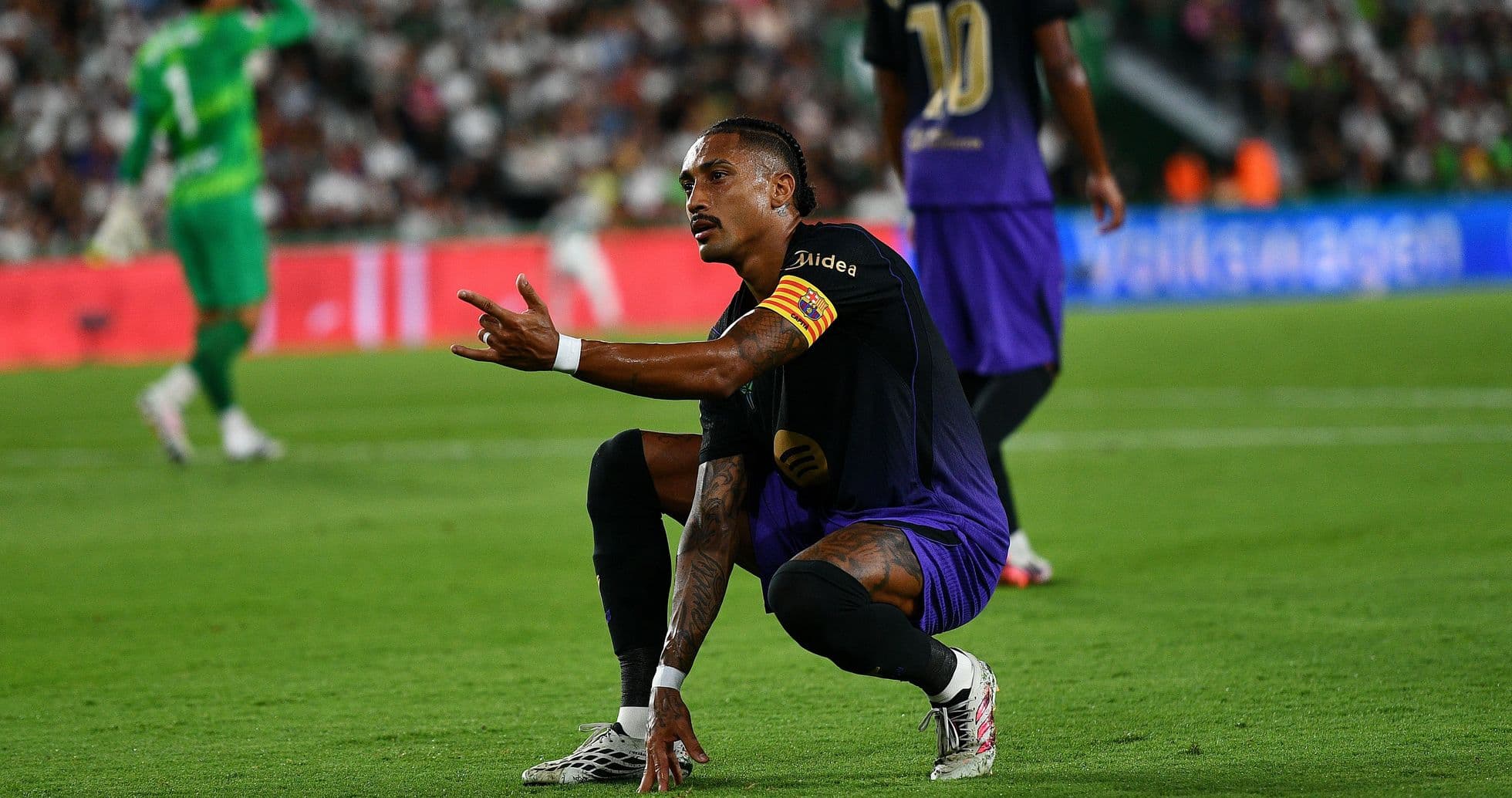
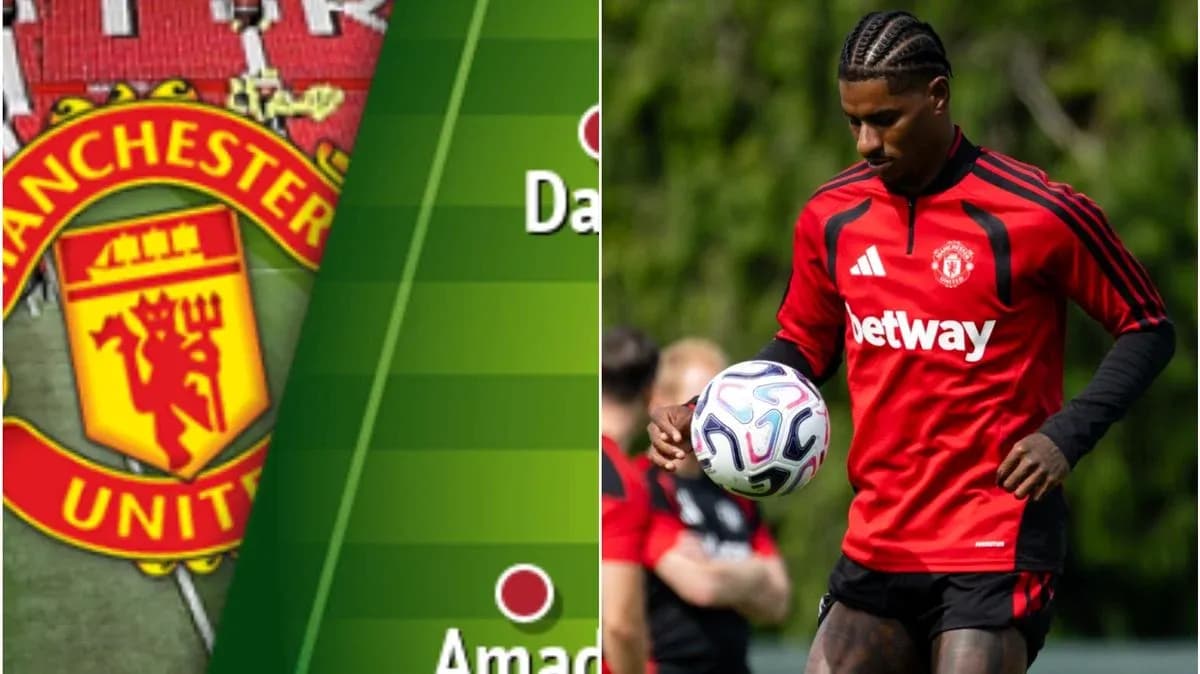
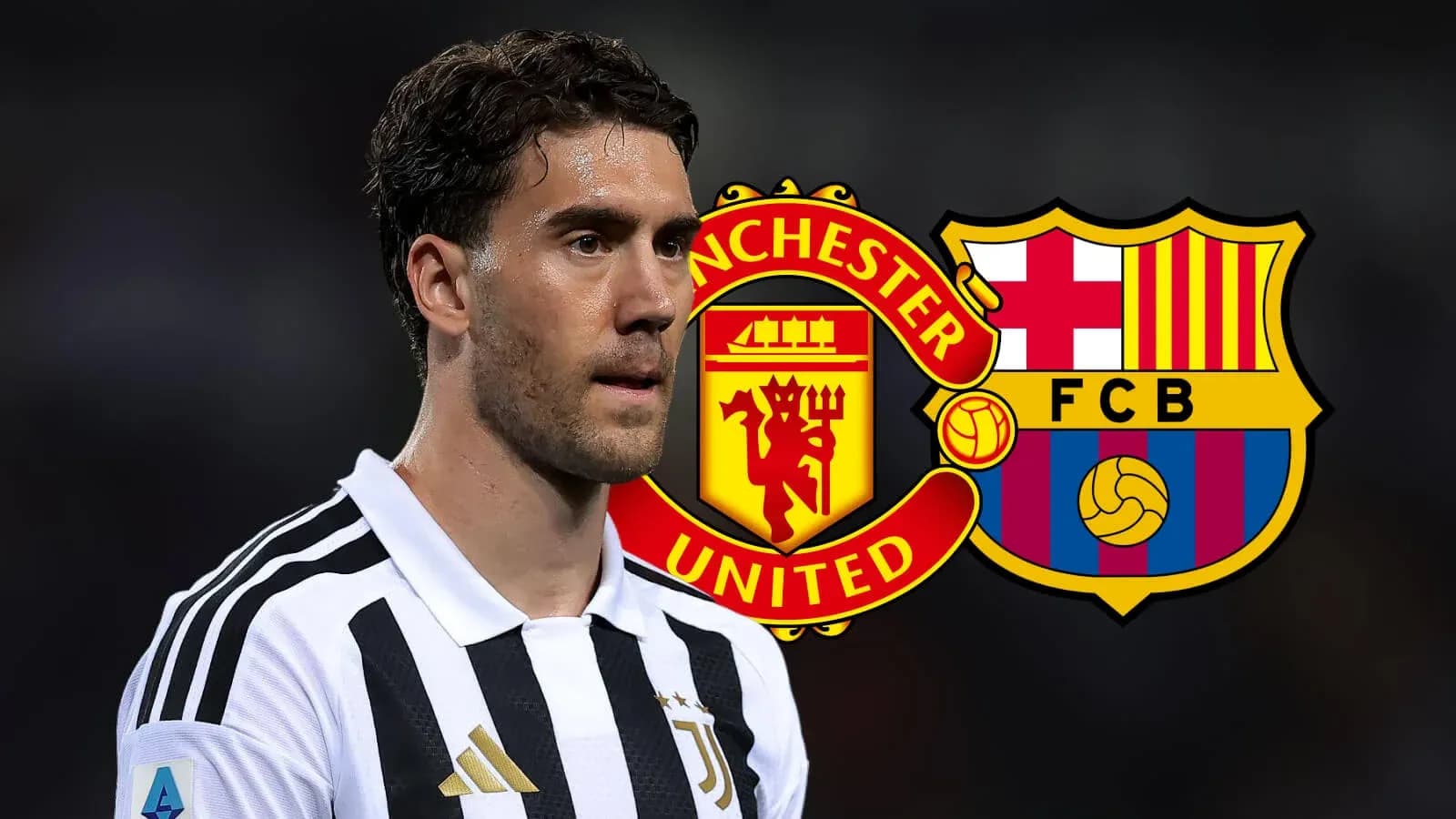
Manchester United have been mentioned. Barcelona too. But these are whispers, not negotiations.
So what’s the problem?
The Player He Is vs The Player He Was Meant to Be
With Vlahovic, the conversation always seems to come back to three versions of the same man: the player he is, the player he was supposed to become, and the player he still might be.
At Fiorentina, he looked like the next great No 9 off the production line. Tall, aggressive, ruthless in the box, he had that mix of physicality and technique that makes big clubs move quickly. Arsenal were interested. Juventus moved faster, gambling big money on a striker they thought could dominate Serie A for a decade.
He hasn’t collapsed. This isn’t a story of a prodigy who vanished. But he hasn’t exploded either.
His best league return for Juventus in a full season was 18 goals in 2023-24. Last season, he managed 10. Across his time in Turin, he averaged roughly 15 goals a season. For many clubs, that’s perfectly respectable. For a club that paid €80m and built a wage structure around him as a future superstar, it’s underwhelming.
Juve wanted a 20-goal-a-season guarantee. They got a good striker, not a devastating one.
And that is where the doubts creep in. He presses, but not relentlessly. He links play, but not with the subtlety of the very best. He scores, but not quite often enough to silence the rest of the conversation.
He is good. He has not yet been great. And at 26, the window to make that leap is still open, but it’s no longer wide.
A Wage Packet That Belongs to Another Player
If his goal record raises questions, his salary shouts the answers.
Last season, Vlahovic was not only Juventus’ highest earner, he was the top-paid player in all of Serie A. Twenty-two players on lower wages scored more goals than he did.
The numbers on his contract reflected what he was expected to become, not what he actually delivered. That gap is now haunting his search for a new club.
Even Juventus, who had invested so heavily in him, stepped back when it came to a renewal on similar terms. According to Tuttosport, he wanted around €8m a year, roughly £132,000 a week. For a striker delivering elite numbers, that’s normal. For one stuck in the “good but not quite elite” bracket, it becomes a sticking point.
Giorgio Chiellini, now a Juventus director and once Vlahovic’s teammate, put it bluntly: with those figures, he wouldn’t stay in Italy. Vlahovic, he said, was right to look elsewhere for a different type of salary.
For the very top clubs, that wage demands a guarantee of performance. For the rung below – ambitious, impatient, but not at the summit – it’s a risk they have to think long and hard about. Manchester United, for example, fit squarely into that category right now: big club, big pressure, not much margin for another expensive maybe.
Barcelona, desperately in need of a striker and offered Vlahovic as an option, hesitated for the same reason. The fee is irrelevant now. The wages are not.
Pride, Panic and the Clock
There is an obvious solution. Vlahovic can swallow his pride and lower his demands.
Reports suggest he’s prepared to do that – but selectively. He would, it’s believed, accept less to join a club like Barcelona than he would for Besiktas, one of the other names hovering in the background. That logic is easy to follow: take a cut for the chance to compete for major trophies and reboot your career at the highest level.
But on the club side, there is another calculation. If they compromise on wages, are they also compromising on quality? Are they paying near-elite money for a forward who might never quite cross that threshold?
There are only so many truly elite strikers in the world, and even fewer that clubs are willing to let go. That reality should make a player like Vlahovic – proven, still young, free – extremely attractive as the window tightens and nerves start to jangle in boardrooms across Europe.
The pressure usually tells. Someone usually blinks.
For now, though, the stalemate holds. Vlahovic waits. He can, as a free agent, sign after the transfer window closes, but that’s not how strikers with a point to prove want to start a season. They want to be in from day one, learning patterns, building chemistry, feeling the roar again.
Instead, he is drifting towards the new campaign without a badge on his chest.
For a forward who once looked destined to define an era, the idea that he could kick off 2024-25 as a spectator is more than a curiosity. It’s a warning – to him, to the clubs watching, and to anyone who still believes potential alone can carry a career.