David Healy's Potential Move to Shelbourne Amid European Ambitions
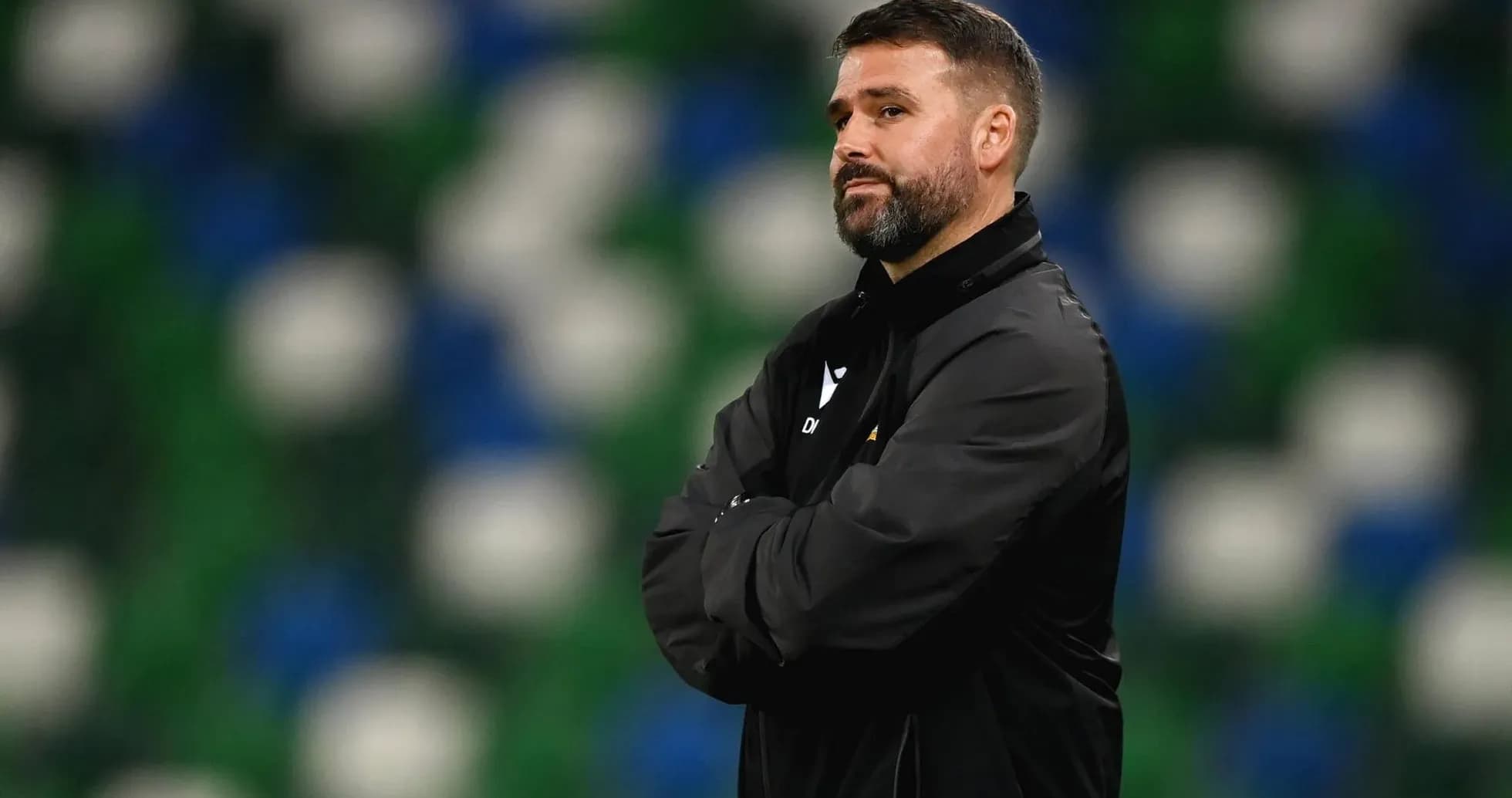
Shelbourne’s search for a new manager has taken a familiar twist – and it leads straight to Belfast and David Healy.
The irony is hard to miss. As Shels gear up for Europe, they could soon be plotting their future under the man currently trying to knock them out of it.
Healy on Shels’ radar as Linfield chase Europe
Shelbourne’s interest in the Linfield boss has moved beyond idle curiosity. It’s understood initial conversations have taken place, though no formal offer has yet landed on Healy’s desk. For now, he remains locked in on Linfield’s immediate task: overturning a 1-0 deficit against Nõmme Kalju after the Estonians edged the first leg and head to Belfast with the advantage.
Healy knows Shelbourne well. Linfield met them twice in Europe last season and lost both ties, as Shels powered their way into the league phase for the first time in the club’s history. Those games didn’t just underline Shelbourne’s growth; they also sharpened outside appreciation of the League of Ireland’s upward curve – something Healy has spoken about with clear admiration.
A decade of dominance – and an open door
Linfield appointed Healy in October 2015. Since then, he has built a domestic dynasty: six league titles, two Irish Cups, four League Cups. That kind of consistency doesn’t go unnoticed.
Clubs have circled before. The former Leeds United, Sunderland and Rangers forward – who famously scored winners against England and Spain in Euro 2008 qualifying – came close to a move to Raith Rovers earlier this year before withdrawing from the race. Dundee also explored bringing him in last season.
Linfield managed to hold their line both times, tying him down until 2028. But the contract cuts both ways. The terms allow the 46-year-old to speak to other clubs if they come calling, and that clause has now been activated as Shelbourne weigh up their next step.
They have cast the net wide, assessing several candidates, yet the expectation remains that a new manager will be in place before their European campaign begins. The clock is ticking.
Shels in limbo – but not standing still
In the meantime, U20 boss Lorcan Fitzgerald has been handed the reins on a temporary basis after Damien O’Brien’s dismissal. He hasn’t merely kept the seat warm. Under Fitzgerald, Shels have taken a point against Sligo Rovers and beaten Dundalk, steadying the ship at a delicate moment.
The fixture list offers a strange kind of breathing space. Like all of Ireland’s European entrants, Shelbourne have no league game this weekend after receiving a bye through the first round of the Europa Conference League. The pause is brief, though. An FAI Cup trip to Kerry awaits on Friday, before the club steps back onto the European stage.
By then, they would prefer not to be guessing who leads them into battle.
Healy’s warning on full-time football
If Healy does cross the border, he will arrive with a clear view of the structural gap between the leagues.
He has long argued that the League of Ireland’s move towards a fully professional Premier Division has shifted the landscape. Pointing to the recent exploits of Shamrock Rovers in Europe and Shelbourne’s own progress, he has spoken about the widening divide with the Northern Irish game.
“The gap between the leagues is big,” he said around last year’s Shelbourne ties, acknowledging how full-time structures sharpen teams for European nights in a way his own league often cannot.
He highlighted Drogheda United’s FAI Cup win and their subsequent switch to full-time status as another marker of that shift, while stressing that many clubs in Northern Ireland simply cannot afford to follow suit. Push too hard, he warned, and the foundations could crack.
The concern runs deeper than budgets. Many players north of the border are steeped in part-time, semi-professional football, balancing the game with second jobs that sometimes pay more than a full-time contract would. Demand full-time commitment across the board, and you risk losing good footballers who cannot justify walking away from their main income.
Then there is the club side of the equation: paying full-time wages, funding full-time environments, building the infrastructure to match. Without significant help from government bodies, Healy has argued, that kind of transformation is close to impossible.
A decision that cuts both ways
All of which makes Shelbourne’s interest fascinating. On one side, a club riding the wave of a rising, increasingly full-time league, with European football on the horizon and a vacancy at the top. On the other, a manager who has dominated his domestic scene but sees the ceiling of part-time structures and the realities holding his current league back.
Linfield will fight to keep him, as they have before. Shelbourne will push to have their new man in place before their European “crusade” begins.
Somewhere between Belfast and Dublin, between part-time realities and full-time ambition, David Healy has a choice to make – and it could reshape more than one season.