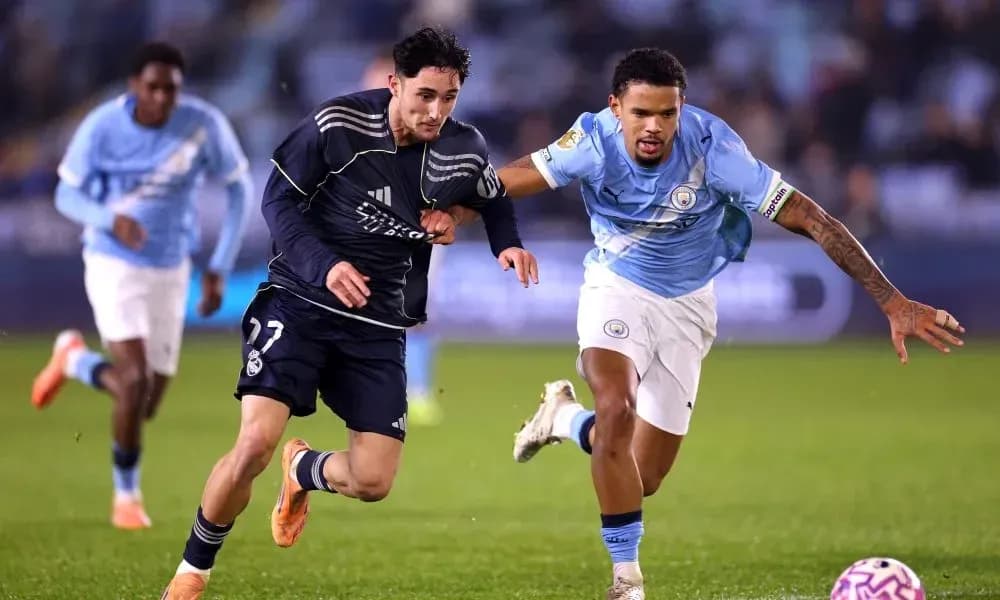
Dani Carvajal's Farewell: Real Madrid's Right-Back Future
Dani Carvajal’s long goodbye at the Santiago Bernabéu will come with a hard edge this weekend. When the captain walks off after facing Athletic Club on Saturday, it will be the last time he does so in the famous white shirt. An era at right-back closes with him.
Real Madrid lose more than a full-back. They lose a reference point. Years of dressing-room authority, a ruthless winning instinct, and the type of leadership that rarely shows up in highlight reels but often decides seasons.
The position itself will not be left vacant. Trent Alexander-Arnold is expected to continue as the first-choice right-back, the man trusted to redefine the role from deep with his passing and vision. The problem lies behind him. Madrid need a deputy, a foil, a future.
The market, for once, is not offering easy solutions.
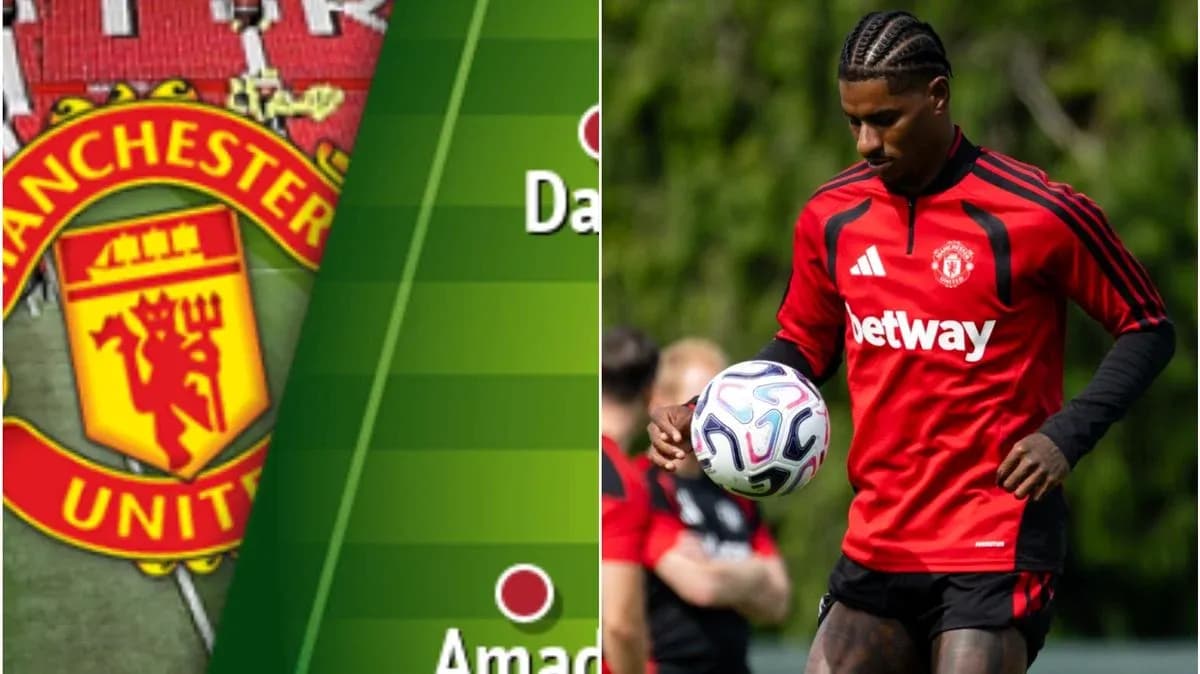
Pedro Porro, revitalised at Tottenham, fits the modern profile and has admirers at Valdebebas. So does Diogo Dalot, increasingly important at Manchester United. Both are liked. Both are, for now, out of reach. The finances, the context, the willingness of their clubs to negotiate – it all pushes Madrid away from those options.
So the gaze turns inwards.
Fortea – the bold bet
Inside La Fábrica, the name Jesús Fortea has been whispered for years with a mixture of excitement and expectation. Now, it might be time to say it out loud.
Nineteen years old. 1.75m. Fast, aggressive, attacking. Fortea is not just another academy full-back; he is the player for whom Real Madrid broke their long-standing non-aggression pact with Atlético de Madrid to prise him from their academy. That move alone underlined how highly they rated him.
He arrived at Valdebebas at 15 and was immediately tagged as the “natural heir” to Carvajal. Heavy words for a teenager. The path since then has not been as straightforward as the label suggested.
Instead of a smooth elevation through the ranks, Fortea stalled. He stayed with Real Madrid C when some expected him to jump to Castilla. When he finally reached Raúl’s team, he struggled to pin down the position, fighting for minutes and rhythm in a squad stacked with talent.
He didn’t fold.
Fortea forced his way into the side and became a key figure in the Juvenil A team that lifted the UEFA Youth League. That run, against the best academies in Europe, restored the sense that Madrid might have something special on their hands.
His game is clear: he attacks. He drives forward, combines, dribbles, and looks to hurt opponents. He carries the ball with intent, plays with personality, and never hides. Defensively, he is still a work in progress. Positioning, duels, timing in transitions – all areas that need polishing if he is to survive at the highest level.
Inside the club, though, they see him as a major investment for the future. His contract runs until 2029. That is not a casual commitment. It is a statement that, sooner or later, he is expected to knock on the first-team door and stay there.
The question is whether “sooner” has just arrived.
Jiménez – the quiet constant
On the other side of the internal debate stands David Jiménez, the antithesis in style, not in ambition.
Where Fortea excites, Jiménez reassures. Where Fortea attacks, Jiménez organises. He is described at Valdebebas as a “complete team player” and a “silent leader” – the type of footballer every coach trusts, even if he never dominates the headlines.
Jiménez joined La Fábrica in 2013 from Móstoles URJC, a boy with a clear idol: Álvaro Arbeloa. Now, Arbeloa is part of the club’s coaching structure, and Jiménez has spent the last decade climbing step by step through the youth ranks, never skipping stages, never making noise, just delivering.
That steady rise has taken him all the way to the Castilla captaincy. The armband suits him. He leads by example, by positioning, by reliability. He is not spectacular. He is not meant to be.
On 17 December, Jiménez finally crossed the line every academy player dreams of. He made his Real Madrid first-team debut in the Copa del Rey against Talavera, under Xabi Alonso. Since then he has appeared three more times, including a start against Valencia. Each outing reinforced the same impression: he doesn’t dazzle, he doesn’t panic, he simply does his job.
Inside the club, comparisons with Nacho Fernández come naturally. Solid, tidy, low-profile. A defender you rarely notice when things go well because he rarely makes mistakes. In a squad full of stars, that sort of player can be priceless.
He is 22, older than Fortea, more formed, more predictable in the best sense of the word. If the priority is immediate security behind Alexander-Arnold, Jiménez ticks a lot of boxes.
The choice after Carvajal
So Real Madrid stand at a familiar crossroads: trust the academy or look outside. This time, the external route is complicated. Porro and Dalot remain admired but distant. The money and the circumstances make both operations unlikely.
That reality pushes the club towards a decision between two very different internal solutions.
Fortea offers upside, risk, and the possibility of discovering another long-term starter developed in-house. He fits the modern, high-energy, attacking full-back mould, and his contract until 2029 gives Madrid time to shape him.
Jiménez offers continuity, calm, and the comfort of knowing exactly what you will get week after week. A Castilla captain, a quiet presence, a player in the Nacho tradition who could become a pillar in the shadows.
One represents the bold bet. The other, the safe hand.
Carvajal’s farewell will dominate the emotion of the weekend. But inside the sporting department, the real work lies just behind him, on that right flank. Who carries the weight next – the prodigy or the silent leader, or a surprise from outside – will say a lot about what kind of Real Madrid we are about to see.