Curacao vs Ivory Coast: World Cup Showdown in Philadelphia
Curacao arrive in Philadelphia still breathing in this World Cup, which is an achievement in itself after the way their tournament began. A 7–1 hammering by Germany on opening day should have buried them. Instead, Dick Advocaat’s team staggered back to their feet and then refused to fall.
They held Ecuador, ranked more than 50 places above them, to a goalless draw in Kansas City. That point kept their debut campaign alive and turned Eloy Room into a minor cult figure of this World Cup. The veteran goalkeeper produced 15 saves, a performance that felt like it belonged to a different era: one man, gloves on fire, repelling wave after wave.
Now comes Ivory Coast. A different kind of storm.
Elephants With a Point to Prove
Emerse Faé’s side land in Group E’s final matchday with control of their own fate. Second in the standings, four wins from their last five, and a sense that this is a team moving with purpose rather than drifting on talent alone.
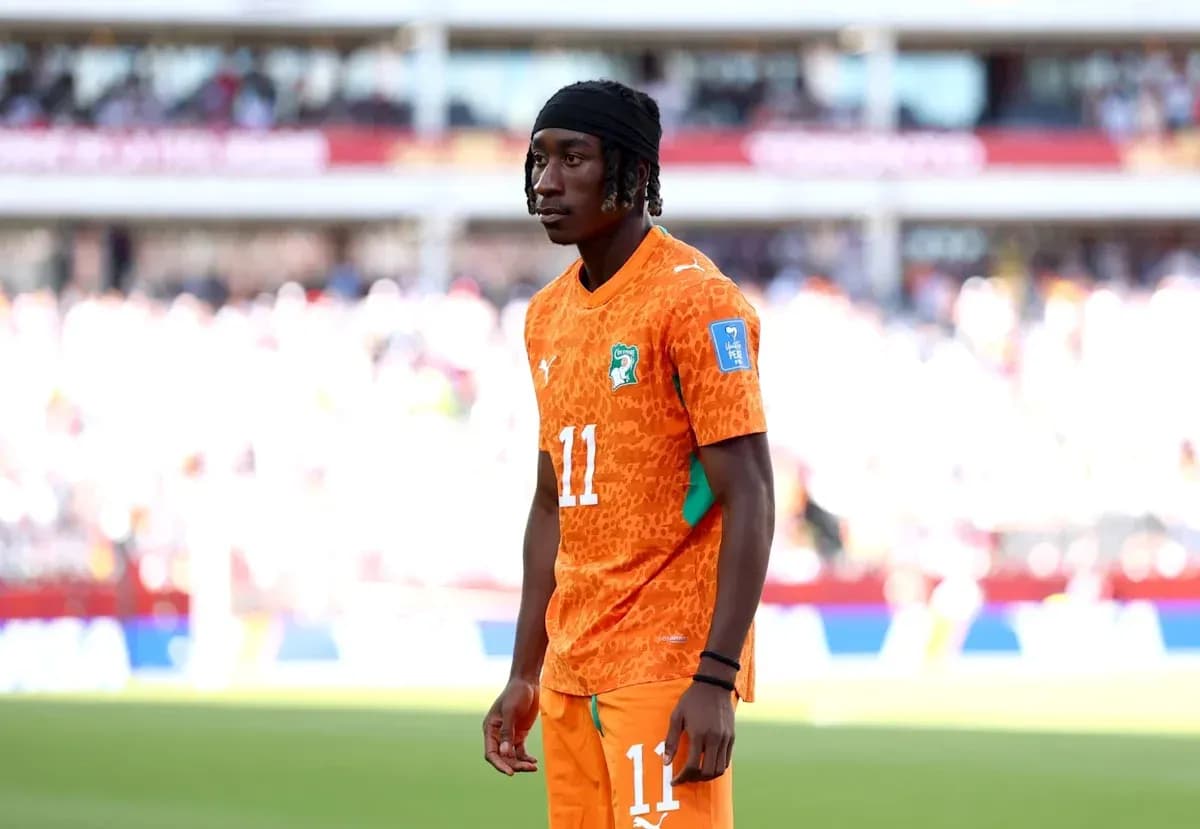
They opened with a late, nervy 1–0 win over Ecuador, settled by a Yan Diomande goal that underlined why half of Europe is watching the 19‑year‑old winger so closely. Then came Germany. Ivory Coast led, competed, and still walked away with nothing after conceding in stoppage time to lose 2–1.
That hurt. It also sharpened them.
Faé, installed full-time after the chaos and eventual glory of the 2023 AFCON triumph, has stripped away some of the volatility that defined previous Ivorian generations. This is a more disciplined, defensively reliable outfit, built around the authority of Evan Ndicka at the back and the granite presence of Franck Kessie in midfield.
Their recent form shows the balance they’re trying to strike. A 1–0 win over Ecuador. A 2–1 victory against France in a high‑profile friendly. Tight, controlled success over Scotland. A ruthless 4–0 dismantling of Republic of Korea in March. The only blemish in that stretch: a 3–2 defeat to Egypt at the Africa Cup of Nations.
Nine scored. Six conceded. Edges sharpened, not dulled.
Curacao’s Resistance vs Ivory Coast’s Rhythm
Curacao’s numbers tell a harsher story. Four defeats in their last five. Eighteen goals conceded across that run. The 7–1 collapse against Germany sits alongside a 4–1 loss to Scotland, a 5–1 defeat to Australia, and a 2–0 reverse against China.
The outlier is a 4–0 friendly win over Aruba on June 7, a reminder that Advocaat’s side do have attacking punch when the level drops. Gervane Kastaneer, so important in qualifying with his five goals, and Leandro Bacuna, provider of three assists on the road to this tournament, give Curacao a threat in transition. Jurgen Locadia offers a focal point. Tahith Chong can carry the ball and break lines.
But there is no disguising the reality. Against teams of this calibre, Curacao have had to be pragmatic, deep, and reactive. They will likely be the same again in Philadelphia, with Room braced for another long evening.
The Men Who Shape It
Ivory Coast’s strength lies in the spine and the wide threat around it.
Kessie, now at Al Ahli, remains the fulcrum. He sets the tempo, snaps into duels, and allows others to play. Ibrahim Sangare adds legs and bite, while Christ Oulai brings energy and vertical running from midfield.
Behind them, Ousmane Diomande has quickly become one of the most coveted young defenders in the world at Sporting. Odilon Kossounou and Emmanuel Agbadou give Faé options in central defence, with Wilfried Singo and Ghislain Konan stretching the pitch from full-back.
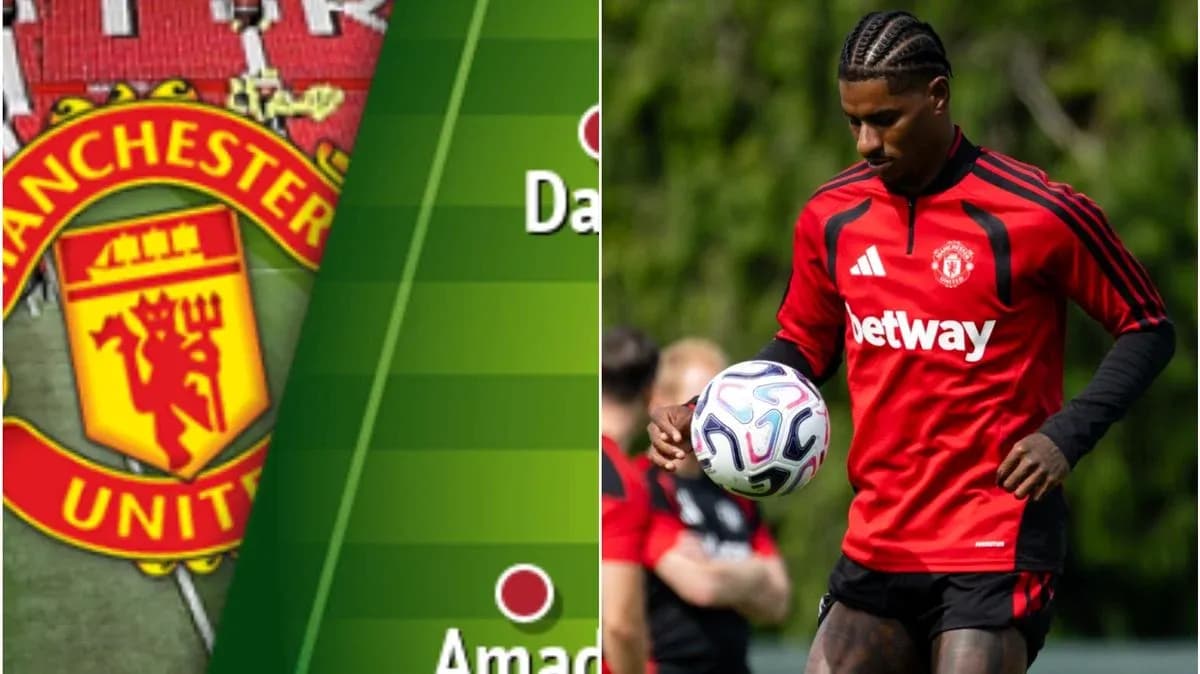
Higher up, the names jump off the page. Amad Diallo, now thriving at Manchester United under Michael Carrick, finally looks like the player his early hype promised. Simon Adingra, on loan at Monaco, is direct and incisive. Yan Diomande, still at RB Leipzig for now, is the electric wildcard who already decided one game in this tournament.
Ange-Yoan Bonny provides a physical presence up front. Nicolas Pepe, Elye Wahi, Evann Guessand and others wait in reserve, giving Faé the luxury of depth.
Curacao do not have that luxury, but they do have identity. Advocaat, the legendary Dutch coach, has leaned into structure and spirit. Room is the last line, but the likes of Joshua Brenet, Jurien Gaari, Armando Obispo and Sherel Floranus will be asked to form a compact barrier in front of him. Deveron Fonville can help protect the flanks.
In midfield, Juninho and Leandro Bacuna, Livano Comenencia and Chong are tasked with doing two jobs at once: screening and springing. They must close spaces, then in an instant find Locadia or Kastaneer on the break.
Likely Lineups, Clear Stakes
Faé has no reported injuries or suspensions and is expected to go strong with qualification within reach. A probable Ivorian XI could feature:
Yahia Fofana; Singo, Kossounou, Agbadou, Konan; Kessie, Sangare, Oulai; Amad, Bonny, Yan Diomande.
Curacao, also without reported injuries or bans, may again lean on the side that has carried them this far:
Room; Brenet, Gaari, Obispo, Floranus, Fonville; Chong, Comenencia, Bacuna, Bacuna; Locadia.
There is no history between these nations. No head-to-head record to lean on, no shared scars or memories. This is their first meeting, and it happens on the World Cup stage, with Group E’s narrative still open.
Ivory Coast sit second, expected to progress, armed with form, firepower and a coach who has tightened the screws. Curacao sit fourth, clinging to the possibility that one more night of defiance might be enough.
Room has already produced one miracle in this tournament. The question in Philadelphia is simple: can he, and Curacao, summon another against a rising African force that looks determined to make this World Cup its own?