Chelsea's Rebuild: Right-Backs in Midfield and Caicedo's Absence
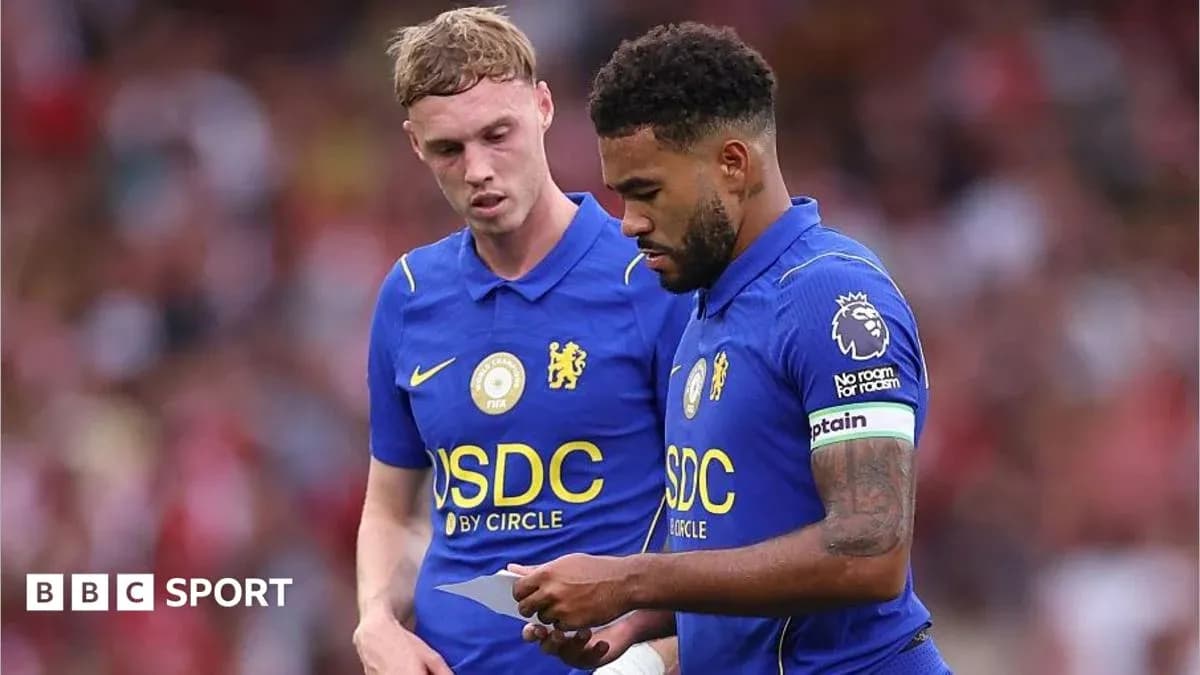
Chelsea spent £349m in the summer and still finished a statement game at Arsenal with two converted right-backs standing side by side in midfield. That image, as much as the 2-1 defeat, told the story of where this project is and where it is still creaking.
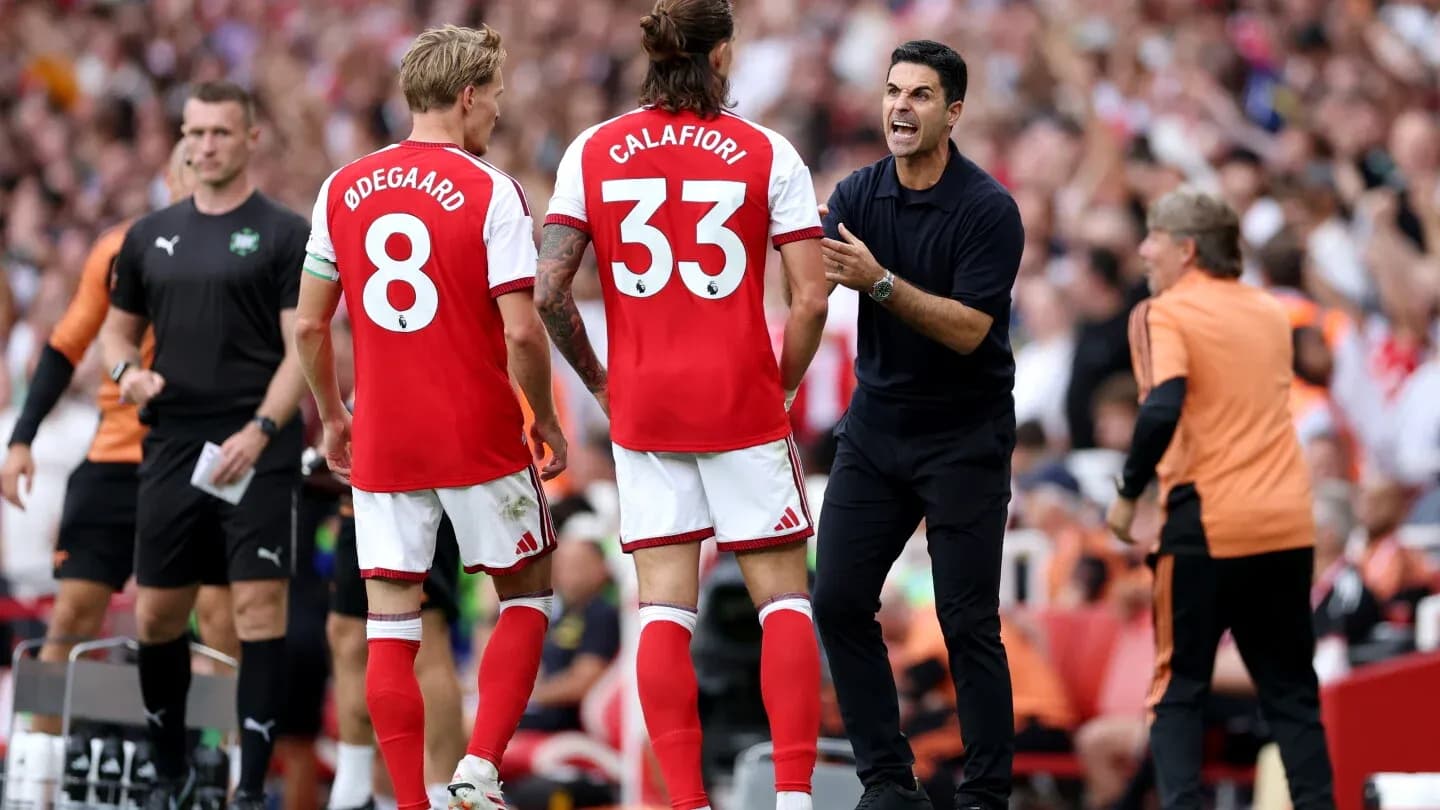
Reece James, the academy full-back reborn as Xabi Alonso’s midfield experiment, lost Martin Odegaard for the decisive moment at Emirates Stadium. One lapse, one late run, one captain untracked. Arsenal’s skipper punished him and Chelsea’s early lead vanished into another London lesson.
Alonso had talked James up before kick-off, saying he believes the 24-year-old can grow into one of the best midfielders in the world. For long spells, James backed that faith. He was sharp in tight areas, brave on the ball, and he has already spent almost half of last season learning the role.
But when the game tightened and legs tired, the picture around him looked thinner. Romeo Lavia went off, Malo Gusto came on, and suddenly Chelsea were trying to match the champions with a midfield built on two men who grew up patrolling the touchline.
Right-backs in the engine room
The end-game scene jarred with the scale of Chelsea’s rebuild. Ten first-team signings, a British-record sale, and yet Alonso turned to a right-back to cover for an injured midfielder while a natural central option watched on.
“It’s a worry,” Ashley Young told BBC Sport. “You’re finishing a game against the champions, and you’ve got two right-backs in midfield.
“You look at Lavia, who was injured a lot last season. The front line are going to send fear throughout the league but behind that you see the midfield and they’re playing right-backs there.”
Young’s point cut to the heart of it. Chelsea’s front three – Morgan Rogers, Cole Palmer and Joao Pedro – already look capable of shredding teams. Behind them, the structure is fragile. Arsenal saw the gaps between the lines, probed, and eventually broke through.
“Teams will be seeing the game today,” Young added, “seeing that Chelsea will sit in there and get men behind the ball, but there’s still spaces through the lines, and Arsenal found that out.
“Chelsea are giving up a lot of possession and they’re playing counter-attacking football. Today there was probably only once with Pedro Neto down the right side when they capitalised on the counter.”
The approach is clear: soak, spring, strike. The execution, without their main anchor, is not.
Life without Caicedo
Everything pivots on Moises Caicedo’s absence. The Ecuador international has been a near ever-present across three seasons, missing only two matches through a knock and illness. Now he is out with an unspecified injury, timeframe unknown, after breaking down 11 minutes into a substitute appearance against Brighton last week.
For a manager used to pencilling Caicedo’s name in ink, this is new ground.
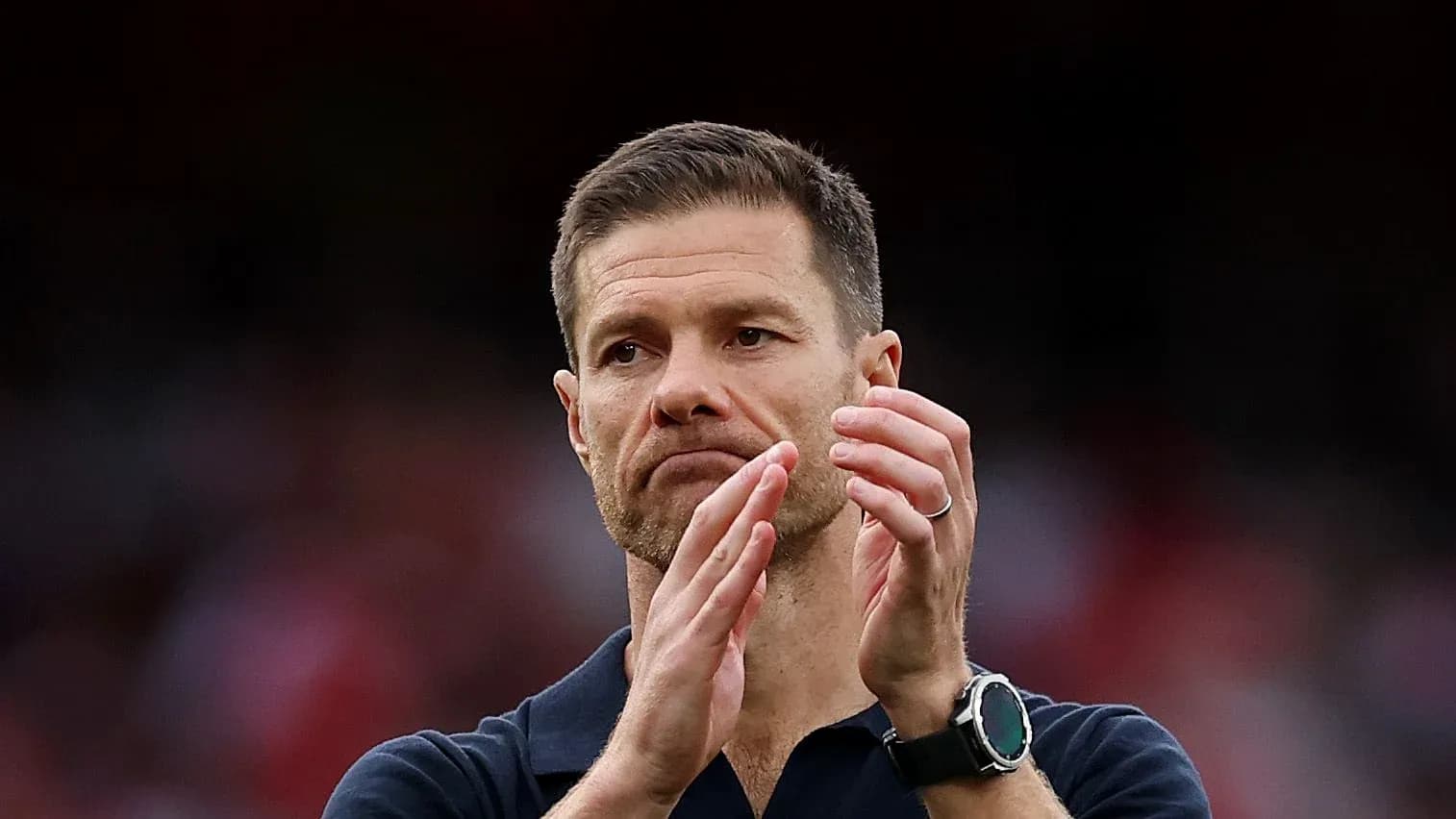
“Not longer term, but it is about assessing the risk,” Alonso said. “Probably last week we brought him back too early and I don’t want to make the same mistake again.”
Chelsea insist this is caution, not crisis. Yet the way deadline day unfolded throws up awkward questions. Did they already suspect a problem when they scrambled for midfield cover?
Monaco walked away from a £47m deal for Lamine Camara at the last moment, infuriating officials at Stamford Bridge. Bids up to £64m for Bournemouth’s Alex Scott had already been rejected earlier in the summer, while a move for France international Manu Kone collapsed when Roma head coach Gian Piero Gasperini blocked it.
Inside the club, the line is simple: Camara was a “market opportunity”, not a necessity. Chelsea maintain they were happy with their business and trust the options they have.
That stance sits uneasily with the fact they sold Enzo Fernandez to Manchester City on deadline day for £125m – a joint British-record fee – and did not bring in a like-for-like replacement. The plan, Alonso said, was always “phase one” of a longer rebuild. The reality, three games in, is a midfield stretched by one key injury and one freak accident.
Jordan Henderson, signed to add experience and control, remains sidelined with a broken arm after falling over an advertising hoarding while an unused substitute at the World Cup. That leaves Caicedo and Lavia as the only senior specialists Alonso truly trusts. When one is out and the other breaks down, the shape buckles.
Valentin Barco, a natural midfielder brought in from Strasbourg, has not yet convinced the coaching staff. He has been overlooked in all three league matches, with Gusto preferred in the role.
The numbers underline the trade-off. With Gusto starting in midfield, Chelsea saw just 25.6% of the ball in last weekend’s 4-3 win over Brighton – their lowest possession figure since records began in 2003-04. They can live on the break. Can they live like that across a season?
Attack shines, foundations shake
Alonso’s argument is that, once everyone is fit, this squad is balanced enough for a campaign without midweek European football. Five midfielders, fewer fixtures, more time on the training ground. On paper, it makes sense.
On the pitch, the tension is obvious. Chelsea have leaned heavily on their forwards in the opening weeks. Rogers, the club-record signing, struck again inside two minutes at the Emirates, becoming the first Chelsea player since Eden Hazard in 2018-19 to score or assist in each of the club’s first three Premier League games of a season.
Palmer looks sharper, more decisive, a genuine conductor in the final third. Joao Pedro is already finishing like a man who expects to score every week. This is the front line Young warned would “send fear throughout the league”.
But seven goals conceded in three games tells its own story. “We want to be tighter,” Alonso admitted. The Arsenal defeat, oddly, may have been one of Chelsea’s better displays in this 10-match winless run against their London rivals. They pressed with purpose early, they countered with threat, they stayed in the contest.
It still wasn’t enough. Arsenal, the benchmark in London and the division, found a way. Chelsea, chasing a 33-point gap from last season’s 10th-place finish, are still learning how.
Phase one, or a flaw exposed?
Alonso tried to keep perspective afterwards. “We came to win. We knew that we were not that far, but it went their way.
“It hurts, [we’re] disappointed for sure. But this is the first defeat, this is going to be a long way and it doesn’t have a big impact in our mood and in our mindset.”
The message is calm, almost defiant. The pictures on the pitch are more complicated. A £349m summer, a squad reshaped, 10 new first-team faces – and a crucial away game finished with James and Gusto plugging gaps in midfield.
Arsenal remain the standard Chelsea are chasing. The Blues beat them to Rogers, but that small transfer victory only highlighted a bigger structural concern. For all the ambition and spending, deadline day closed without the extra midfielder many inside and outside the club felt they needed.
Alonso calls this “phase one”. If Caicedo returns quickly and knits the whole system together, this may be remembered as a brief wobble in an otherwise coherent plan. If the midfield continues to creak every time an injury hits, the decision not to replace Fernandez will come under heavy fire long before the January window opens.
Chelsea have chosen their path. The next few months will show whether this was bold timing – or a gamble that leaves their season balanced on the fitness of a single holding midfielder.