
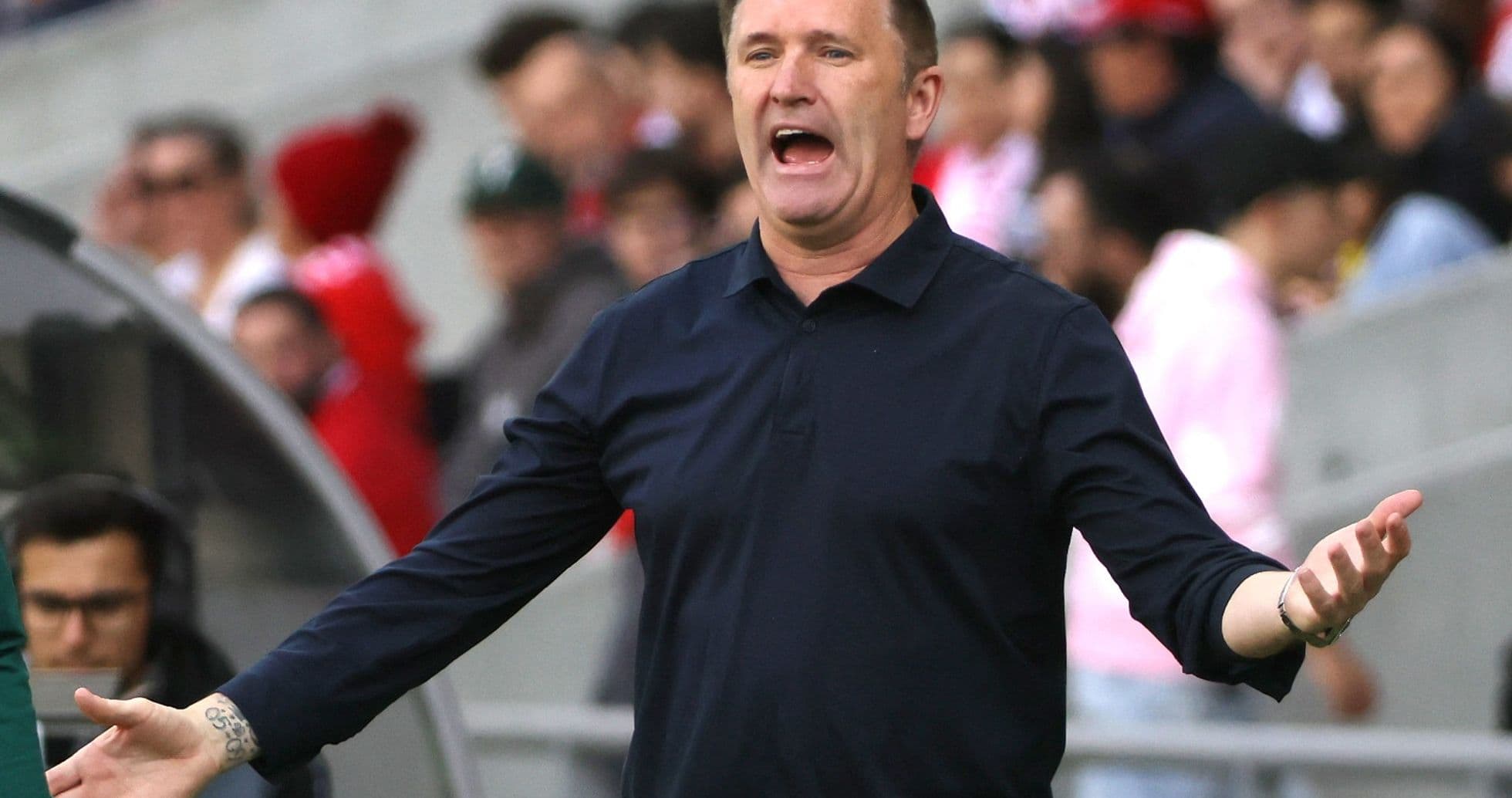
Celtic's Managerial Search: Robbie Keane and Fan Opposition
Celtic’s pursuit of Robbie Keane has collided head‑on with the politics and principles of a significant section of their own support, turning what might have been a straightforward managerial search into a charged test of the club’s identity.
Keane, Ireland’s record goalscorer and a former fans’ favourite from a prolific loan spell in Glasgow in 2010, is understood to be the leading candidate to replace interim boss Martin O’Neill after entering talks with principal shareholder Dermot Desmond. On football terms, the fit is obvious: a big name, a title‑winner in his last job, a figure with history at the club.
The reaction outside the stadium tells a very different story.
A manager in the frame, a fanbase in revolt
As reports of discussions with Keane gathered pace, graffiti and banners began appearing around Celtic Park, explicitly rejecting the idea of him taking the job. The anger stems from his decision to manage Maccabi Tel Aviv and, crucially, to remain in Israel after the outbreak of the war in Gaza.
Celtic supporters have been among the most visibly pro‑Palestinian fanbases in Europe. Palestinian flags have become a familiar sight at Celtic matches during the conflict, an extension of a political and cultural identity that many fans see as inseparable from the club’s roots.
So when Keane, appointed by Maccabi in June 2023, chose to stay in his role after the Hamas‑led attacks of October 7 and the subsequent bombardment of Gaza, criticism followed in Ireland and, increasingly, in Glasgow. For a vocal section of Celtic’s support, that decision is not something that can be parked at the door of the dugout.
Organised opposition gathers pace
The backlash has not been limited to scattered slogans on walls. A group calling itself “Celtic Fans for the Liberation of Palestine” released a detailed statement condemning the prospect of Keane’s appointment, describing it as “deeply divisive among the support”.
“Celtic supporters have a long and proud history of solidarity with the Palestinian people,” the statement read. “For us, Robbie Keane’s decision to manage Maccabi Tel Aviv during the genocide in Gaza is impossible to ignore.
“To choose to manage a club in Israel while, less than 40 miles away, the same country was using indiscriminate weapons of mass murder against defenceless people is unconscionable.
“Celtic was founded by a community shaped by the legacy of genocide, displacement and famine. Our club’s roots lie in solidarity with those who suffered injustice and oppression.
“We urge the Celtic board to listen to supporters’ concerns and reconsider this appointment.”
The message has gathered significant backing. The “North Curve Celtic” account on X, which represents the club’s ultras and is often at the heart of political displays at matches, published a list of 67 groups it says have endorsed the statement. That level of organisation and unity underlines the scale of resistance the board would face if it presses ahead.
Keane’s stance and Celtic’s dilemma
Keane guided Maccabi Tel Aviv to a league and cup double before resigning in 2024 and moving on to Hungarian side Ferencvaros later that year. On the pitch, his record is strong. Off it, his explanation for staying the full season has done little to calm critics.
“I have a duty of care,” he said, highlighting the backroom staff who followed him to Israel. “My analyst, for example, was at Middlesbrough for 12 years. For him to come with me to Israel and then for me to just walk away, leaving him and his family.”
For many Celtic fans, that reasoning sits uneasily alongside the images and reports from Gaza they have watched for months. For the board, it poses a stark question: is the managerial candidate’s track record enough to outweigh the moral and political fault line his appointment would open up?
Celtic’s history looms large over the debate. The club was founded in the late 19th century to support Glasgow’s impoverished Irish Catholic community, a story of migration, hardship and solidarity that still shapes how many supporters see their role. The Palestinian cause has been woven into that narrative for years; it is not a recent bolt‑on.
Now, as the Scottish champions look to build on a title‑winning season under the 74‑year‑old O’Neill, who also delivered the Scottish Cup in his interim spell, the next step is anything but straightforward. On one side, a high‑profile candidate with a Celtic past and a winning pedigree. On the other, a mobilised, politically driven support that has made its stance unmistakably clear.
The board can still turn away from Keane and seek a less contentious option. Or it can push through the appointment and brace for a storm from its own stands.
Either way, the decision will say as much about what Celtic want to be off the pitch as it will about how they plan to win on it.




