Carlos Cordeiro Resigns from FIFA Over World Cup Privatization
Carlos Cordeiro, the man who carried FIFA’s flag into the White House’s World Cup Task Force, has walked away from the job — and done so with a protest note aimed squarely at his boss.
The senior FIFA advisor has resigned over Gianni Infantino’s push to sell a stake in the World Cup to private investors, saying he cannot stand by while the president of world soccer’s governing body tries to part-privatize its crown jewel. In his statement, Cordeiro urged others inside FIFA to speak up as well, turning a quiet internal disagreement into an open challenge.
At the heart of the dispute sits Infantino’s plan to bring in outside capital, with a group of investors anchored by Joshua Kushner — brother of U.S. President Donald Trump’s son-in-law Jared Kushner — at the front of the queue. The proposal would hand a slice of World Cup commercial rights to private equity, tying football’s biggest tournament to Wall Street-style returns.
For Cordeiro, who has frequently accompanied Infantino on working visits to the White House in recent years, the move crosses a line. His resignation lands as a rare public rebuke from inside FIFA’s own inner circle, from someone who has been both an ally and a visible face of its outreach in Washington.
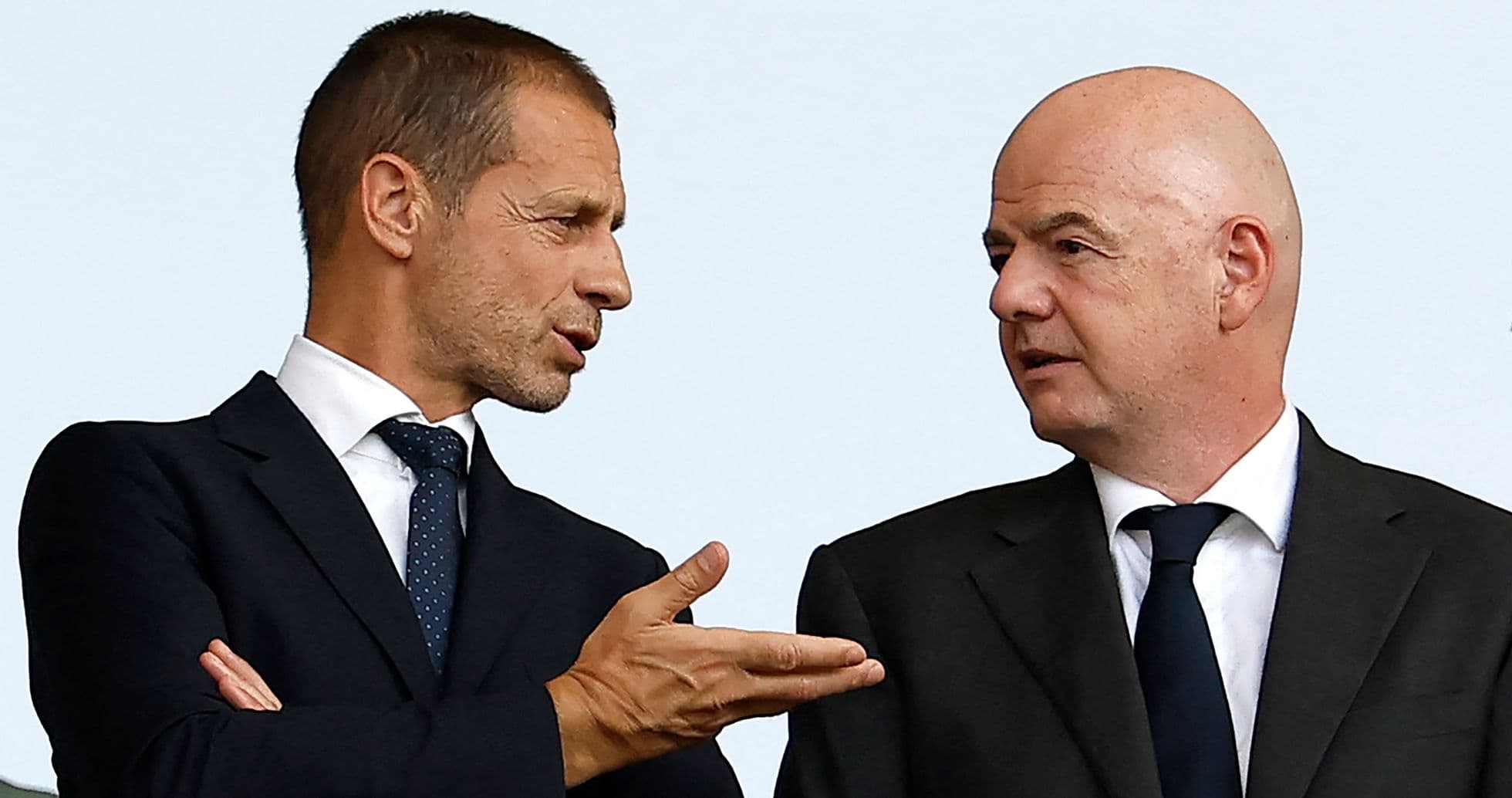
The backlash is not limited to one man’s conscience. Europe’s and Asia’s official governing bodies have already taken a drastic stance, declaring they will boycott all FIFA events unless Infantino shelves the plan. That threat drags the debate from boardroom theory into the realm of competitive reality: without UEFA and the Asian confederation, FIFA’s calendar would be stripped of much of its sporting and commercial weight.
Critics of the deal see a simple, stark risk. Hand the World Cup to private investors, and the balance tilts toward revenue first, everything else second. They fear that once profit targets take hold, the tournament’s sporting integrity, competitive structure, and even its global accessibility could bend to the demands of shareholders.
They are also angered by how the proposal has been rolled out. Infantino’s handling of the process has drawn sharp reactions from those who believe such a seismic change to football’s showpiece should be debated transparently, not driven through from the top.
Cordeiro’s resignation turns that unease into a direct confrontation. The question now is whether his departure becomes an isolated act of dissent — or the first crack in Infantino’s grip on the future of the World Cup.