Belgium's Tactical Efficiency Defeats USA in Round of 16
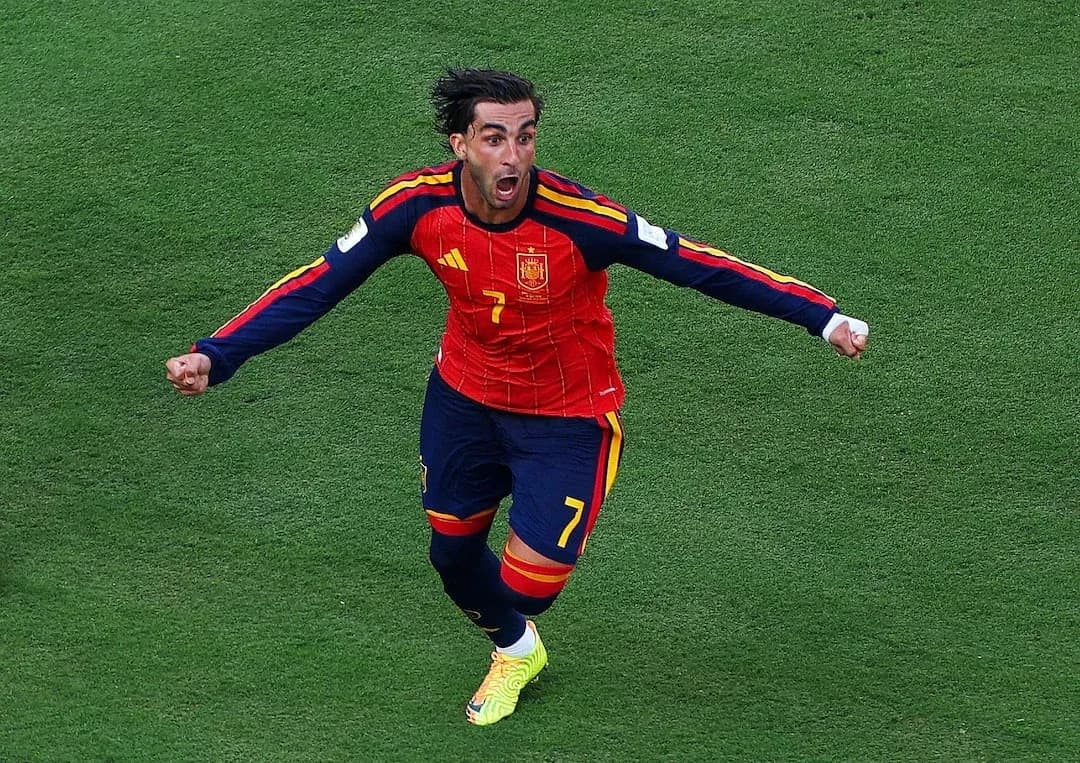
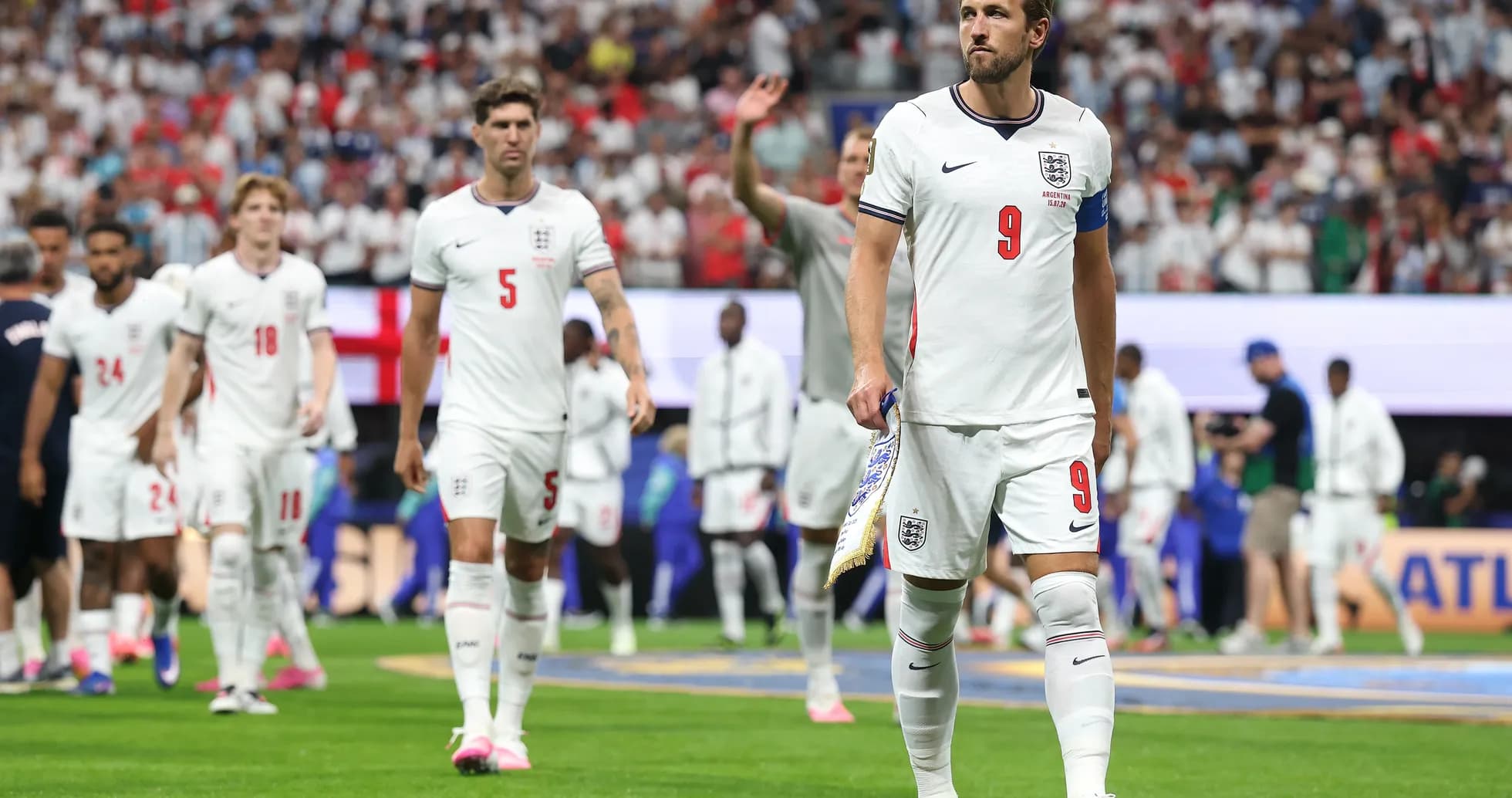
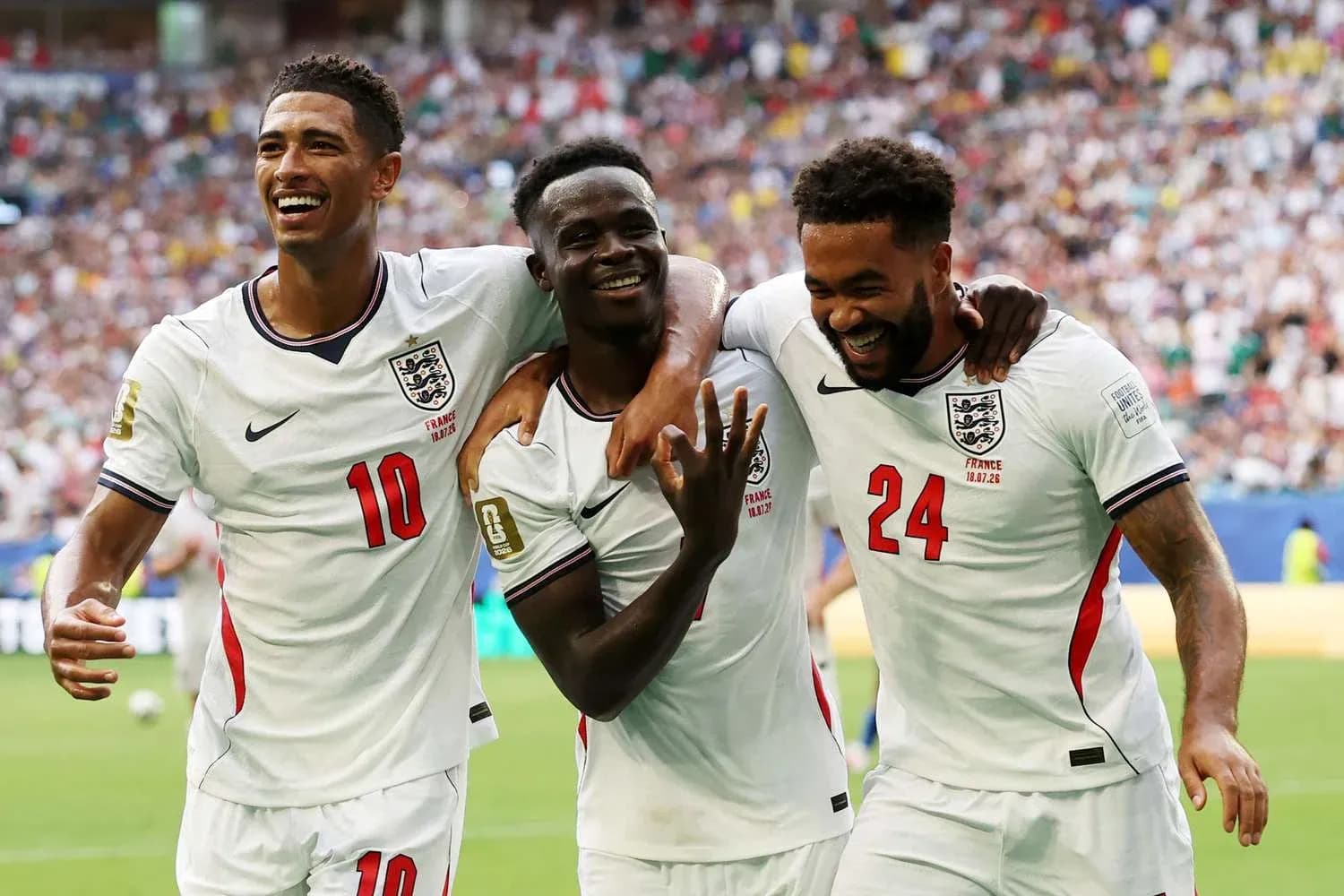
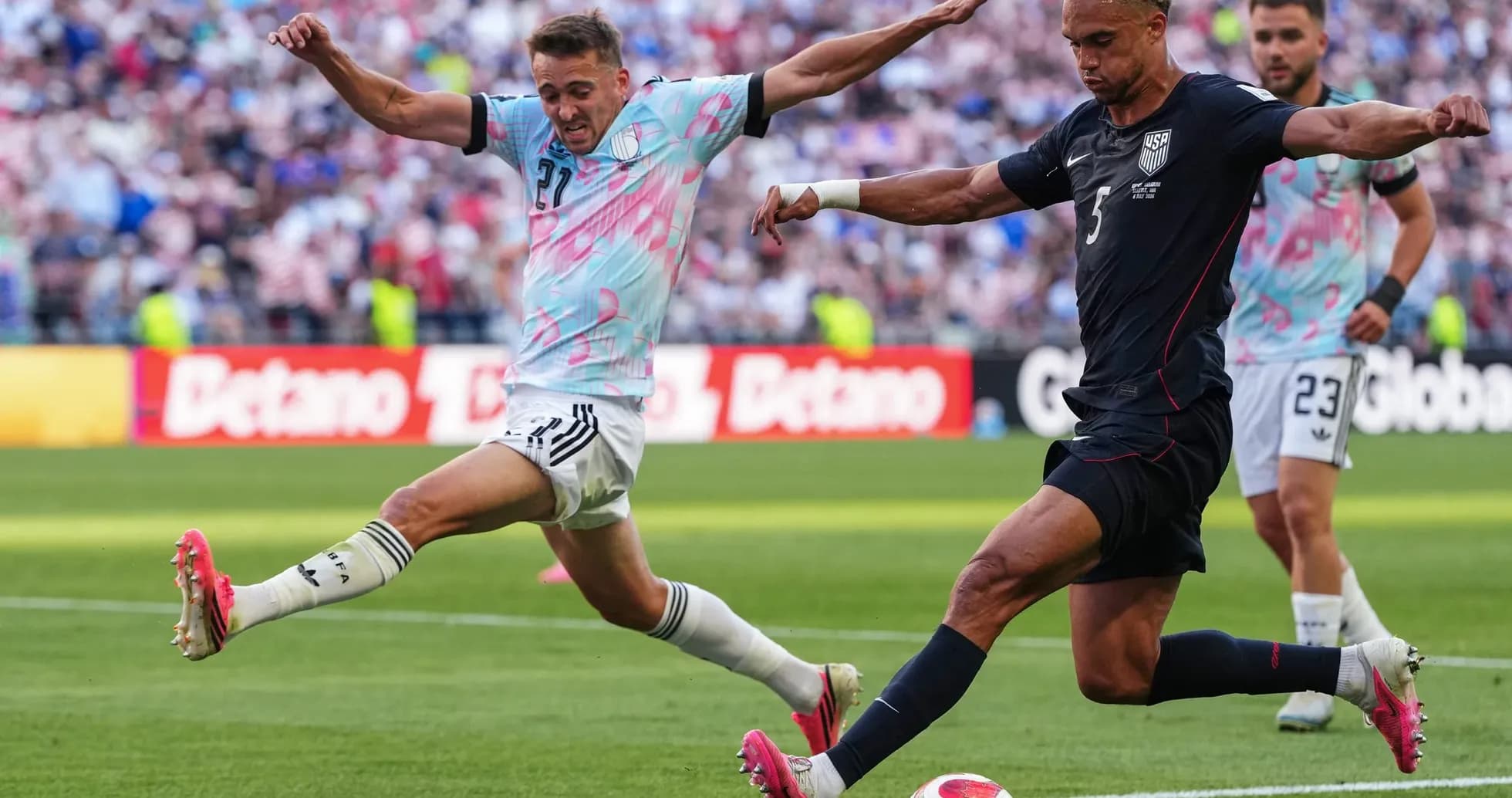
USA’s Round of 16 defeat to Belgium at Lumen Field was defined less by possession and structure, and more by what each side did in the decisive zones. USA had 56% of the ball, completed 527 passes at 87% accuracy, and shaped up in a 4-3-3 under Mauricio Pochettino. Belgium, with 44% possession and a 4-2-3-1 under Rudi Garcia, were more direct, more vertical, and vastly more efficient, turning 15 total shots (10 inside the box) into a 4-1 win backed by 2.15 xG against USA’s 0.67.
USA's Structure
Structurally, USA’s 4-3-3 was built around Tyler Adams as the single pivot, with Weston McKennie and Malik Tillman as advanced interiors and Christian Pulišić, Sergiño Dest and Folarin Balogun forming the front line. On paper this offered central stability and width, but in practice Belgium repeatedly found ways to attack the channels around the American double-act of full-backs and outside centre-backs. With Antonee Robinson and Dest pushed high to provide width, Belgium targeted the spaces behind them via Charles De Ketelaere’s movements off the front and Leandro Trossard’s drifting from the left.
Belgium's Approach
Belgium’s 4-2-3-1 was compact and ruthlessly vertical. Amadou Onana and Nicolas Raskin sat as the double pivot, screening central zones and forcing USA to circulate in front rather than through them. Ahead, Dodi Lukebakio and Trossard held wide starting positions, with Youri Tielemans between the lines and De Ketelaere as the nominal striker. The key tactical feature was De Ketelaere’s freedom: he often dropped into the right half-space to overload Adams and the right-sided centre-back, then spun in behind once Belgium broke the first American line.
Shooting Efficiency
This approach was reflected in the shot profile. Belgium produced 15 total shots, 10 from inside the box, compared with USA’s 7 shots, 5 inside the box. Belgium’s higher xG of 2.15 underlines that these were not speculative efforts but repeated entries into prime finishing zones. USA, by contrast, generated just 0.67 xG, their attacks too often ending in low-probability shots or blocked lanes, and they recorded 0 blocked shots to Belgium’s 4, an indicator of how little penalty-box pressure they truly sustained.
Goalkeeping Performance
In goal, Matthew Freese (USA) faced a heavy load behind a stretched defensive line. He made 3 saves, but with goals prevented at -0.69, the data suggests Belgium finished above expectation and that Freese was unable to add extra value beyond the basic stops. Thibaut Courtois (Belgium), by contrast, was largely protected: he was required to make only 1 save all match. Belgium’s defensive structure, anchored by Timothy Castagne, Nathan Ngoy, Brandon Mechele and Maxim De Cuyper, consistently kept USA at arm’s length and forced them into suboptimal shooting positions.
Passing Analysis
The passing figures deepen the tactical picture. USA’s 527 passes, with 458 accurate (87%), indicate long spells of controlled circulation, but much of it was sterile. Belgium’s 410 passes, 333 accurate (81%), were fewer but more vertical and incisive. When Belgium had the ball, they used it to break lines quickly; when USA had it, Belgium’s mid-block and double pivot funnelled play wide and backwards, preventing the kind of central combinations that would have allowed Balogun or Pulišić to receive on the half-turn between lines.
Set-Pieces and Rest Defence
Set-pieces and rest defence also played a role. USA earned 3 corner kicks to Belgium’s 5, but Belgium’s ability to sustain pressure after first balls was superior. With USA committing numbers forward, their rest defence behind the ball was often a simple two-versus-two or two-versus-three scenario once Belgium cleared and countered. That structural risk, combined with Belgium’s physicality and timing of runs, contributed to the volume of shots inside the box.
Discipline and Fouls
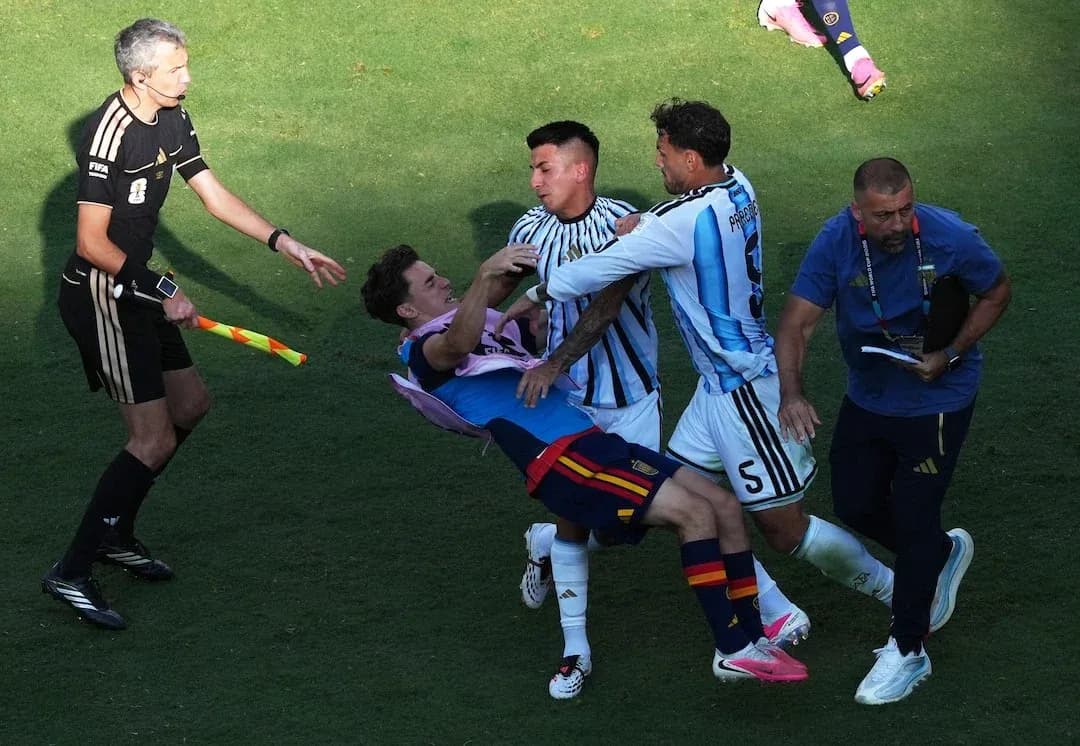
Discipline was relatively balanced but tactically relevant. USA committed 11 fouls to Belgium’s 9 and collected 2 yellow cards, both for “Tripping” (Weston McKennie and Malik Tillman). These were often transition-stopping fouls, symptomatic of USA being caught between pressing high and protecting the space behind their midfield. Belgium, who finished without a yellow card, managed their defensive duels with more control, relying on compactness rather than last-ditch interventions.
Substitutions and Tactical Adjustments
Substitutions subtly shifted roles but did not alter the overall tactical pattern. For Belgium, the introduction of Hans Vanaken for Onana at 21' moved them towards a more possession-friendly double pivot without sacrificing verticality, and later changes such as Romelu Lukaku for De Ketelaere and Jérémy Doku for Dodi Lukebakio added fresh depth running against a tiring USA back line. On the American side, bringing Giovanni Reyna for Dest at 46' and Sebastian Berhalter for Pulišić at 59' suggested a search for more central creativity and control, while later attacking changes with Ricardo Pepi and Haji Wright’s involvement (via substitutions affecting Tyler Adams and Folarin Balogun) tilted the structure towards a more direct, striker-heavy approach. However, with Belgium already in a commanding position and defending compactly, those moves translated into possession rather than penetration.
Overall, this Round of 16 match was a study in efficiency and structure. USA controlled the ball but not the spaces that mattered; Belgium controlled the spaces, and from them, the scoreboard.