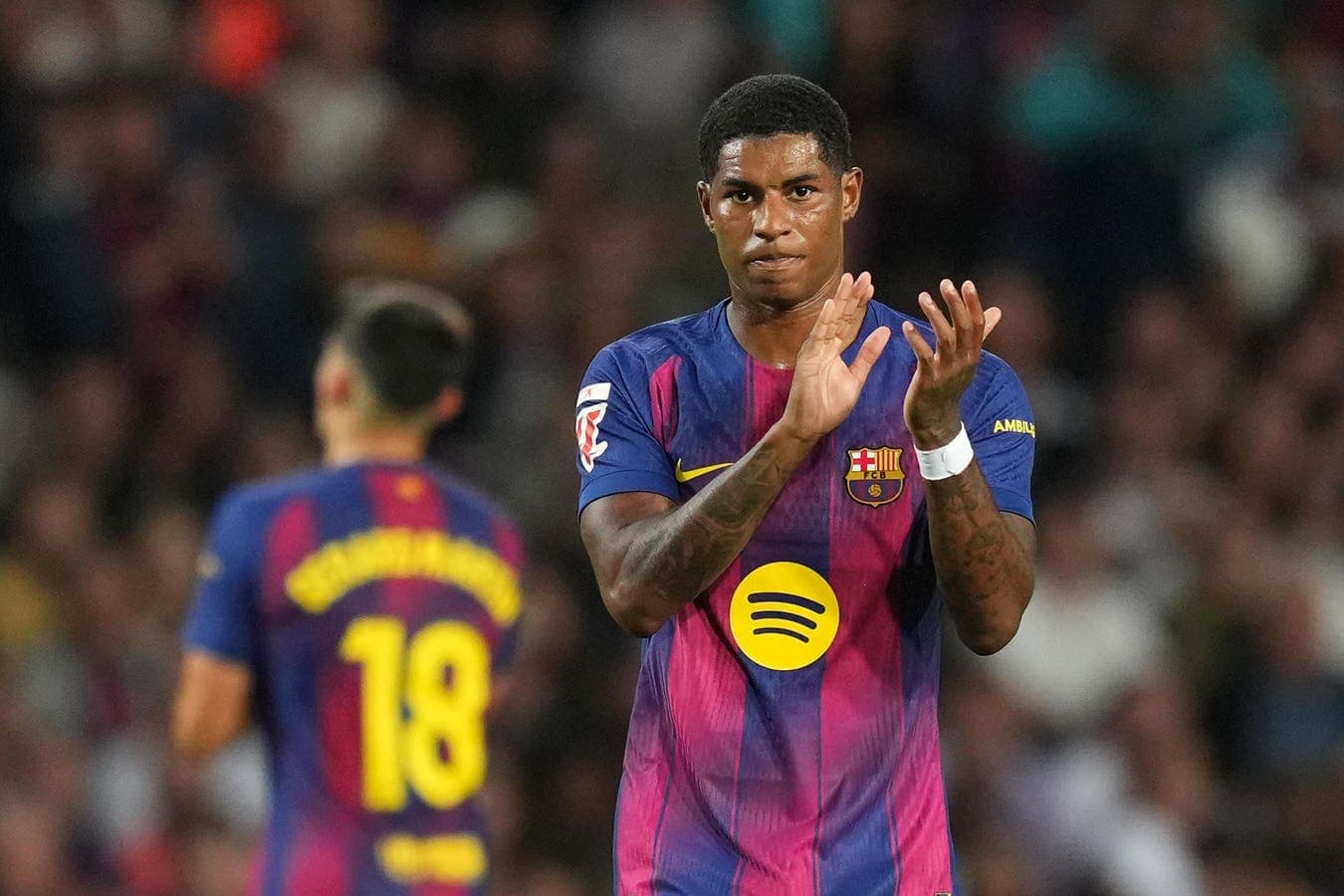
Barcelona’s Dilemma: Could Rashford and Gordon Coexist?
When Anthony Gordon’s jet touched down in Barcelona, one question immediately started circling around the Camp Nou corridors and beyond: was that the end of Marcus Rashford’s window in Catalonia, or could there really have been room for both?
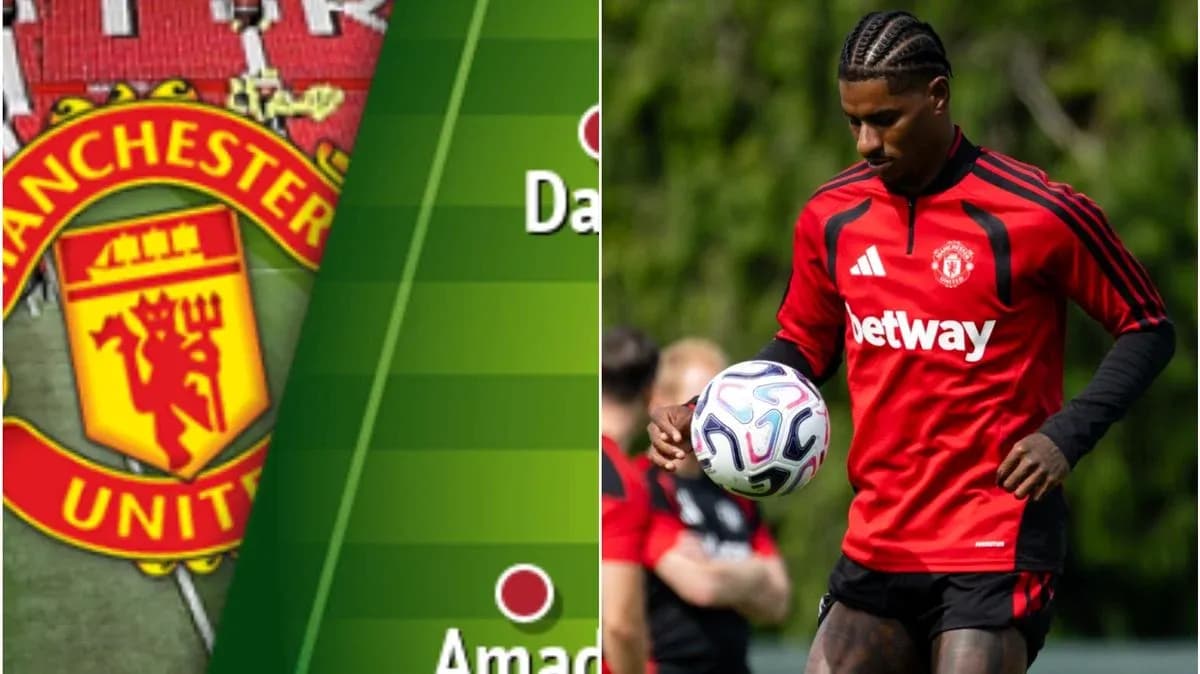
Rashford’s camp certainly didn’t sound rattled. Word from his entourage was clear enough: they knew about the Gordon deal well in advance and didn’t see it as a direct threat. The logic is simple. Gordon is a specialist wide forward, while Rashford has built a career on being the opposite – a shape-shifter across the front line, capable of operating off the left, through the middle, or even from the right when needed.
On paper, that flexibility keeps the door open. On the balance sheet, it slams it shut a little.
Gordon’s transfer fee made headlines, but the quieter, more decisive figure lies in the wage column. Rashford’s salary demands sit in a completely different bracket. Over the life of a contract, the Englishman could end up costing far more than the younger, hungrier Gordon, whose overall package looks far more manageable for a club still nursing the scars of financial excess.
That’s where the calculation changes. Gordon might be the cheaper signing in the long run, even if Rashford arrived for a lower initial fee. For Barcelona, still walking a tightrope with La Liga’s financial rules, that matters as much as any tactical diagram.
Back in Manchester, meanwhile, Rashford threatens to become a familiar headache again. His loan in Catalonia runs until June 30, and once that clock runs out, Manchester United face the same old puzzle: a high-earning star whose form, value, and role never quite align at the right moment.
The World Cup could alter that landscape. A strong tournament with the Three Lions would push Rashford back into the global shop window, his stock refreshed on the biggest stage. Clubs in need of a versatile forward would start circling. Barcelona, too, cannot be ruled out.
Deco and his recruitment team have already shown they are willing to explore creative deals. If Rashford shines and United remain open to another temporary exit, a fresh loan after June 30 is not beyond the realms of possibility. For a club that craves depth without long-term financial strain, a short-term punt on a proven international might again look attractive.
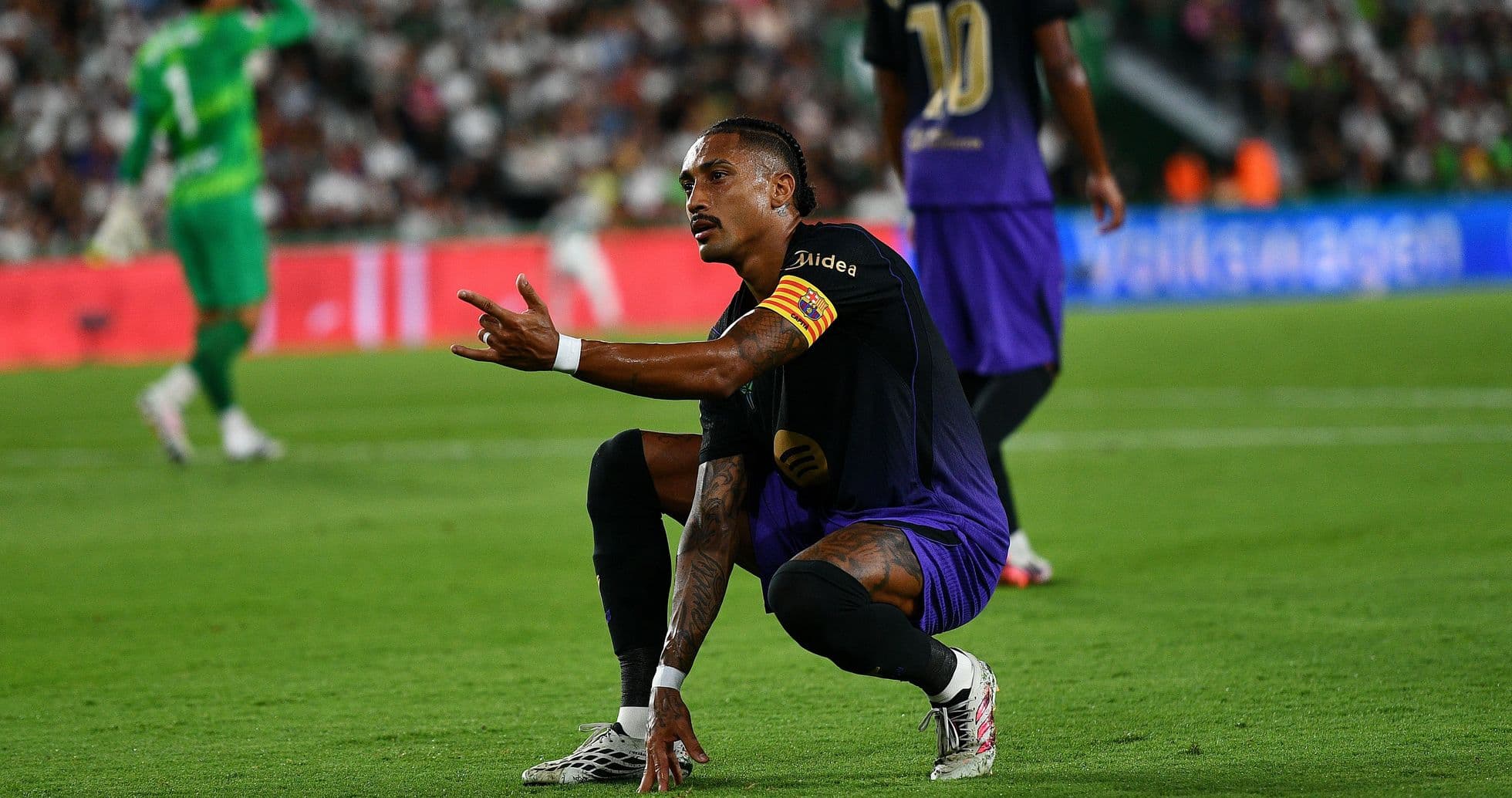
There is also the pure football argument. Barcelona’s attacking options have looked deep on paper, but reality has bitten. Raphinha and Lamine Yamal have both spent time on the treatment table, forcing the coaching staff to reshuffle the front line more often than they would like. In that context, Rashford’s ability to plug gaps becomes more than a luxury.
His assist for Robert Lewandowski against Osasuna was a reminder of that. Operating from the right channel, Rashford drove into space and picked out the Pole with precision, a moment that underlined he is not confined to his traditional left-sided berth. When fit and focused, he gives a manager options: stretch the play, attack the half-spaces, or drift centrally to link with the No. 9.
Next Big Storyline
And that No. 9 spot is about to become the next big storyline.
Lewandowski is set to vacate the shirt at the end of his spell, leaving a void that cannot be filled lightly. Barcelona’s gaze has turned to Julian Alvarez, the World Cup winner whose movement, work rate, and finishing look tailor-made for a modern, mobile front line. The idea is clear: Alvarez as the heir to the famous number, leading the attack in a new cycle.
The reality is less accommodating. Atletico Madrid and Real Madrid, who hold the Argentine’s rights, have so far blocked any serious attempt to prise him away. Every approach has hit a wall. Barcelona want a long-term focal point; the market refuses to play along.
That’s where the Rashford question comes full circle. If Alvarez remains out of reach and the club cannot secure a marquee centre-forward, Rashford’s profile becomes more intriguing. He can act as a stopgap No. 9, rotate across the front three, and cover for injured wingers without demanding a permanent tactical overhaul.
Could there have been space for both Gordon and Rashford? Tactically, yes. A left side loaded with pace and direct running, backed by a flexible forward who can slide inside or swap flanks mid-game, would give Barcelona a different, more Premier League-style edge.
Financially, it is a different story. The club’s margin for error is thin. Gordon’s relatively modest wage structure fits the current project. Rashford’s does not, unless United shoulder a significant part of the burden again.
So the decision, as ever with modern Barcelona, lies at the intersection of football and finance. Gordon is already in the building. Rashford’s future hangs on a summer of negotiations, World Cup performances, and a boardroom calculation: is one more roll of the dice on a high-earning, high-ceiling forward worth the risk in an era where every euro is counted?
The answer to that will say as much about Barcelona’s new identity as it does about Rashford’s.