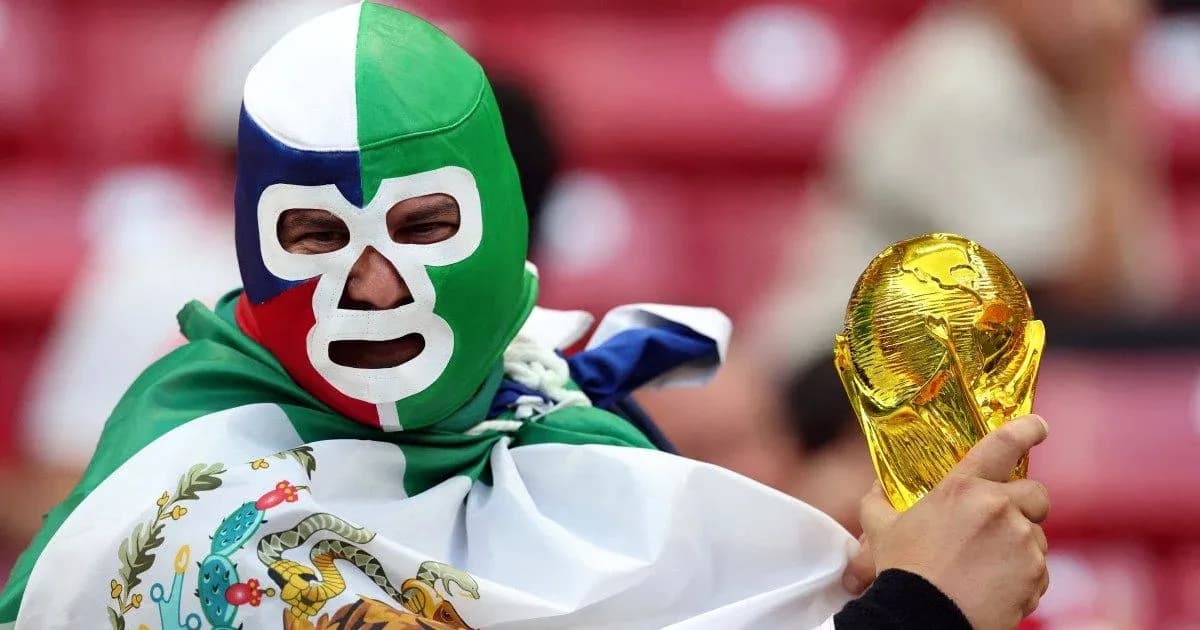
World Cup Thursday: Mexico vs South Korea Highlights Key Matchups
The World Cup rolls into a pivotal Thursday with four group-stage fixtures and a tournament already crackling with subplots: a Golden Boot race led by Lionel Messi, historic nights for Cape Verde and DR Congo, and a growing African footprint that is reshaping the feel of this World Cup.
On the pitch, the schedule is relentless:
- Czechia vs South Africa – Atlanta Stadium, Atlanta – noon (16:00 GMT)
- Switzerland vs Bosnia and Herzegovina – Los Angeles Stadium, Los Angeles – noon (19:00 GMT)
- Canada vs Qatar – Vancouver Stadium, Vancouver – 3pm (22:00 GMT)
- Mexico vs South Korea – Guadalajara Stadium, Guadalajara – 7pm (01:00 GMT Friday)
The headline act comes last. And Mexico like this matchup.
Mexico vs South Korea: El Tri backed to keep their edge
Mexico have history on their side. They have beaten South Korea in both previous World Cup meetings, including that 2-1 win at Russia 2018 that still sits fresh in the memory for both sets of supporters.
Both nations arrive with three points already in the bank and a chance to seize control of Group A. When Opta’s supercomputer ran the numbers 25,000 times, it kept coming back to the same conclusion: Mexico on top. El Tri won 49.1 percent of simulations, South Korea just 24.3 percent, with 26.6 percent ending level.
South Korea know the pattern. Mexico know the feeling. One of them can plant a flag as genuine contenders tonight.
Czechia vs South Africa: European favourites, African pedigree
Czechia and South Africa have barely shared a pitch in their histories. Just one previous meeting, and no World Cup baggage between them. The numbers, though, tilt heavily toward the Europeans.
Opta gives Czechia a 54.9 percent chance of victory and South Africa 21.8 percent, with the rest pointing to a draw. On paper, it looks straightforward.
The story on the field rarely is. South Africa’s record against European sides at the World Cup is no soft touch: only one defeat in their last four such games and a famous 2-1 win over France in 2010 still echoing through Bafana Bafana folklore.
Czechia carry their own scars. Their only previous World Cup clash with African opposition ended in a 2-0 defeat to Ghana. They go in as favourites. South Africa go in knowing they have made a habit of unsettling that label.
Switzerland vs Bosnia and Herzegovina: Favourites with a warning
Switzerland and Bosnia and Herzegovina have crossed paths only once, a friendly in Zurich in 2016. Bosnia won it 2-0, Edin Dzeko and Miralem Pjanic doing the damage. That night offers the only real reference point between the two.
This time, the stakes are far higher and the balance of expectation has shifted. In Opta’s 25,000 simulations, Switzerland won 61.6 percent of the time. Bosnia took 17 percent of those games, with 21.4 percent ending in a draw.
Switzerland arrive as a seasoned tournament side, drilled, disciplined, and used to navigating group stages. Bosnia, in contrast, carry the underdog’s edge and the memory of that 2016 win. The numbers say one thing; the past quietly whispers another.
Canada vs Qatar: Hosts backed to keep a perfect trend
History smiles on the hosts here. Every time a World Cup host nation has faced an Asian federation side, the home team has walked away with the win. Mexico over Iraq in 1986, France over Saudi Arabia in 1998, Russia over Saudi Arabia in 2018. Three games, three home victories.
Canada are tipped to extend that run. Opta’s model hands them a commanding 72.9 percent chance of victory across its simulations. A draw appears in 16.5 percent of scenarios. Qatar? Just 10.6 percent.
The numbers paint Qatar as long shots. Canada, backed by home support in Vancouver, have a chance to turn probability into statement.
Messi sets the early Golden Boot pace
The tournament’s first round has already thrown up a familiar sight: Lionel Messi at the top of the scoring charts. The Argentina captain opened with a hat-trick against Algeria, three goals that put him in front in the race for the Golden Boot.
Seven players lurk one strike behind him:
- Kylian Mbappe (France)
- Erling Haaland (Norway)
- Folarin Balogun (USA)
- Kai Havertz (Germany)
- Yasin Ayari (Sweden)
- Elijah Just (New Zealand)
- Harry Kane (England)
It is a roll call of forwards that could define this World Cup. The leading names have already announced themselves. The chase has begun.
DR Congo and Cape Verde: Newcomers, new history
Some of the most vivid moments so far have come from teams many fans rarely see on this stage.
DR Congo finally have their World Cup goal. Yoane Wissa etched his name into the country’s history with a towering header in Houston, cancelling out Joao Neves’s early strike in a 1-1 draw with Portugal, FIFA’s fifth-ranked side.
It was the Leopards’ first World Cup appearance in 52 years and their first-ever goal at the tournament. The equaliser triggered an eruption among Congolese fans in the stadium and across the globe. One point. One goal. One night they will not forget.
Cape Verde’s breakthrough carried a different flavour but no less weight. A 0-0 draw with Spain – one of the favourites for the title – stands as arguably the biggest shock of the opening round. For the World Cup debutants, it was more than a clean sheet. It was a statement: the Blue Sharks belong here.
Iran’s 2-2 draw with New Zealand also nudged expectations off course, with many having tipped Iran to dominate their Group G opener. The script is already fraying at the edges.
Colombia back with a win and a familiar swagger
Colombia’s absence from Qatar 2022 left a gap. Their return has arrived with a reminder of how dangerous they can be.
In Mexico City, they brushed aside World Cup newcomers Uzbekistan 3-1. Luis Diaz ran the show. The winger created Daniel Munoz’s opener, then struck Colombia’s second after the break. Uzbekistan briefly pushed back through Abbosbek Fayzullaev, but Colombia reasserted control and closed out the win.
The result hands them an early foothold in Group K as they chase a return to the knockout rounds. This is a team that has known the latter stages before. The first step back has been taken.
Ronaldo’s sixth World Cup starts with a stumble
Cristiano Ronaldo walked into this World Cup as part of an exclusive club. Alongside Lionel Messi, he became one of only two players to appear at six World Cups. The milestone is immense. The performance was not.
Against DR Congo, the 41-year-old had chances in the second half. He could not convert any of them. On a day when Messi, Mbappe, Haaland and Kane all found the net in their openers, Ronaldo’s blank stood out.
Portugal’s 1-1 draw leaves them with work to do in Group K. For Ronaldo, the question now is simple: how many more chances will he get to leave a final mark on this stage?
Hydration breaks: welfare or momentum killer?
The heat in the US, Canada and Mexico has forced FIFA to act. Hydration breaks have been introduced to protect players from the worst of the summer conditions. The move has not gone down smoothly with everyone.
The flashpoint came in Houston. Curacao scored against Germany, then hit a mandated break. When play resumed, Germany struck twice before half-time and went on to win 7-1. For many, the pause changed everything.
Alan Shearer argued the stoppage “killed their momentum”. Roy Keane likened the breaks to timeouts, the kind that chop up play in other sports and, in his view, erode the constant rhythm that makes football different.
FIFA insists the focus is player welfare. Critics see tactical huddles, extra instructions, and more room for broadcasters. The debate is not going away.
A World Cup shaped by African presence and diaspora
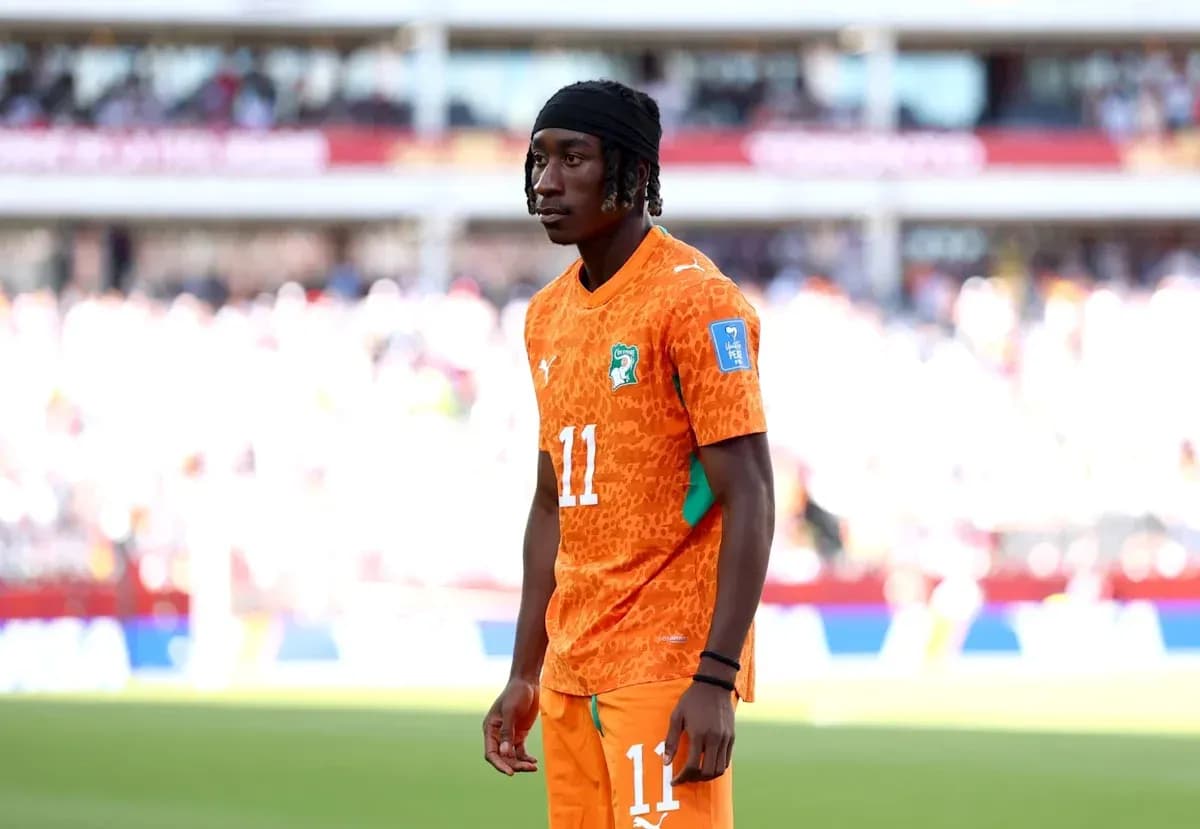
Away from the scorelines, this World Cup feels different for African football. A record six sub-Saharan African teams have qualified: South Africa, Ghana, Senegal, Ivory Coast, DR Congo and Cape Verde. It is the largest contingent the continent has ever sent.
South Africa’s Bafana Bafana were the first to appear, losing 2-0 to Mexico in the opener, but they will not carry the flag alone. Ghana’s Black Stars return with memories of their 2010 quarterfinal run, when they matched Cameroon’s 1990 breakthrough and Senegal’s 2002 heroics. Senegal are back as well, as are Ivory Coast, playing their first World Cup since 2014 after adding two Africa Cup of Nations titles to their résumé.
DR Congo and Cape Verde bring some of the most compelling backstories. The Leopards are here for the first time since 1974, when they played under the name Zaire. Many of their current squad grew up in Europe, mirroring a trend across Cape Verde’s team. The Blue Sharks have already cashed in on their moment with that draw against Spain.
The journey to this tournament has not been smooth. Travel and visa issues have hit squads, officials and fans. At one stage, supporters holding African passports were told they had to post bonds of $15,000 to enter the United States. The policy was dropped, but for some, the damage to travel plans had already been done.
One familiar sound from Africa’s last World Cup on home soil is missing. The vuvuzela, the plastic horn that turned South Africa 2010 into a constant, buzzing soundtrack, is banned this time. The noise will come instead from the stands, where an African-born diaspora of more than three million people across the US and Canada is expected to rally behind the continent’s six teams.
Teams that mirror changing nations
On the pitch, the diversity of several squads has become its own talking point. England, France, Spain and Sweden all field sides that blend different ethnic, cultural and religious backgrounds, with both Christian and Muslim players sharing the same shirt.
Spain’s teenage sensation Lamine Yamal and Sweden midfielder Yasin Ayari are part of a growing wave of Muslim footballers at the game’s highest level. For many observers, these teams show what cooperation across backgrounds can look like when the stakes are shared.
Eboo Patel, president of Interfaith America, captured the image: players scoring, saying their own prayers, then embracing as teammates. Individual faiths, collective purpose. It is a simple picture, but a powerful one, at a time when immigration, identity and integration remain contested far beyond the touchline.
The tournament is still young, yet it already feels heavy with storylines: giants chasing legacy, newcomers chasing respect, and a Thursday slate that could tilt groups in an instant. Mexico and South Korea close the day under the lights in Guadalajara. By the final whistle, will the numbers still favour El Tri, or will this World Cup serve up another twist?