World Cup Final: Messi, Mbappé and the Politics at Play
The World Cup has reached that strange, breathless pause before the final act. One game left that matters, one that doesn’t, and a sport that somehow keeps spinning no matter what is thrown at it.
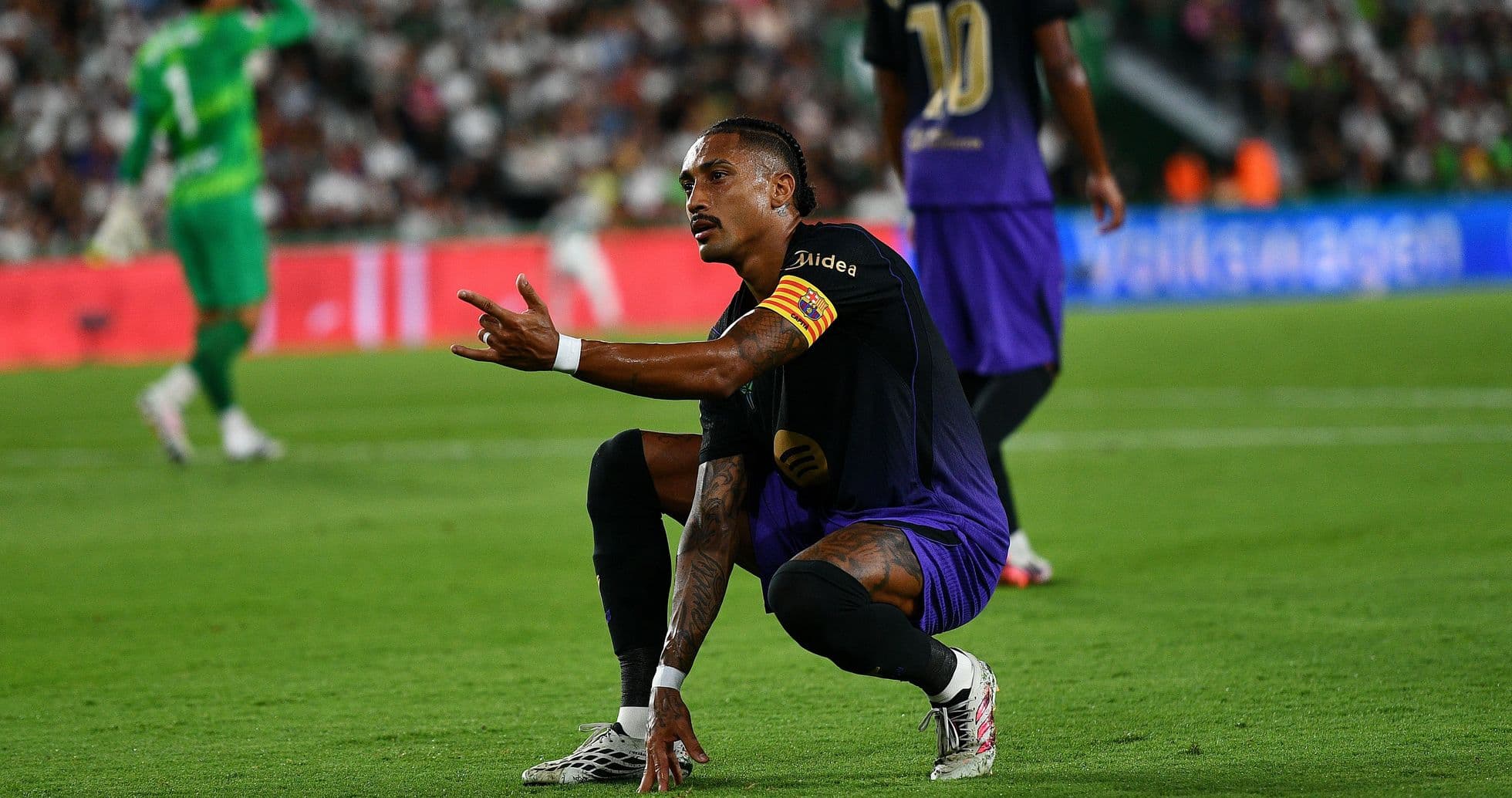
At the centre of it all: Lionel Messi and Kylian Mbappé, locked together on goals in the Golden Boot race. Messi leads the charts only because of an extra assist, a neat little statistical quirk that feels too small for the scale of the occasion. The argument bubbling away now is a very modern one: should a goal in the final count for more than one scored in a third-place play-off that half the world forgets to watch?
It’s the kind of debate that tells you everything about where we are – obsessing over metrics as football hurtles towards its showpiece.
Rodri’s Rise and a Quiet Manchester City Subplot
Amid the noise, one of the more quietly compelling stories of this tournament has been Rodri. Once there were real doubts about what he would be after that ACL injury. Would he still trust his body? Would he still cover the ground, still dominate the rhythm of a game?
He has answered all of that, emphatically. This World Cup has seen him not just return, but thrive. The old hesitation has gone; the timing, the range of passing, the control – all back at full tilt.
Lurking behind his performances is a question that will not go away: has he just played his last game for Manchester City? The suspicion is there. The answer will come soon enough, and it could reshape the European season before it even starts.
Tuchel, England and a Semi-Final That Still Stings
England’s postmortem rolls on. It always does. This time the spotlight burns on Thomas Tuchel, who has survived the fallout from that semi-final exit and will stay in the job.
His substitutions have been the lightning rod. Tuchel was widely praised earlier in the tournament for changing games from the bench, but that cuts both ways. If the subs always rescue you, what does that say about the starting XI? One reader’s verdict was brutal: England were “staggeringly lucky” to reach the last four and “the worst of the semi-finalists by a country mile”.
In the era of five substitutions, managers do plan for “finishers” to come on and tilt the game. Even so, some of Tuchel’s changes – particularly against Norway – left people baffled. The players, it seems, were not entirely sure what was going on either.
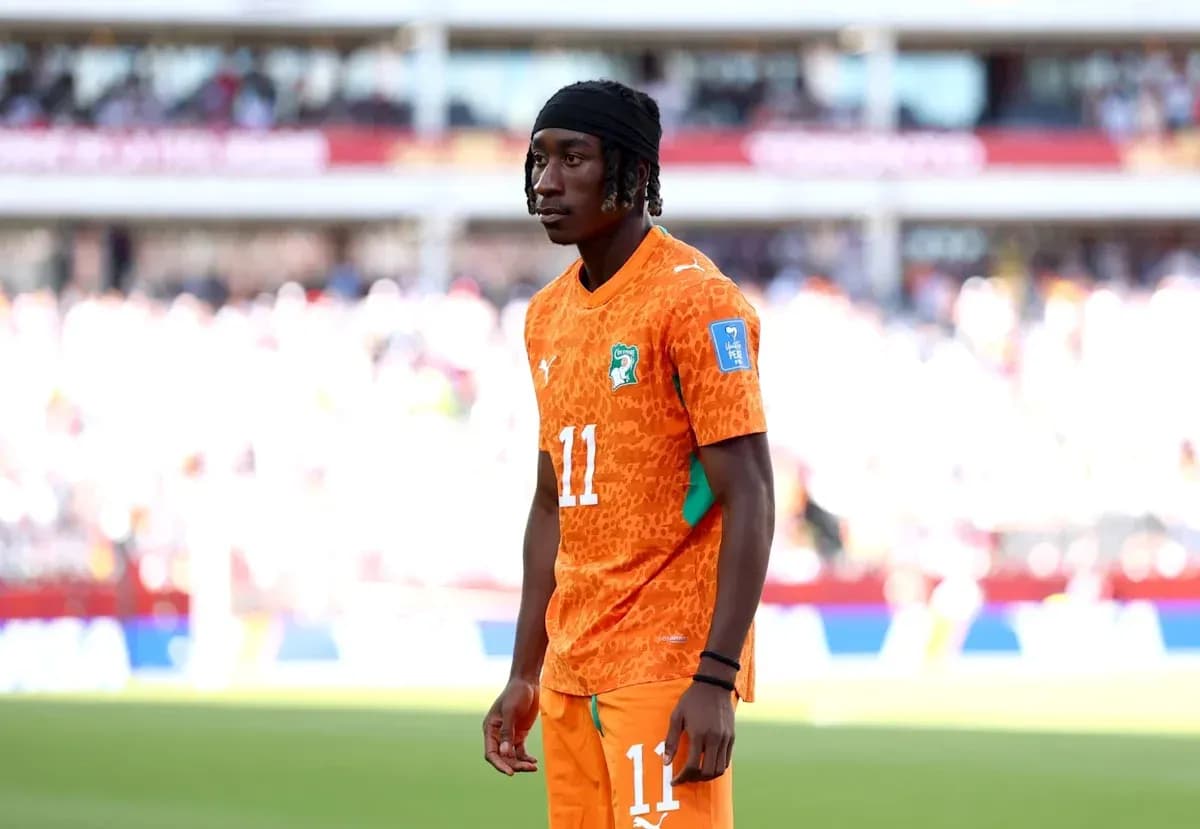
Now comes the third-place match, that awkward fixture that exists somewhere between duty and distraction. Does Tuchel chase a consolation medal or hand minutes to those who have watched most of this from the bench? There’s a strong case for a half each for the goalkeepers, starts for Ollie Watkins and Ivan Toney, and time on the pitch for Kobbie Mainoo. It would at least offer something tangible to take into the next cycle.
Messi v Yamal and a World Watching
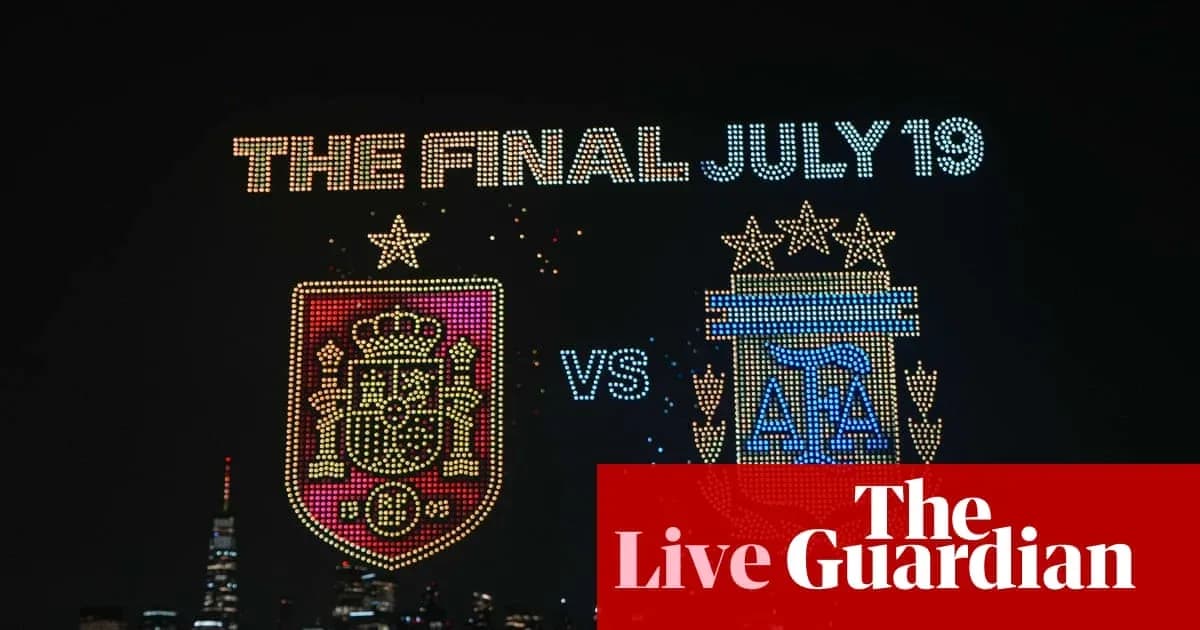
The final itself barely needs selling. Messi, chasing yet another layer of immortality, against Lamine Yamal, the teenager whose talent looks like it has been fast-forwarded a decade. One very good team against an excellent one; nobody can quite agree which is which, and that’s part of the charm.
Spain’s Prime Minister, Pedro Sánchez, will be in the stands. So, too, will Donald Trump, who has seized the chance to plant himself at the centre of a global occasion on American soil. The White House has already framed it as a celebration of the country’s ability to host the world “on the grandest stage”. The politics will hum in the background; the football will still drown it out.
For Argentina, this is familiar territory: a third World Cup final in four tournaments. Cristian Romero has been central to that. In the white and blue of La Albiceleste, he turns into a snarling, relentless defender, the hard edge next to Lisandro Martínez, and often the last barrier before Emiliano Martínez. Strip it back and, aside from Messi and the Aston Villa goalkeeper, Romero has probably been Argentina’s most consistent performer in this run.
No wonder the team looks like 11 “bleeding hearts” when they line up. They play like it.
Infantino’s Grip and the Politics of Power
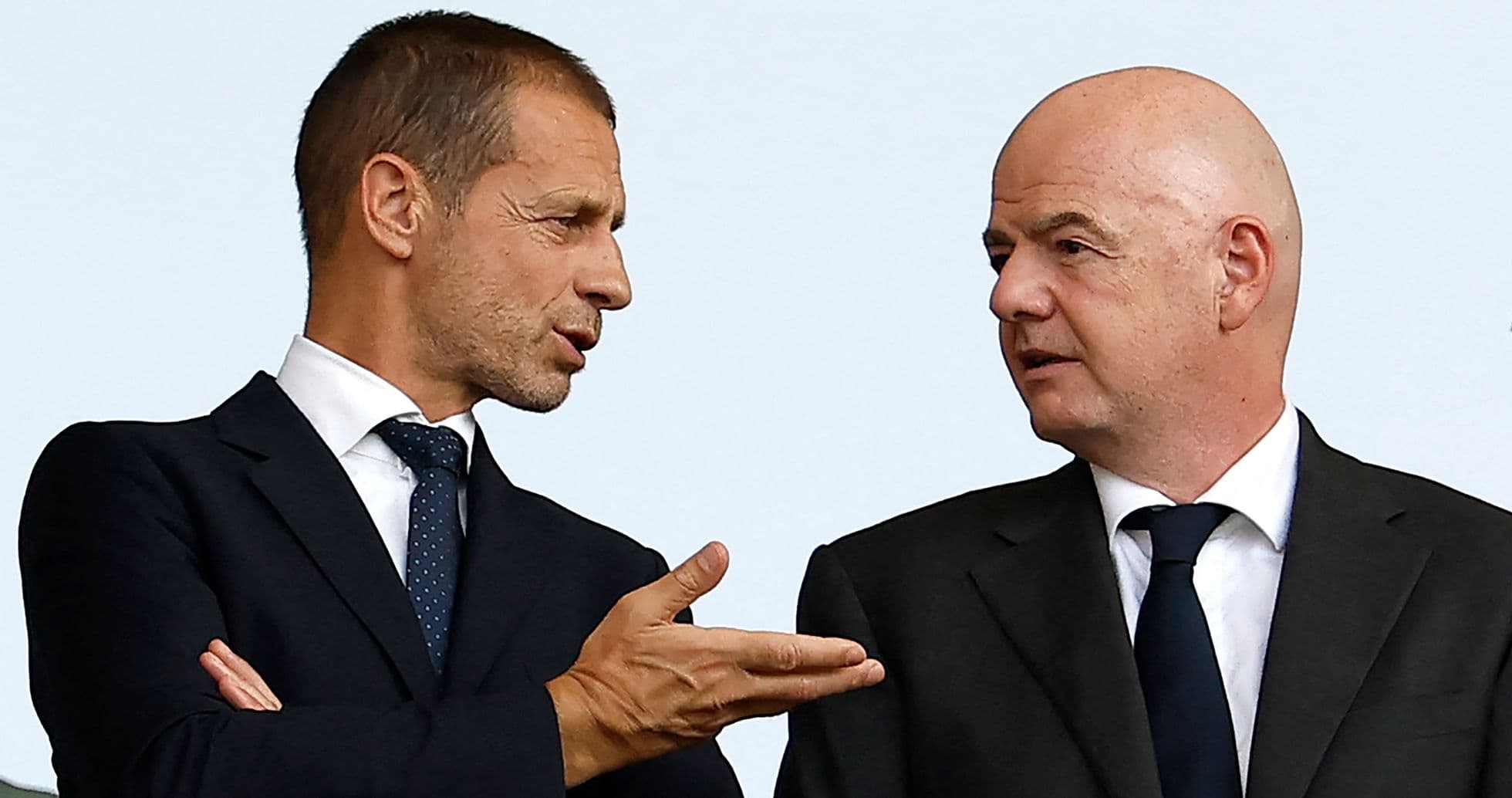
Away from the pitch, the power game continues almost unchecked. Gianni Infantino has secured formal endorsement from more than 200 of Fifa’s 211 member associations for a fourth term as president. Only a small cluster of countries, a few of them in Europe, have not sent letters of support. Germany stands out as the most prominent refusenik.
The timing is delicate. The scandal over Folarin Balogun’s reprieve from suspension has stirred anger and suspicion, yet Infantino’s grip on the machinery of world football remains firm. Fifa has survived Blatter, Warner, Blazer. It will, as one observer put it, survive Infantino too. The institution bends, absorbs, carries on.
Meanwhile, Keir Starmer has backed calls for Fifa to investigate Argentina players who displayed a banner asserting their country’s claim to the Falkland Islands after their semi-final win over England. Even here, on the edge of a World Cup final, geopolitics finds a way to seep onto the pitch.
Mourinho, Madrid and a New Chance for Alexander-Arnold
While the World Cup dominates, club football keeps pushing its way back into the conversation. At Real Madrid, Jose Mourinho has returned for a second spell, and one of his most intriguing projects is Trent Alexander-Arnold.
The England international’s first season in Spain was fractured by injury and inconsistency. He drifted in and out of the side, never quite settling into a defined role. Now, with Dani Carvajal gone, the right-back berth is there to be claimed.
Alexander-Arnold has spoken of the intensity Mourinho has brought back to Madrid, of the high demands and the sense that this is a coach who will drill every detail into his players. He calls it a pleasure to work with him, a chance to learn and reset his career in Spain. At 27, with his body finally right again, this feels like a pivotal year.
If he grasps it, Mourinho gets a weapon on the flank. If he doesn’t, Madrid will not wait around.
The Broadcast Circus and the Noise Around the Game
Across the Atlantic, Fox’s World Cup coverage is winding down with a flourish. The network’s cast of characters has become part of the spectacle in its own right: Geoff Shreeves, the eternally chirpy touchline presence; Tom Rinaldi, with his carefully crafted “lyrical” pieces; Chef Nick, whose early culinary experiments outstripped the actual food culture of the tournament; and Jameis Winston, whose hyperactive fan dispatches looked like a man permanently mid-electric shock.
It has been loud, brash, sometimes absurd – and entirely in keeping with a World Cup staged in the United States.
Football, Smoke and the Coming Comedown
Away from the stadiums and studios, life is readjusting. One observer, finally free from a week of wildfire smoke, has decamped to the garden to work in clean air, the World Cup soundtrack drifting through a quieter day. Another is already dreading the silence when the final whistle blows, their body clock now calibrated to midnight kick-offs and early alarms.
The solution? Maybe a late-night diet of South American leagues and MLS. The ball never really stops; it just changes channel.
Somewhere in Malta, NSÍ Runavík have knocked out Hamrun Spartans with a 94th-minute penalty so contentious that the police had to intervene and the referee flashed a red card in the chaos. On another page of history, a match report from Villa Park in 1966 describes a new, attacking Argentina stirring visions of a clash with West Germany. Football’s threads run long.
And through it all, the old arguments keep resurfacing. Who wears late drama better, Carlo Ancelotti or Lionel Scaloni, with their ice-cold non-reactions to 96th-minute winners? Should third-place games be experiments or statements? Should a goal in a final really be worth more than one in a forgotten play-off?
The answers will come, one way or another, when Messi and Mbappé walk out for the last time in this tournament and the world decides, again, what matters most.