USWNT Faces Hostile Atmosphere in Brazil
The United States women are used to being the destination. Nations fly in, the crowds come out, and the USWNT control the stage on home soil.
This June, the script flipped.
Emma Hayes has taken her new-look side into the heart of South America, into Brazil, into noise and hostility and a kind of chaos you cannot simulate on a training pitch in California. A year from now, if qualification goes to plan, this is the continent they will return to for the 2027 Women’s World Cup. These friendlies are not just fixtures. They are rehearsal under duress.
On Saturday, the lesson hurt.
Baptism in Brazil
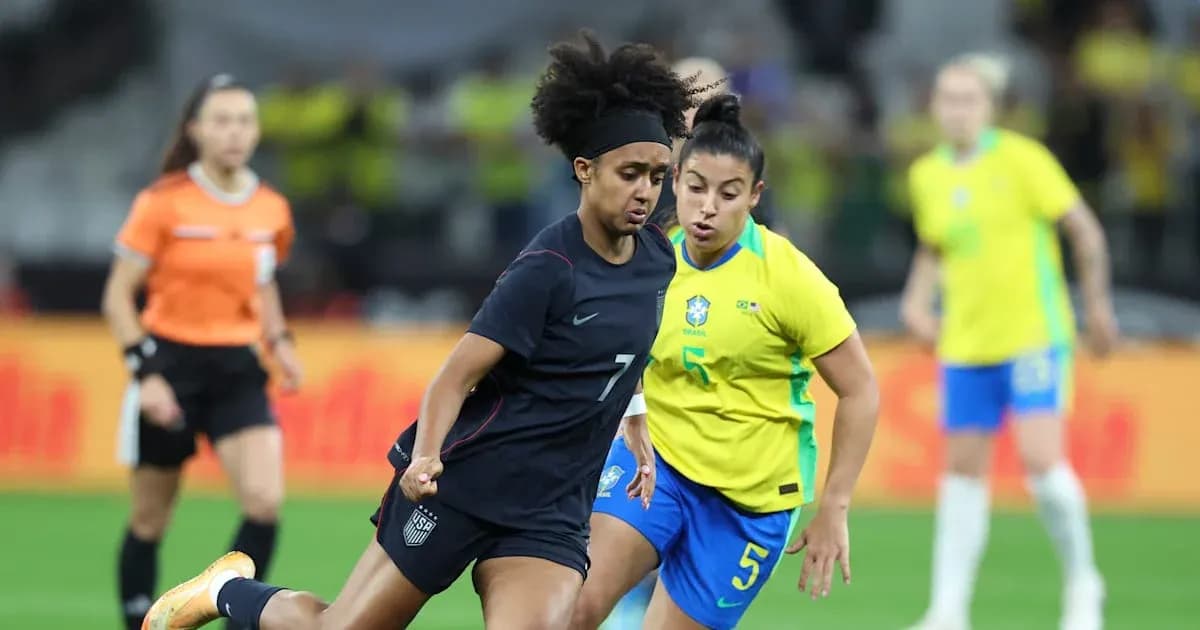
From the opening whistle, the U.S. walked into a wall of sound. Whistles rained down on every touch, every decision. Cheers, jeers, a constant roar. For many in this younger U.S. group, it was their first taste of a truly hostile away crowd.
“It was an amazing atmosphere and it’s one that, as much as I can prepare my team for this, you don’t really know until you experience it,” Hayes said afterwards. “I am sure for many of my players, this is the first time they’ve ever experienced an intensity [like that] from the crowd.”
On the pitch, Brazil matched the noise with edge. They pressed, they bumped, they dragged the game into what Hayes later called “chaos ball” – second balls, collisions, broken play. The U.S. are accustomed to dictating tempo. Here, they were dragged into a fight.
Ironically, it started so well. Sophia Wilson struck early, her first goal since returning to the national team, a moment that should have settled nerves and quieted the stands. Instead, it woke Brazil up.
Within 15 minutes, the hosts had flipped the game with a rapid double. From 1-0 up to 2-1 down in a blur. The crowd sensed vulnerability and turned the volume up again.
The U.S. never quite wrestled back control. Brazil defended with a snarl, closing space, embracing the stop-start rhythm. Hayes’s side carved out half-chances, flashes rather than sustained pressure, but struggled to create the kind of clear-cut opportunities that usually define them.
Learning in the fire
Hayes did not come to Brazil for comfort. She came for this.
“I am so happy for the experience, because if we want things to be easy, we stay at home and play in LA or somewhere else,” she said. “We don’t want easy.”
The rebuild she is overseeing demands exactly these moments: a team stripped of home advantage, forced to manage emotion, officiating, and a crowd that seems to contest every breath. With World Cup qualifiers looming in November and the likelihood of more trips to South America in the near future, these nights are not optional; they are essential.
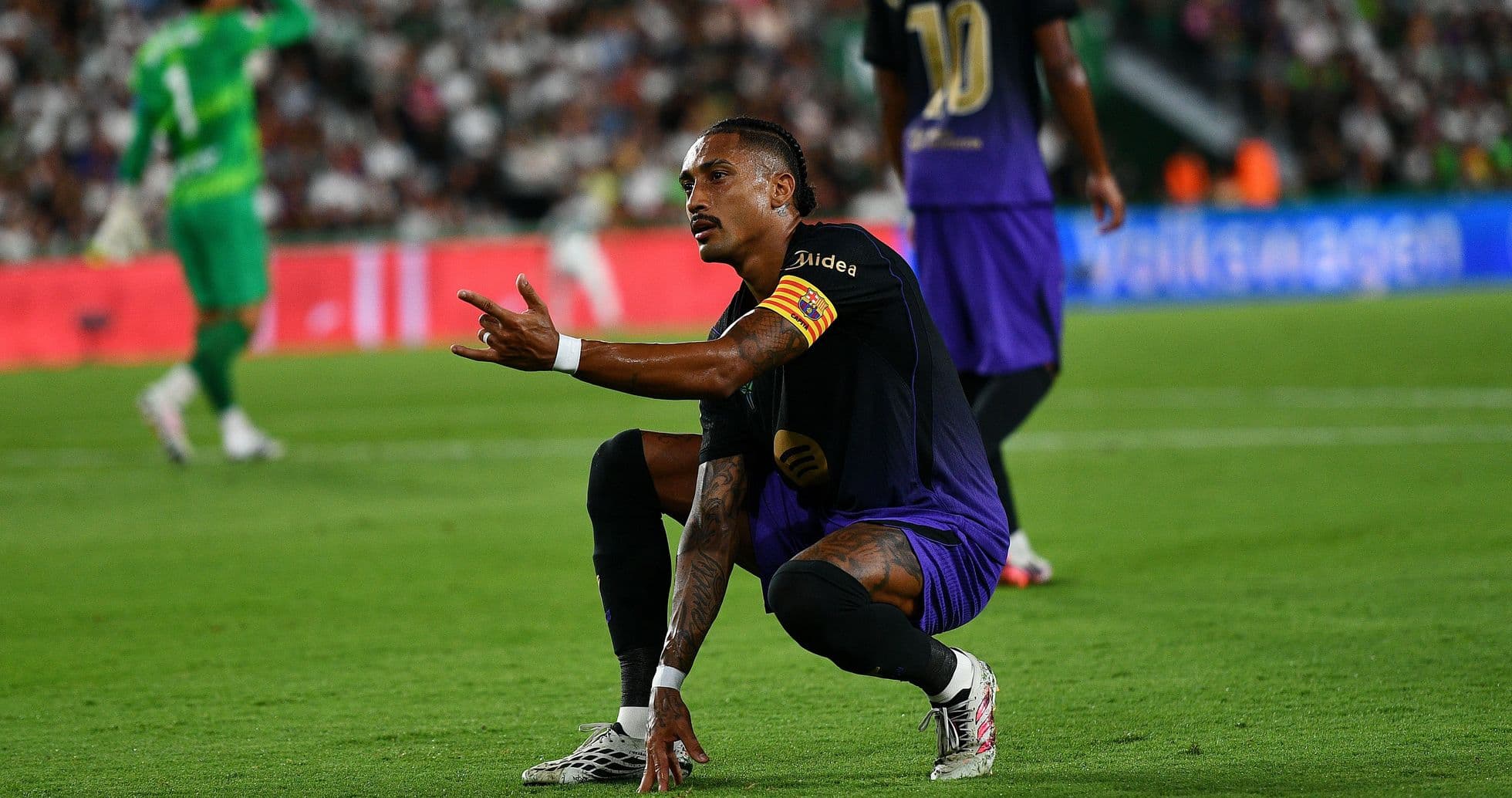
Captain Lindsey Heaps framed it as a mental test as much as a tactical one.
“It’s difficult when it’s a game like that, when you’re being thrown to the ground multiple times and calls aren’t going your way,” she said. “But it’s up to us – it’s that mental capacity to stay in a game like that.
“I’m really proud of our team because we stayed level-headed and we still created opportunities, but it’s about having that experience to get that goal back and walk away with a result from this kind of game.
“It’s hard but I think that emotional control has gotten so much better throughout this past year.”
Wilson echoed that sentiment. The goal mattered, but so did the composure the U.S. showed after the break, when the match threatened to boil over.
“We needed to do a better job of controlling the game and keeping that lead, but it was a really good test for us, and we felt what it is like to play here in their home country,” she said. “I think we can take what we need to from this game and the nice part is we get to go again in a few days.”
That “again” arrives quickly.
A second shot in Fortaleza
On Tuesday, the U.S. and Brazil meet for the 45th time. History leans heavily towards the Americans, but the immediate past does not: Brazil have already beaten them in recent encounters, and the U.S. now stand on the brink of a third straight defeat to their South American rivals.
This time, the stage shifts to Fortaleza, another cauldron, another chance for the crowd to shake a team still learning its voice under a new coach.
Inside the camp, the message is clear: the focus stays internal. The loss is not an excuse; it is material. The whistles, the physicality, the quick swing from control to chaos – all of it becomes fuel.
Hayes asked for discomfort. Brazil have delivered it. Now the question is whether this U.S. side can turn that sting into steel before the games that really count arrive.