Unai Emery's Triumph: Aston Villa's Europa League Glory
Where would you like your statue, Unai Emery?
On a night when Istanbul turned claret and blue, Aston Villa’s manager finally had the silver to match the scale of his rebuild. Four years of method, obsession and relentlessness crystallised into one shining, handle‑less Europa League trophy – the fifth of his career, the first of Villa’s modern era.
Thomas Tuchel once joked that UEFA might as well rename this competition the Unai Emery Trophy. It no longer feels like a joke.
Emery’s empire crowned
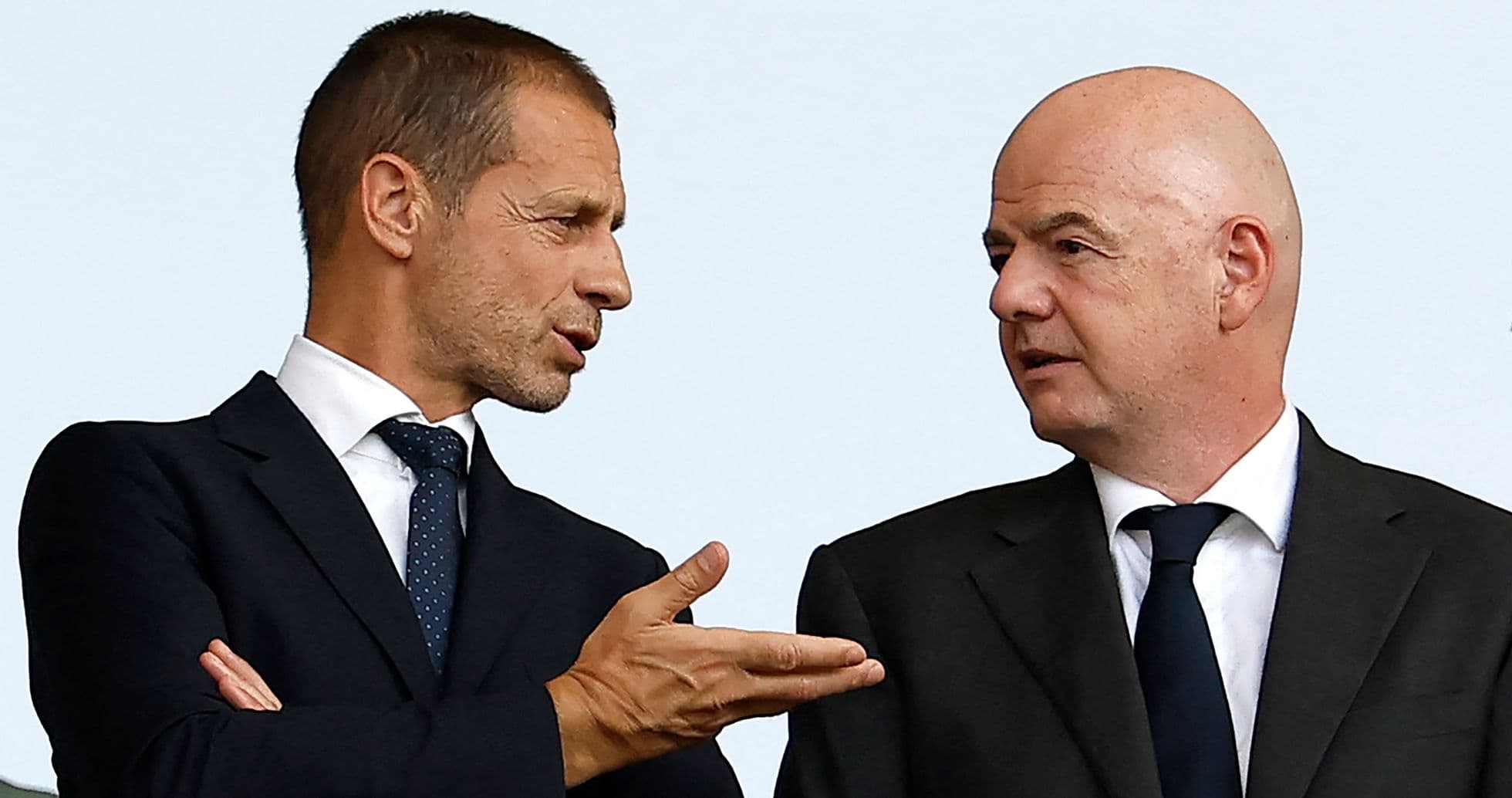
By the time John McGinn sprinted towards that heaving bank of Villa supporters, trophy aloft, “We Are the Champions” booming around the stadium, the engraving on the base was barely dry. The captain had been the last to take his medal from Aleksander Ceferin, then broke into a dart, almost childlike, towards the delirious masses behind the goal.
Behind him, Emery was being launched into the Istanbul night. Players gave their manager the bumps on the podium, Emiliano Martínez at one point hoisting him on to his back for a piggyback, the goalkeeper grinning as wildly as anyone in claret and blue. Around them, a guard of honour for Freiburg, brave and willing but ultimately outgunned, underlined the respect Villa have quickly come to command on this stage.
In the VIP seats, the Prince of Wales – scarf on, phone out – filmed the moment like any other fan. A self-confessed Villa obsessive, he later posted his congratulations to “all the players, team, staff and everyone connected to the club”. On the pitch, co-owners Nassef Sawiris and Wes Edens took turns lifting the trophy themselves, Sawiris wrapped in claret and blue.
Emery had promised a tangible reward for a “transformative body of work”. Here it was, gleaming under the Istanbul floodlights.
Echoes of 1982, new heroes in white
The parallels with Rotterdam were impossible to ignore. Again Villa wore white. Again the opposition were German and red. Again, history waited.
Supporters had sung about 1982 all week on Taksim Square, a Brummie takeover on the Bosphorus. Nine members of that European Cup-winning side made the trip, including Nigel Spink, the substitute who famously replaced Jimmy Rimmer after nine minutes in Rotterdam. They watched a new generation seize its own night.
This time the names were different: Youri Tielemans, Emiliano Buendía, Morgan Rogers. Three goals, each with its own flourish, each another step towards a first major trophy since the League Cup in 1996.
Tielemans lit the fuse on 41 minutes. A short-corner routine pulled Freiburg out of shape, Rogers drifting into space and hanging up a perfectly weighted cross. The ball dropped invitingly and Tielemans never broke stride, lacing a pure volley that ripped past the goalkeeper. It felt like time slowed for everyone but him.
Seven minutes later, Buendía delivered the strike that broke Freiburg’s resistance. McGinn zipped a pass into his feet on the edge of the box. One touch with his right to kill it, the next a sumptuous left-foot curl into the top corner with the very last kick of the half. As the ball arced away, the Freiburg defenders knew. So did the Villa end. That was the goal that killed the contest.
From there, it resembled a procession. Freiburg, on the biggest night of their 121-year history and still without a major trophy, never stopped running, never stopped trying to play. But Villa, already assured of Champions League football next season, moved with the authority of a side that has learned how to handle the weight of expectation.
Early nerves, then total control
It had not started entirely serenely. Before Tielemans struck, there were flickers of anxiety. Martínez needed treatment in the warm-up, goalkeeper coach Javi García taping one of his fingers as Villa fans peered on nervously. Once the whistle went, there were a couple of scares.
Matty Cash, pumped up and aggressive, flew into a high challenge on Vincenzo Grifo. He took the ball first, then followed through with his studs on the midfielder’s shin. A yellow card, and nothing more, after a VAR check that will divide opinion outside Birmingham.
Johan Manzambi buzzed around the Villa back line, and Nicolas Höfler spurned the game’s first clear opening, dragging wide after Pau Torres’s headed clearance from a free-kick fell his way. For a brief spell, Freiburg’s energy unsettled Villa.
The pressure didn’t last. Emery’s side absorbed it, tightened their grip on the ball and began to dictate. By half-time, any wider nerves among the 20,000 or so travelling Villa fans – the official allocation was 10,758, but the real number was closer to double – had evaporated into the Istanbul night.
Martínez, fist pumping towards the Villa end before kick-off, grew more assured as the game wore on. Torres and his back line stepped higher. McGinn and Tielemans started to boss second balls. Once Buendía’s curler hit the top corner, it felt like a long celebration with a match attached.
Rogers finishes the job
The third goal, approaching the hour, carried the stamp of Emery’s training ground work. Lucas Digne, high and wide on the left, released Buendía into space. The Argentine slowed, squared up Lukas Kübler and then whipped in a teasing cross towards the near post.
Rogers and Ollie Watkins crossed paths in a clever, choreographed movement. Rogers emerged in front, stole half a yard and poked the ball home. A simple finish, a devastatingly rehearsed move. Freiburg’s shoulders dropped. Villa’s bench exploded.
From there, Emery allowed himself to enjoy it. Amadou Onana, introduced midway through the second half, rose to head against the post. Buendía, chasing a second, smashed into the side netting when a fourth goal felt inevitable. On the touchline, the manager bounced and clapped, urging one more press, one more sprint, even with the trophy already mentally packed in Villa’s luggage.
Freiburg will still fly home to southwest Germany to celebrate a groundbreaking season, their first European final a landmark in itself. They were simply overpowered by a side that now walks into the Champions League with a European title under its arm and a coach who has bent this competition to his will.
For Villa’s newer generations, Istanbul 2026 will sit alongside Rotterdam 1982, not as a replacement but as a fresh chapter. The club that drifted, that flirted with irrelevance and worse, now stands back on a European podium, singing into the night.
The wait is over. The party has only just begun – and under Emery, who would dare say this is the last time they’ll need space on that plinth?