Thomas Tuchel's Trust Issues with Kobbie Mainoo at World Cup
Thomas Tuchel’s World Cup gamble on Kobbie Mainoo was never about talent. It was about trust – and, in the end, about body language.
The Manchester United midfielder arrived at the tournament as one of the Premier League’s breakout stars, having driven Erik ten Hag’s side over the line and into the Champions League. He forced his way into England’s squad on merit, not reputation, and travelled with the expectation of at least playing a supporting role behind Declan Rice.
He never kicked a ball.
Not a late cameo in a dead game. Not a few minutes to close out a lead. Nothing.
A place in the squad, but not in the plan
From the outset, Tuchel’s midfield pecking order looked clear. Rice was the anchor, Elliot Anderson the energetic foil. Mainoo, at 20 and fresh from his first full season at the top level, was always likely to be an understudy.
Yet the World Cup soon threw up a scenario that should have suited him perfectly. Rice struggled with fitness issues. Jordan Henderson picked up an injury. England laboured in games where they needed a calm passer between the lines.
Still no Mainoo.
The turning point seemed to come in the build-up to England’s second group match against Ghana. According to The Daily Mail, Rice’s problems in the week leading into that game opened a door. In training, Mainoo was used in central midfield alongside Anderson. Inside the camp, there was a sense he was edging into contention.
Then Tuchel shut the door.
The report states bluntly: the England manager “had not liked what he saw.” From that moment, Mainoo’s World Cup became a story of absence.
A visible disconnect
What Tuchel saw – or thought he saw – has become one of the tournament’s most debated subplots. On the pitch, the explanation is simple: the manager did not trust him enough in that environment. Off it, the picture is more complicated.
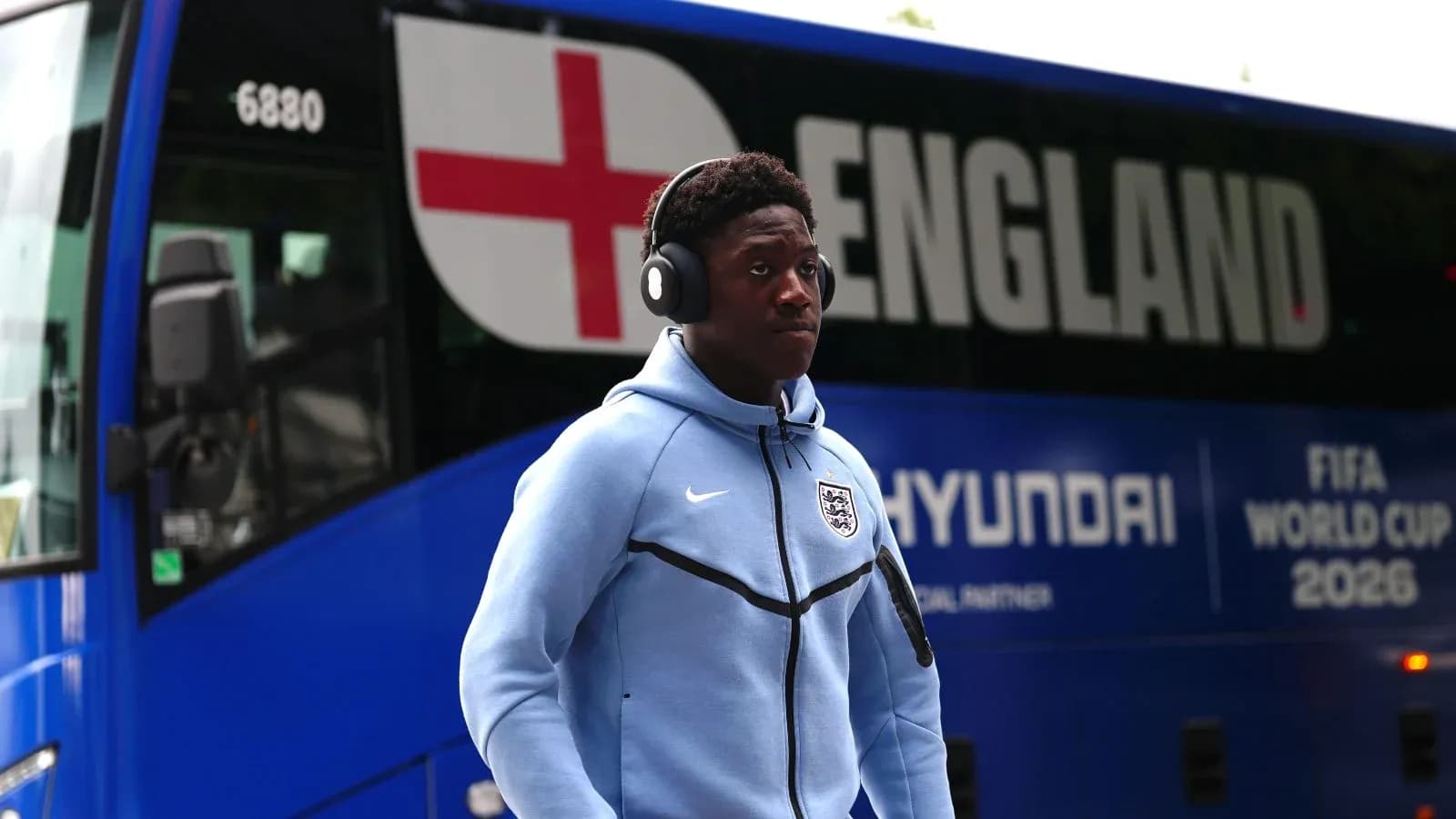
Those around the squad noticed the midfielder’s demeanour. After matches, while others lingered on the pitch or mixed in the mixed zone, Mainoo was regularly the first to leave the stadium, alone, headphones on. The Athletic described him as “unhappy” at the World Cup and “often the first player back on the team bus.”
This was not the wide-eyed youngster soaking in his first major tournament. It was a player frustrated, and not particularly inclined to hide it.
Inside the camp, opinions differed. One source wondered if Tuchel had simply misread the situation, treating Mainoo as a kid who would be content just to be there. Others felt the United midfielder had not done enough, in training or attitude, to convince the head coach that he could be relied upon in the pressure of knockout football.
What nobody could quite work out was what, exactly, Tuchel’s plan for him had been in the first place.
Reece James in midfield, Mainoo in the shadows
The confusion only deepened as the tournament wore on. As Rice’s physical issues persisted, Tuchel searched for solutions. The most telling decision came late on, when he turned to Reece James – a defender by trade – to plug gaps in midfield.
For a specialist central midfielder, watching a full-back step into your role is about as clear a message as a manager can send.
Mainoo trained well, according to a source close to the camp. He stayed fit. The tactical need was obvious. Yet when the crunch moments arrived, Tuchel looked everywhere but at him.
In a World Cup where England’s midfield often lacked composure and invention, that choice will linger. Not because Mainoo was guaranteed to transform games, but because the circumstances seemed to be screaming for exactly his profile – and still he remained rooted to the bench.
Tuchel leaves the tournament with his selections under the microscope and a gifted young midfielder wondering how a breakthrough season at club level turned into a World Cup he only watched from the sidelines.
For Mainoo, the question now is simple: does this become a scar, or the spark for his next step with England?