Tottenham Women’s Team: Ambitions to Disrupt the WSL
Tottenham mean business. You can see it in the chequebook, in the timing of their deals, and in the way the women’s side has been quietly, methodically reshaped for a season that could redefine their place in the Women’s Super League.
This is not a club shopping to survive. This is a club shopping to disrupt.
From relegation fears to record fees
Two seasons ago, Spurs were glancing nervously over their shoulders at the relegation scrap. Last season, they finished fifth. Now they are acting like a team determined to crash a party that has long felt invite-only.
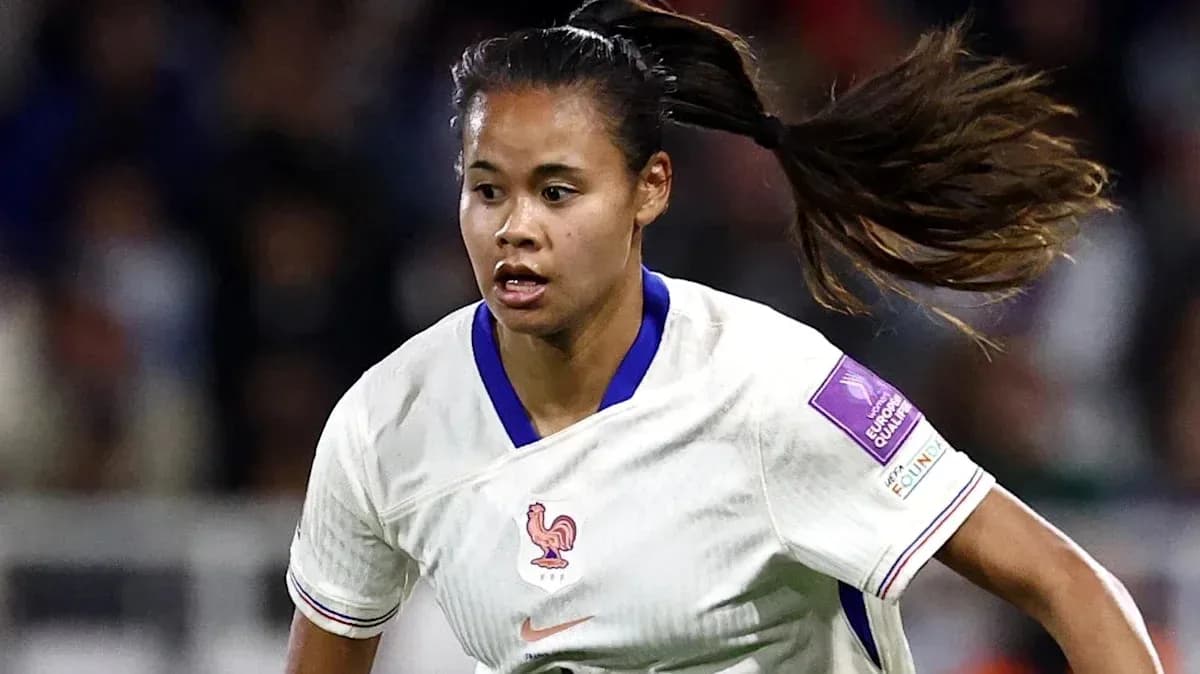
The headline move is clear enough: a club-record deal to bring France defender Alice Sombath from Lyon, following the roughly £375,000 paid for Signe Gaupset in January. That is serious money in the women’s game, spent on serious potential.
Around those two, Tottenham have built out the spine and the edges. Forwards Shekiera Martinez and Kirsty Hanson bring proven WSL firepower. Caitlin Dijkstra arrives to bolster the back line, Victoria Pelova adds craft in midfield, and Selma Panengstuen strengthens the goalkeeping department.
On paper, it looks like a squad built to trouble the league’s elite, not just admire them from a distance.
A seven-year climb – and a stalled academy dream
This is Spurs’ seventh season in the top flight and the growth has been sharp. Staff numbers have swelled, the training environment has been upgraded, and the women’s team now operates from its own base at Hotspur Way.
The club’s ambition to build a dedicated women and girls academy facility, however, hit a legal wall this week when the plans were blocked in court. It is a reminder that progress is rarely a straight line, even for clubs on the rise.
Tottenham have long tried to think big with their women’s side. Just months after promotion in 2019, they drew almost 40,000 to Tottenham Hotspur Stadium for a north London derby against Arsenal. In 2020, they brought in USA superstar Alex Morgan on a short-term deal shortly after she became a mother. In 2024, they walked out at a Women’s FA Cup final.
The ambition has been there. Now the structure is catching up.
Ho’s blueprint: a 12-month recruitment machine
The turning point came with Martin Ho’s arrival after a flat 2024-25 campaign under Robert Vilahamn that ended in disappointment and a sacking. Ho stepped in, steadied the team and immediately dragged them back up the table in his debut season.
Behind the scenes, he and the club moved just as decisively.
Since Ho joined in July 2025, Tottenham have worked to a defined 12-month recruitment plan, mapping out targets across three transfer windows. Talks with striker Cathinka Tandberg and defender Toko Koga were already at an advanced stage before Ho had even signed his contract. Both arrived in 2025. Both have since become central to his project.
Ho resisted the urge to rip everything up straight away. He spent his first summer studying the squad, identifying where evolution was needed rather than revolution for its own sake. Once that assessment was complete, the club moved fast.
Sources at Tottenham say they landed all their key targets in January and have already done the same this summer, even with the window open until 3 September. The strategy was simple: get business done early, hand the coach a complete group, and give him a full pre-season to knit it all together.
Managing director Andy Rogers, a 24-year servant of the club, has been at the heart of that work. This is his last major window before stepping down, and he has been determined to leave the women’s side primed for the next phase rather than in mid-transition.
Chasing Europe in a closed shop
So what does all this planning actually aim at?
Ho has been clear. Tottenham want to compete with the WSL’s best and build a squad capable of playing in Europe. Not one day. Soon.
The scale of that ambition is obvious. Only the top three in the WSL reach the Women’s Champions League. Those places have been locked down by Arsenal, Chelsea, Manchester City and Manchester United. Breaking into that group is one of the hardest tasks in the domestic game.
Tottenham are not the only ones trying. London City Lionesses and Brighton are also spending aggressively, chasing the same narrow corridor into the top three. Every big signing somewhere else is a reminder at Spurs that standing still is not an option.
This is also a unique moment in the women’s game. Financial regulations and salary caps are still in their infancy. Clubs with the resources and the appetite can inject serious money with relatively few constraints, at least for now. Tottenham have chosen this moment to push hard, aligning the women’s investment with an equally ambitious rebuild on the men’s side after a Premier League campaign that veered dangerously close to relegation.
The shift is part of a wider strategic reset after the departure of long-serving chairman Daniel Levy in September 2025 and subsequent changes in the boardroom. Vinai Venkatesham’s arrival from Arsenal in April 2025 is central to that story. He was instrumental in Arsenal’s women’s success and has been brought in to help deliver something similar in N17.
Youth, goals and a coach to mould it all
The recruitment pattern is deliberate. Tottenham are targeting some of the best young talent across Europe – players like Gaupset and Sombath – and blending them with proven WSL scorers such as Hanson and Martinez.
For Ho, it is the ideal mix. Youth he can shape, experience he can trust. A squad with a ceiling still to be discovered.
The pieces are there: a record-signing defender from Lyon, a Norwegian forward signed for a substantial fee in January, fresh attacking options, defensive depth, a new goalkeeper, and a club hierarchy that has finally aligned words with investment.
Now it has to translate from the training pitch to the table.
The missing piece: filling the stands
One major challenge remains stubbornly unresolved: the crowd.
Tottenham’s average WSL attendance last season was just 1,734, a number boosted by the occasional match at the main stadium. For a club of this size, with this level of investment and profile, that figure jars.
The product on the pitch is improving, the infrastructure is stronger than ever, and the ambition is unmistakable. The next test is whether north London buys into it in the numbers the club believes it deserves.
Spurs have built a squad that looks ready to rattle the established order. The question now is simple: will they just close the gap, or will this be the season they finally kick down the door to Europe?