Sunderland vs Manchester United: Premier League Clash on May 9, 2026
On a May afternoon heavy with narrative, the lights at the Stadium of Light in Sunderland will frame a meeting of different ambitions on 9 May 2026. Sunderland, safely in mid-table but still chasing statement results, welcome a Manchester United side pushing to lock in a place near the top of the Premier League. For the hosts, it is about proving they belong back among the elite; for the visitors, it is about avoiding a late stumble in a Champions League race that has little margin for error.
Season Context
Sunderland arrive in this fixture sitting 12th with 47 points from 35 matches, having scored 37 goals and conceded 46. That goal difference of -9 underlines a side that has been competitive but not yet fully convincing at both ends, though a balanced record of 12 wins, 11 draws and 12 defeats suggests they have become a difficult assignment for most visitors.
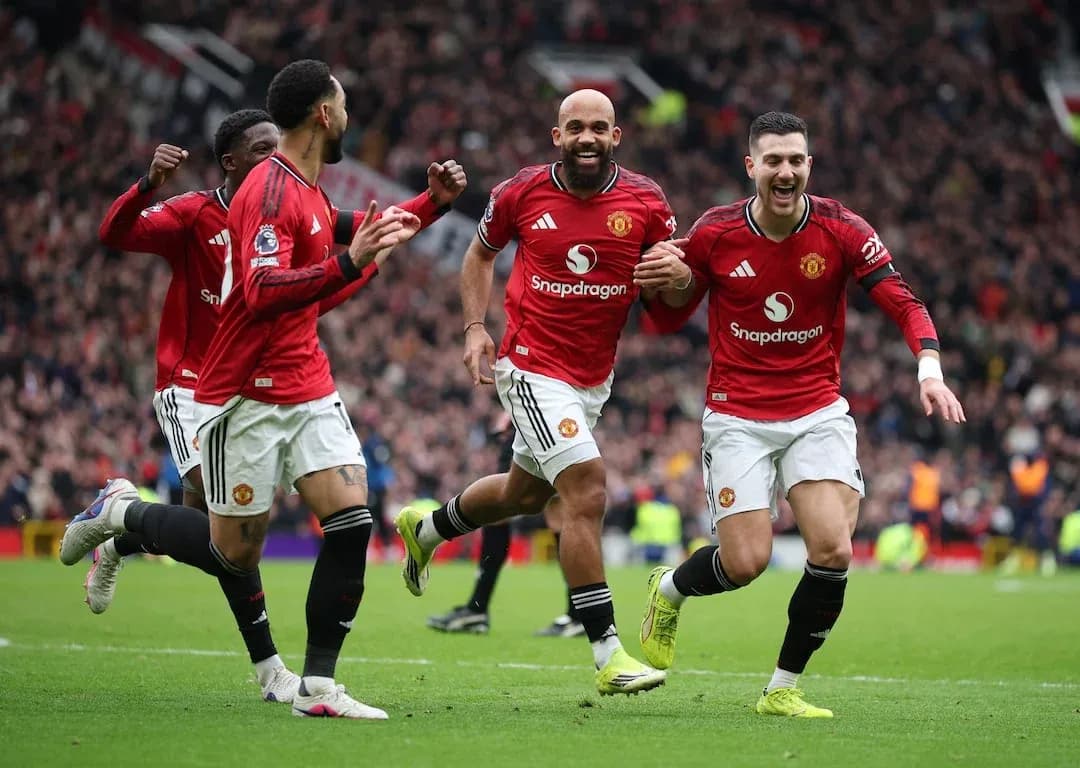
Manchester United travel north in a far more elevated position, 3rd in the table with 64 points from 35 games. With 63 goals scored and 48 conceded, they have been potent going forward but occasionally open at the back, yet 18 wins and only 7 defeats show a team that has generally imposed itself and is tracking towards the Champions League places.
Form & Momentum
Sunderland’s recent form line of DLLWW paints a picture of inconsistency followed by a late push (47 points, -9 goal difference). Two wins after a run of defeat–loss–loss hint at a team capable of responding when questioned, but their overall numbers still show a side that can be exposed defensively (46 goals conceded).
Manchester United’s WWWLD sequence signals a team largely in control of its destiny (64 points, +15 goal difference). Three straight victories before a loss and a draw indicate strong momentum, and their attacking output of 63 goals reinforces the sense of an in-form contender rather than a fragile top-four hopeful.
Head-to-Head Patterns
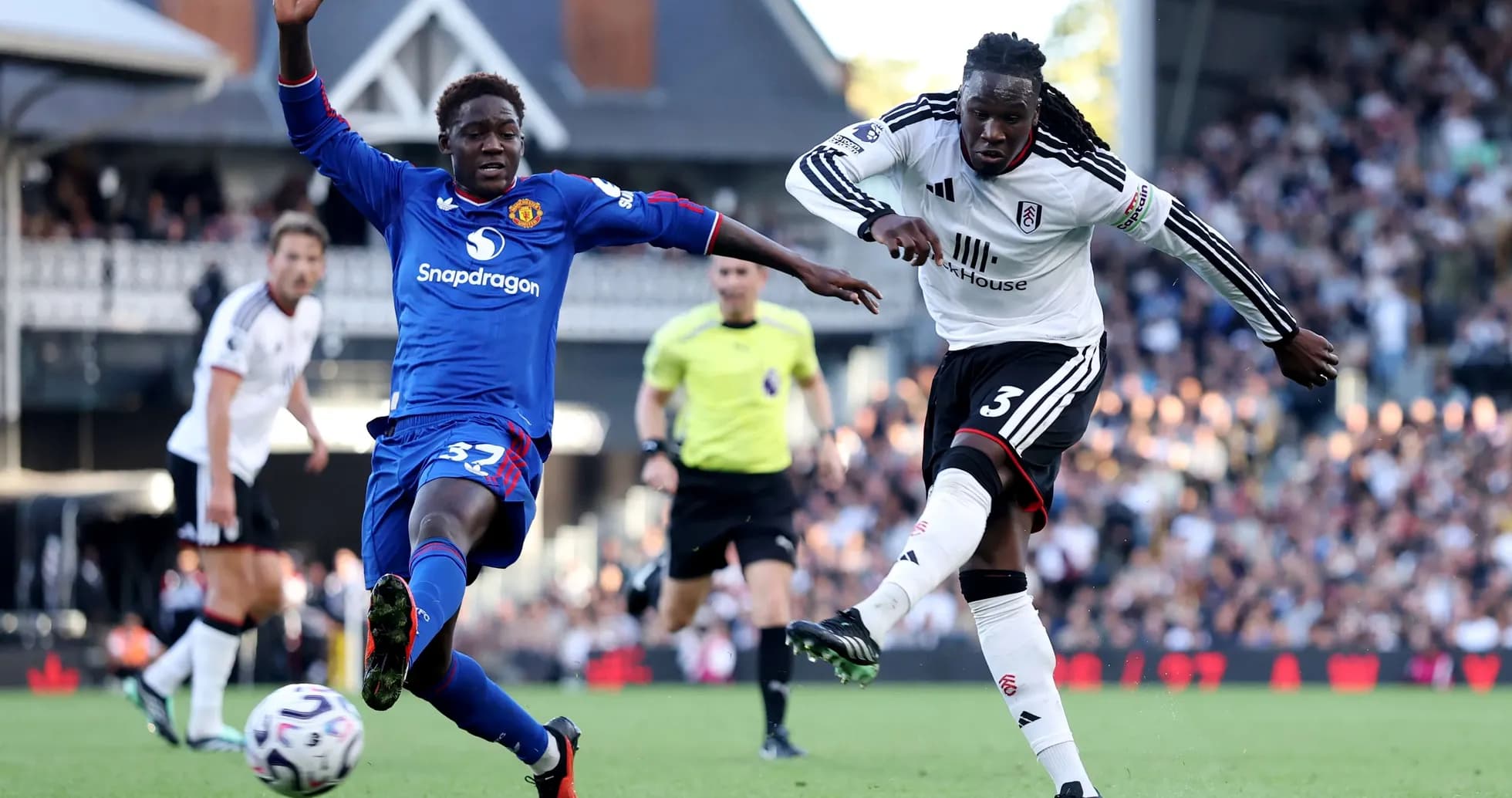
The modern chapter of this rivalry has tilted towards Manchester United, especially in league meetings. The most recent clash ended 2-0 in favour of Manchester United at Old Trafford (Premier League, October 2025), a controlled home win that reaffirmed the gap between the clubs since Sunderland’s return to the top flight.
At the Stadium of Light, United also enjoyed a commanding 3-0 victory (Premier League, April 2017), a result that showcased their ability to dominate this fixture away from home. Sunderland, however, can draw inspiration from a 2-1 home win (Premier League, February 2016), a reminder that when the crowd surges behind them here, they have previously found a way to unsettle the visitors.
Tactical Preview
Sunderland’s statistical profile suggests a flexible but fundamentally cautious side. They have leaned most heavily on a 4-2-3-1 shape (18 matches), giving them a double pivot to protect a defence that has conceded 46 goals while still supporting a lone striker. Alternative systems such as 4-3-3 and 5-4-1 (5 matches each) underline their willingness to adjust either towards more pressing or deeper protection depending on the opponent. With 23 goals scored at home and an average of 1.4 goals per home game, they are capable of constructing attacks, but 19 home goals conceded and 12 matches overall without scoring point to spells where their front line can be blunted.
In midfield, the presence of G. Xhaka as a leading creator (6 assists and 1 goal, with 1,599 passes at 83% accuracy) gives Sunderland a clear organiser. Alongside him, E. Le Fée contributes both work rate and incision (4 goals, 5 assists, 987 passes at 81% accuracy), suggesting Sunderland will try to build through technically secure central players rather than play purely direct. Defensively, the card data hints at an aggressive edge: T. Hume has collected 9 yellow cards while still winning 167 of 312 duels, and Reinildo and D. Ballard each carry one red card this year, underscoring a back line that defends on the front foot and occasionally oversteps.
Manchester United arrive with a more defined elite structure. They have split their tactical identity between a 3-4-2-1 (18 matches) and a 4-2-3-1 (17 matches), both systems that lean on a strong spine and allow their attacking talent to combine between the lines. Their attacking numbers are imposing: 63 league goals at an average of 1.8 per game, with 27 of those away from home and a road average of 1.6 goals. That firepower is supported by a relatively efficient defence that, while conceding 48, has still allowed them to keep 6 clean sheets.
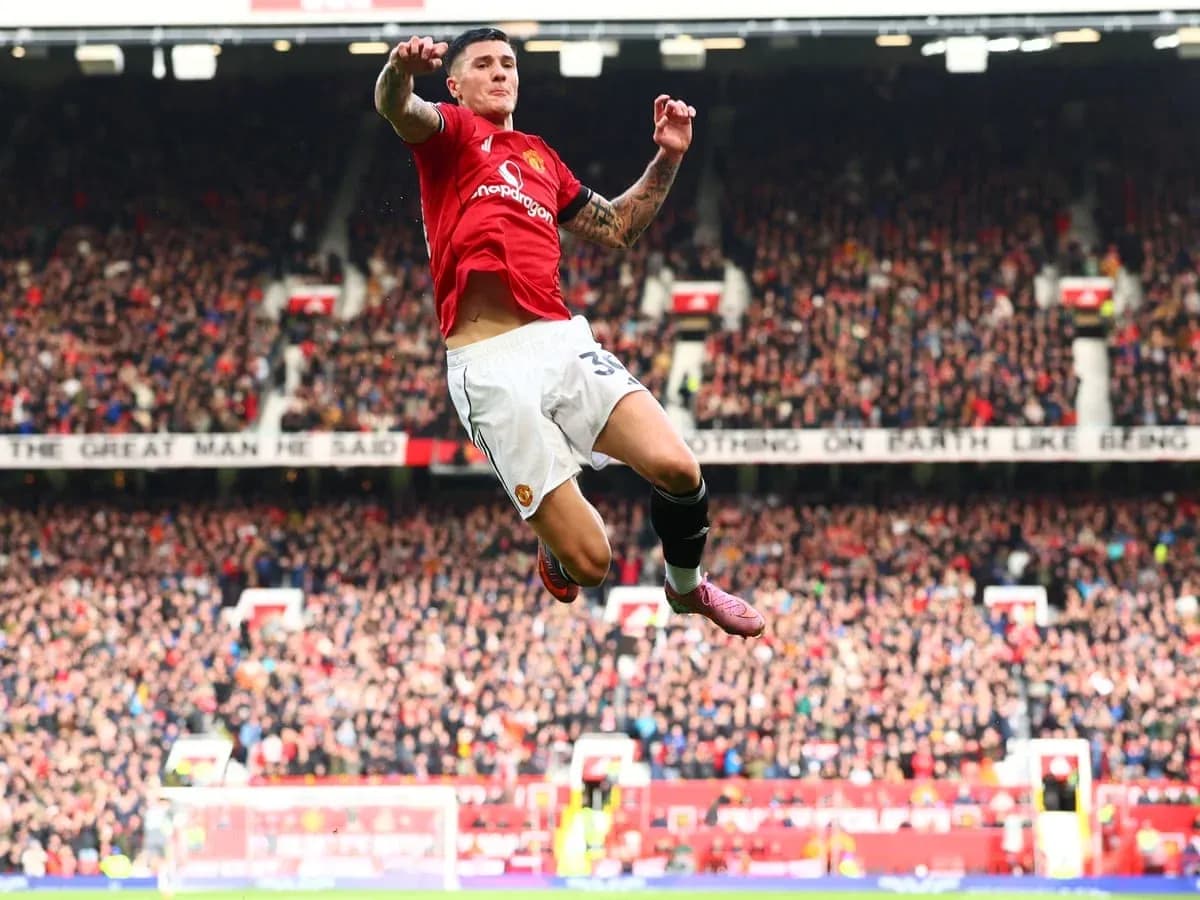
Individually, Manchester United’s threat is spread across multiple high-end contributors. B. Šeško leads the scoring chart for the club in the league with 11 goals (from 51 shots, 34 on target), giving them a central reference who is both physically imposing and efficient. Around him, Matheus Cunha adds another 9 goals and 2 assists while winning 155 of 337 duels, a profile that suits the half-spaces in either the 3-4-2-1 or as a second striker in 4-2-3-1. B. Mbeumo offers width and directness (9 goals, 3 assists, 50 dribble attempts), stretching defences and creating room for others.
The creative heartbeat is Bruno Fernandes, whose 19 assists and 8 goals make him the league’s standout provider by the numbers (121 key passes and 1,826 total passes at 82% accuracy). His presence between Sunderland’s lines will be a central tactical question: Xhaka and Le Fée will need to close his space without leaving Šeško and Cunha free near the box. Behind them, Casemiro’s dual role as destroyer and late runner is evident in his 9 goals and 88 tackles; he can both break Sunderland’s rhythm and arrive in advanced areas when United sustain pressure.
Discipline and defensive transitions could be decisive. Sunderland’s defenders like Hume and Ballard are aggressive in duels, but their collective record of 46 goals conceded and multiple red cards suggests that if Manchester United can draw them into wide one‑v‑one situations, fouls and set‑piece chances may follow. Conversely, Manchester United’s own back line is not immune to risk: L. Shaw has 8 yellow cards and H. Maguire one red card, so Sunderland’s quick attackers such as B. Brobbey and B. Traoré may find joy if they can isolate those defenders in transition.
Statistical Snapshot
- Competition: Premier League, season 2025 — 9 May 2026.
- Venue: Stadium of Light, Sunderland.
- Prediction: Win or draw — Double chance : draw or Manchester United.
- Win Probabilities: Home 10% / Draw 45% / Away 45%.
- Model: Sunderland 35.5% — Manchester United 64.5%.
Betting Verdict
The prediction models lean clearly towards Manchester United avoiding defeat, and the head-to-head record in recent league meetings backs that up, with United winning 2-0 in October 2025 and 3-0 at this ground in April 2017. Their superior league position (3rd with 63 goals scored) and stronger recent form (WWWLD) add weight to the “double chance : draw or Manchester United” angle. With away prices generally around 1.90–1.97 and Sunderland trading roughly between 3.70 and just over 4.00, the value appears to sit on Manchester United on the draw‑no‑bet or double‑chance lines rather than chasing a home upset. Sunderland’s improvement and home resilience mean a draw is plausible, but all the statistical and historical indicators point towards the visitors emerging with at least a point.