Rayo Vallecano vs Villarreal: La Liga Clash with Champions League Stakes
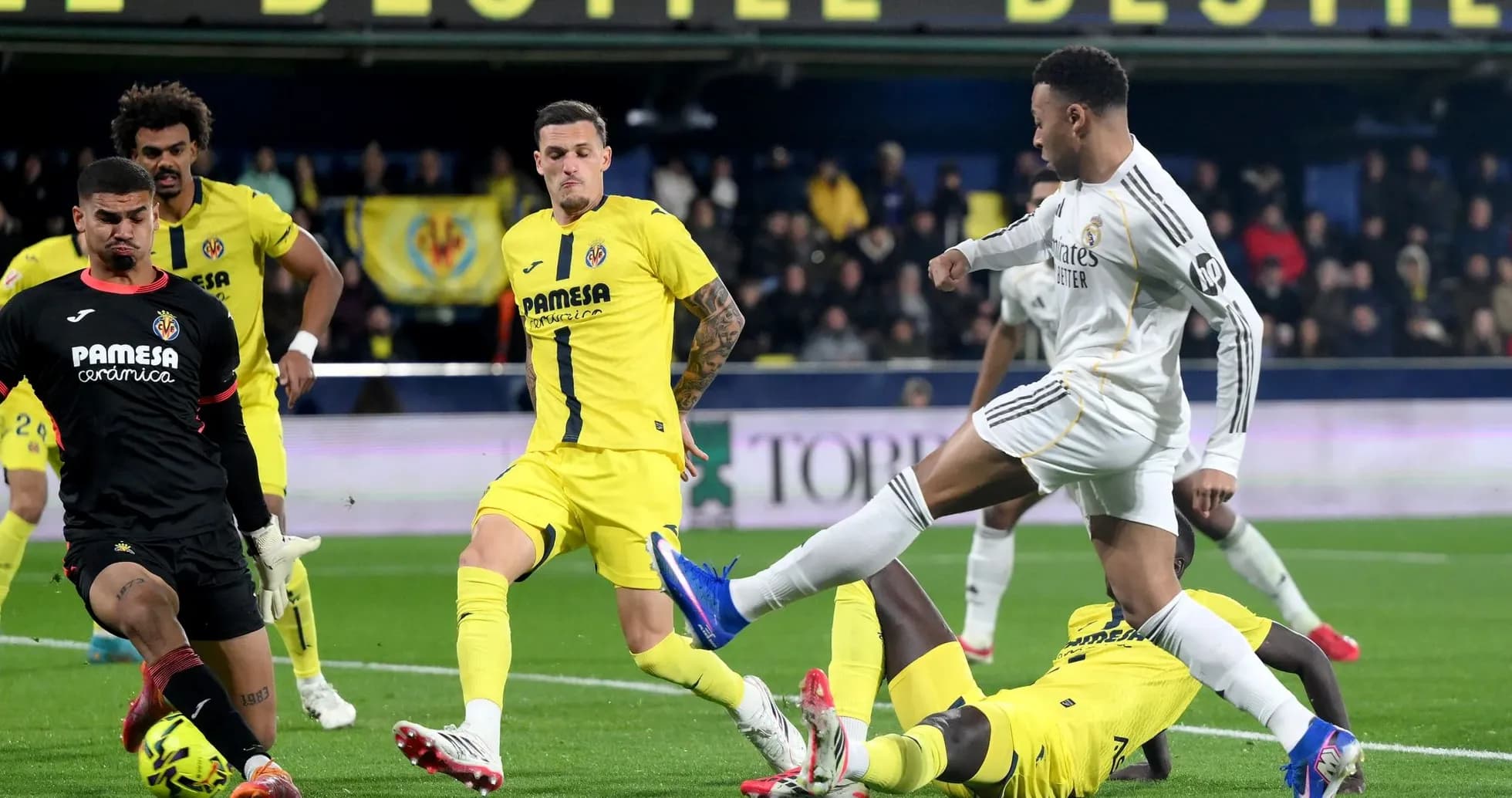
In La Liga’s Regular Season - 37, Rayo Vallecano host Villarreal at Campo de Futbol de Vallecas in Madrid in a late-season game with very different stakes: Rayo, 11th with 43 points and a -6 goal difference in the league phase (36-42), are effectively consolidating mid-table security, while Villarreal, 3rd on 69 points with a +24 goal difference in the league phase (67-43), are protecting a Champions League qualifying position with two rounds left.
Head-to-Head Tactical Summary
On 1 November 2025 at Estadio de la Ceramica, Villarreal beat Rayo Vallecano 4-0 in La Liga (Regular Season - 11), leading 1-0 at half-time and then running away in the second half. Earlier in the 2024 La Liga campaign, on 22 February 2025 at Estadio de Vallecas, Villarreal edged a 1-0 away win after a 0-0 first half, underlining their ability to manage tight games in Madrid. On 18 December 2024 at Estadio de la Ceramica, the sides drew 1-1, with Villarreal leading 1-0 at half-time before Rayo levelled. Going back to 28 April 2024, also at Estadio de la Ceramica, Villarreal won 3-0 after a 1-0 interval lead. The oldest listed meeting, on 24 September 2023 at Estadio de Vallecas, finished 1-1, with Rayo and Villarreal level 1-1 at half-time and full-time. Overall, Villarreal have taken three wins (4-0, 1-0, 3-0) and two draws (1-1, 1-1) from these five fixtures, with both of Rayo’s home games in this run ending as low-scoring contests (1-1 and 0-1).
Global Season Picture
- League Phase Performance: In the league phase, Rayo Vallecano sit 11th on 43 points from 35 matches, with 10 wins, 13 draws and 12 losses, scoring 36 goals and conceding 42. Their home record is robust: 6 wins, 10 draws, 2 defeats, with 22 goals for and 15 against at Vallecas. Villarreal, in contrast, are 3rd with 69 points from 36 games, built on 21 wins, 6 draws and 9 defeats, with a high-output attack (67 goals for) and 43 conceded in the league phase. Away from home they have 7 wins, 5 draws and 6 losses, scoring 24 and conceding 25.
- Season Metrics: Scope detection shows team statistics and standings are aligned (Rayo: 35 vs 35; Villarreal: 36 vs 36), so these numbers describe performance in the league phase. Rayo’s profile is that of a cautious, defensively structured side at home: 1.2 goals scored and 0.8 conceded per home game, with 7 home clean sheets and only 3 home matches without scoring. Their away averages drop to 0.8 scored and 1.6 conceded, underlining a conservative, risk-averse approach on the road. Villarreal’s league-phase metrics point to a more expansive model: 1.9 goals scored per match overall (2.4 at home, 1.3 away) and 1.2 conceded, with 8 clean sheets and just 5 games without scoring, consistent with a front-foot, chance-creating side. Card data suggests Rayo accumulate yellow cards steadily through the middle and late phases of games, while Villarreal’s bookings spike from minute 61 onwards, hinting at aggressive late-game pressing and transitions.
- Form Trajectory: Rayo’s league form string “DWDWL” indicates a mixed but stable recent run: one defeat in five, with two wins and two draws, consistent with a mid-table side grinding out points rather than surging. Villarreal’s “LDWWD” shows a high-performing team that has largely stabilised after a loss, with two wins and a draw in the last three, enough to keep them on track in the Champions League race but without room for complacency.
Tactical Efficiency
With no explicit Attack/Defense Index values in the provided comparison data, we infer efficiency from league-phase production and concession patterns. Villarreal’s attack is clearly more efficient: 67 goals in 36 matches (1.9 per game) with only 5 blanks, supported by a dominant home output (2.4 goals per match) and a still-respectable 1.3 away. This points to a high “attack index” relative to league average, particularly when set against Rayo’s 36 goals in 35 games (1.0 per match) and 12 matches without scoring, highlighting a more limited offensive ceiling. Defensively, both sides concede 1.2 goals per game overall in the league phase, but the distribution matters: Rayo are tighter at home (0.8 conceded per game at Vallecas), whereas Villarreal’s away defense is more vulnerable (1.4 conceded per game). That combination suggests a tactical pattern where Villarreal’s attacking unit is likely to dictate shot volume and xG, but Rayo’s home structure can compress space and reduce shot quality, especially in low-tempo phases. Card distributions reinforce this: Villarreal’s late yellow spikes align with high-intensity closing phases, while Rayo’s spread of yellows and reds across the second half reflects a reactive, intervention-heavy defensive style when under sustained pressure.
The Verdict: Seasonal Impact
For Rayo Vallecano, this match is about consolidating a solid mid-table finish and potentially climbing into the top half; a win could push them closer to the teams above and add a high-profile scalp to an otherwise steady campaign. From a risk perspective, their 43-point tally and negative but controlled goal difference in the league phase mean relegation pressure is minimal, so the main seasonal impact is reputational and positional rather than existential. For Villarreal, the stakes are significantly higher: as 3rd with 69 points and a strong +24 goal difference, any dropped points in Round 37 could reopen the Champions League race and invite pressure from teams immediately behind them. A win in Madrid would almost certainly consolidate their top-4 position and could keep them in contention for a higher finish depending on other results, while a draw or defeat would shift the final-day narrative from consolidation to jeopardy. Tactically, the clash pits Villarreal’s high-output attack against Rayo’s compact home structure; if Villarreal convert their territorial and chance-creation edge into goals, they move a major step closer to securing Champions League football in 2026, whereas if Rayo turn Vallecas into another low-scoring contest, they can both protect their defensive record and materially influence the shape of the top of the table.