Southampton's Spying Scandal: Fallout and FA Hearing
Southampton are still counting the cost of a spying scandal that has ripped through the club and now returns to centre stage this week.
What began in May with an intern hiding at Middlesbrough’s training sessions has snowballed into one of the most severe disciplinary cases English football has seen. Staff from Boro apprehended the young Southampton employee watching preparations ahead of their Championship play-off semi-final. That incident blew the lid off a pattern: similar covert trips had already been made to observe Oxford and Ipswich earlier in the season.
The fallout was brutal.
An independent English Football League commission threw Southampton out of last season’s play-offs entirely, wiping out their shot at promotion and the minimum £200m that comes with a place in the Premier League. The punishment didn’t end there. The new campaign started with a four-point deduction, leaving the club playing catch-up before a ball had even been kicked.
Now the Football Association is circling.
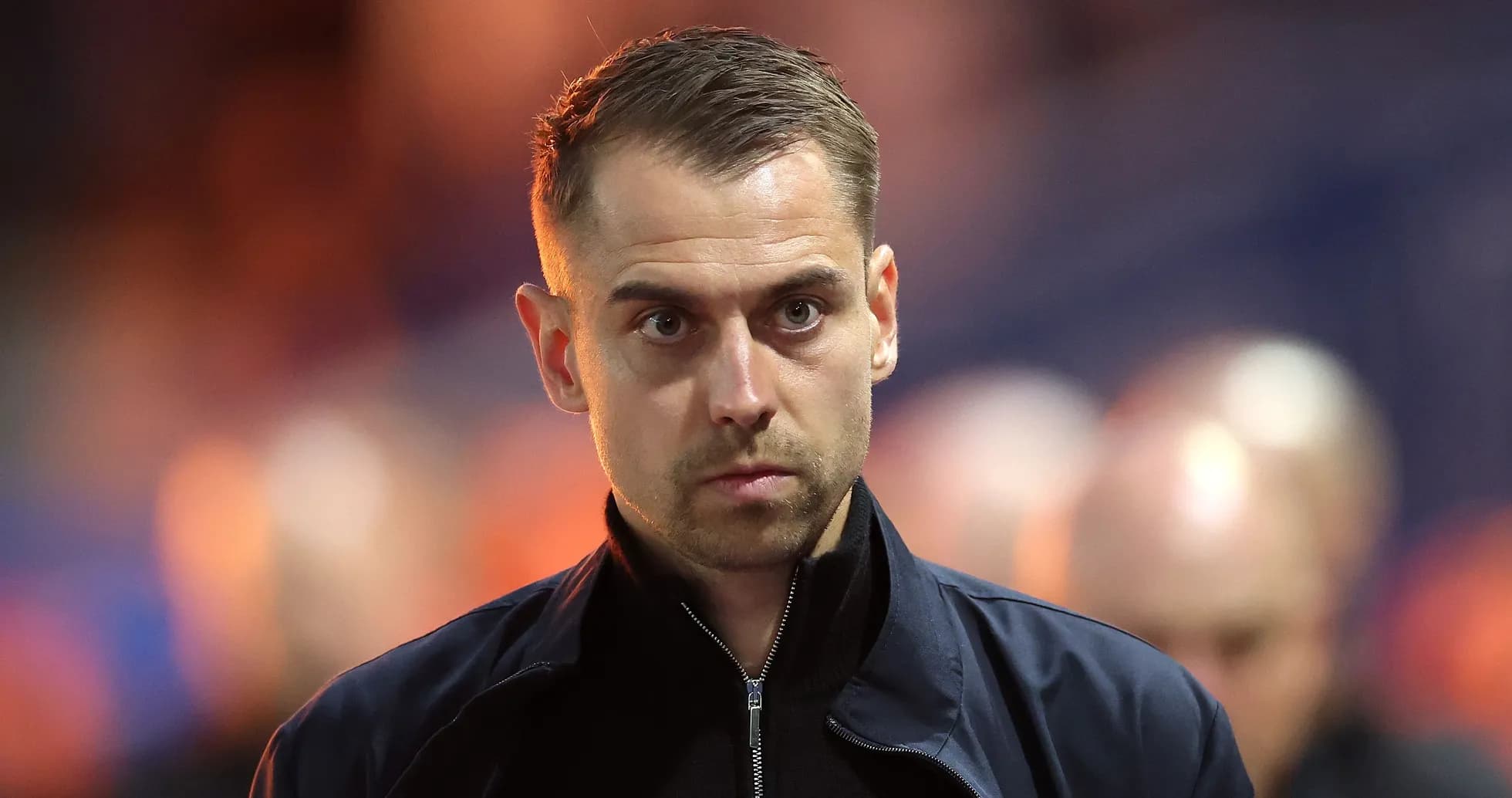
In July, the FA charged manager Eckert with misconduct over the same offences, and an independent regulatory commission will examine his case this week. The hearing comes with emotions still raw on the south coast and a club hierarchy desperate to convince the authorities that enough damage has already been done.
Speaking ahead of the verdict, chief executive Phil Parsons made a pointed appeal for perspective. He urged the FA to weigh the human and financial wreckage left by the EFL’s original ruling.
"What we hope as a club is they actually recognise where we are at the moment, and what we've already been through, because I think it has to be taken into account," Parsons said. "We lose money not being in the Premier League, but [local] businesses lose money. We had to spend a huge amount on legal fees, and it really impacts the club even further.
"I really feel like we've taken enough. We've been hurt. I think it's one of the largest sanctions ever when it comes to football, or even sporting, history. We don't want to be seen as a victim of this. We need to get on. We've had our cards dealt."
The manager at the eye of the storm did not shy away either. In a BBC interview on Monday, Eckert described the penalties as "absolutely unheard of in the history of sports".
"It's been a big, big punishment," he admitted. "And it's tough for me to say that because it concerns me. I'm judging on myself, not an outside situation. But I've asked for forgiveness for what I've done. I've apologised publicly."
The EFL panel’s written findings left little room for ambiguity. They described the spying operations as "a contrived and determined plan from top down to gain a competitive advantage". That phrase cut straight to the heart of the club’s culture at the time, suggesting this was no rogue operation but a sanctioned strategy.
More troubling still, the commission recorded that junior staff felt pressured into carrying out the covert work, sent to rival training grounds under instruction from above. It painted a picture of a hierarchy willing to lean on the most vulnerable employees in pursuit of marginal gains.
Eckert, though, has consistently argued that he did not realise the missions breached EFL regulations. Ignorance, of course, is no defence in law, and it did not spare the club from the heaviest of blows. The German coach has instead focused on the damage since inflicted, not just on his own reputation but across the entire organisation.
"I think the punishment has been very hard on the club for the last season," he said, underlining the strain on players, staff and the wider community.
Southampton now walk into this week’s FA hearing with scars still fresh, a points deficit on the board, and a promotion dream already once torn up. The question is no longer what they did. It is how much more they will be made to pay for it.