Scottish Football's Struggles: A Season of Uncertainty
Only the most deluded optimists can look at Scottish football right now and see a game on the brink of renewal. The new Premiership season is here, but the usual flutter of anticipation has been replaced by something darker: a hangover from a World Cup campaign that stripped away the excuses and left the sport staring at itself in an unforgiving mirror.
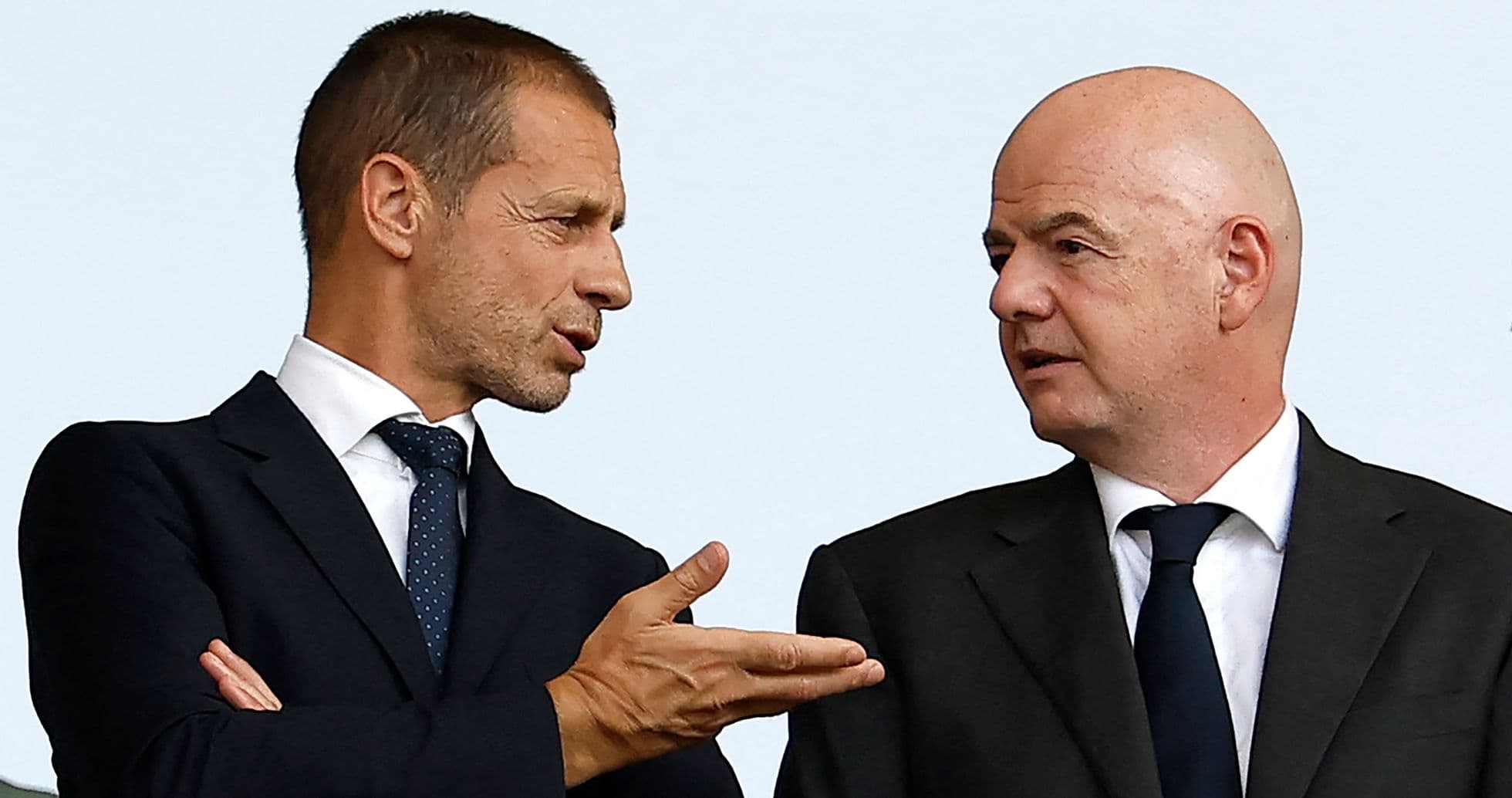
The Scottish FA has retreated into silence. That, in itself, is no surprise. A lamentable World Cup has not been followed by a detailed explanation, far less a coherent plan. Mike Mulraney, the president, last surfaced in public as a background extra behind Gianni Infantino and the US president at Trump Tower. Ian Maxwell, the chief executive, offered only a fleeting appearance after Steve Clarke’s resignation, choosing to rail against “hysterical commentary” rather than confront the substance of Scotland’s failure.
These are the same executives who all but laughed off suggestions that handing Clarke a four‑year contract on the eve of departure for the United States was a reckless indulgence. They have since melted away, their silence framed as space to find a new head coach. Perhaps they are indeed immersed in succession planning for a squad that has grown old together and creaked badly on the biggest stage. They should be allowed to get that appointment right.
But the vacuum around them is poisonous. The anger that followed Scotland’s World Cup showing – however rational the mitigating arguments – has bled directly into the mood as the Premiership returns. This season has all the ingredients to turn sour, quickly.
Celtic and Rangers
Celtic’s support remains locked in a cold war with the board. They see complacency, a hierarchy out of touch with the demands of a club that measures itself in European nights and domestic dominance, not balance sheets. Across the city, Rangers have taken a manager in Derek McInnes whose arrival has gone down badly among Celtic fans and neutrals who remember his previous Ibrox flirtations and conservative football. The hostility is already loaded before a ball has been kicked.
Then there is Hearts, still raw from the way 2025‑26 ended. They were minutes from a first title in 66 years when it was ripped away. The most shameful chapter came on 11 June, when the Scottish Professional Football League finally published its disciplinary findings over the pitch invasion that forced the abandonment of Celtic’s title‑clinching match against the Edinburgh club. Nestled among token punishments for Hamilton Academical, Inverness and Stenhousemuir was a modest fine for Celtic and a suspended, minimal ticket reduction. For Hearts fans, it felt like insult layered on top of heartbreak.
Rangers supporters, who rarely need much prompting to rage against officialdom, had been relatively subdued. That changed when McInnes was hit with a touchline ban for his criticism of a refereeing decision. The club has also attacked elements of an independent report into the disorder that followed their Scottish Cup defeat to Celtic in March. Across the league, the mood is confrontational. Motherwell are consulting lawyers over a Scottish FA fine for a social media video. Hibs fans, already worn down by years of European embarrassment, watched a 2-0 qualifying defeat in Kosovo last week and erupted online. These results no longer shock anyone; that might be the most damning part.
Reasons for Optimism
Amid the gloom, a few clubs do have reasons to look up. Celtic’s signing of Kasper Høgh for a club‑record fee was a rare flex of financial muscle that chimed with what their supporters have long demanded. It is also the most intriguing arrival of the window. Doubts linger, of course. Players leaving the carefully constructed world of Bodø/Glimt have not always translated their form elsewhere, and the fee, while big by Scottish standards, would barely raise an eyebrow in much of the English Championship. Yet at 25, with his physical presence and direct running, Høgh looks made for Scottish football.
The real test for Celtic lies elsewhere. If irresistible offers land for key men such as Arne Engels and Alistair Johnston, they must replace quality with quality, not with cheaper projects that keep the accounts gleaming while the trophy room stagnates. Høgh has been welcomed. He cannot be the end of the story.
Across the city, Rangers have taken a very different financial path. They have burned through startling sums in recent years while largely watching others parade the silverware. The disconnect between spending and success has fuelled fury in the stands and eroded the club’s reputation, yet the American ownership has shown little inclination to confront or reshape that culture.
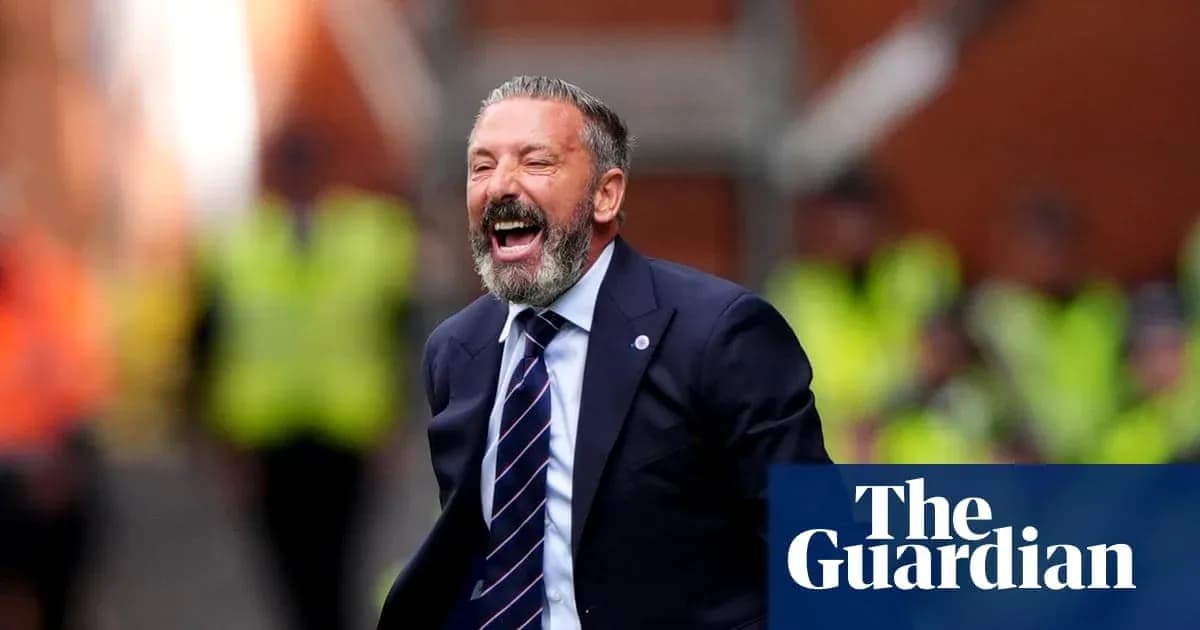
McInnes steps into this storm with his dream job and a clear idea of what he wants Rangers to be. They open the campaign at Dundee United on Friday night with a manager whose understanding of the club and its demands is far deeper than several of his predecessors. Vanja Dragojevic, signed from Partizan Belgrade, looks a shrewd addition in midfield. McInnes has gone straight for the spine, tightening the core before worrying about the flourishes. He is not short on energy or obsession for the task. This Rangers should be tougher, more coherent, harder to bully. Yet Celtic, with their habit of getting over the line and their familiarity with pressure, remain the obvious title favourites.
Hearts and Other Clubs
In Edinburgh, Hearts are still trying to catch their breath. Nobody connected with the club could reasonably be expected to have fully processed how close they came to ending a 66‑year title drought, only to watch it vanish in stoppage time and controversy. McInnes’s exit for Rangers, the radical stylistic shift under Wouter Vrancken and a sharp rise in expectations have combined to produce a period of upheaval. Hearts’ surge to the brink of glory arrived ahead of schedule, dragging in the attention of people who had barely glanced at the Scottish game before. A heavy Champions League qualifying defeat to Sturm Graz underlined how far Vrancken still has to go. The temptation will be to demand instant continuation of last season’s heroics. Patience would be wiser.
Motherwell, by contrast, have offered a blueprint for life beyond the usual duopoly. Under Jens Berthel Askou and in the months after his departure, they showed that clubs outside the financial elite do not have to cling on grimly. Their football was adventurous, their crowds grew, and their recruitment caught the eye far beyond Scotland. The sales of Elijah Just and Elliot Watt for multimillion‑pound fees vindicated a model that dares to think differently about markets and player development.
St Mirren talk openly about blooding more young players and playing a more attractive style. Kilmarnock, under Neil McCann at the tail end of last season, began to look like a side intent on doing more than simply surviving. Aberdeen, with Stephen Robinson in charge from the outset this time, should be a more convincing force. Even the pitch is improving: only one artificial surface remains in the top flight, a small but significant victory for those who still believe the game should be played on grass.
The contradiction at the heart of it all is stark. Football remains a national obsession in Scotland, the sport that dominates conversation and identity. Yet it feels like a patient in serious need of treatment, shuffling into another season with the same old symptoms and no obvious cure. A fresh campaign should feel like a clean page. Right now, it will only truly matter if someone, somewhere, finally dares to write something different on it.