Rafael van der Vaart Critiques Netherlands' Tactical Gamble
Rafael van der Vaart did not bother softening the blow. Live on Dutch broadcaster NOS, the former Real Madrid midfielder tore into the Netherlands’ collapse, appalled at how quickly a promising tournament unravelled under a tactical gamble that backfired.
For Van der Vaart, the turning point was simple: Ronald Koeman’s decision to rip up a functioning structure just as the team had found a rhythm.
“You get through a difficult group stage reasonably well. Then things start clicking a bit,” he said, incredulous at the shift in approach. “What goes on in your head that makes you change everything against Morocco? I don't understand it one bit.”
Midfield gamble that went badly wrong
Koeman’s reshuffle left the Dutch badly outnumbered where Morocco are at their most powerful: the centre of the pitch. The Netherlands went light in midfield, and paid for it. The heart of the team, the area that should have been their platform, became a vacuum.
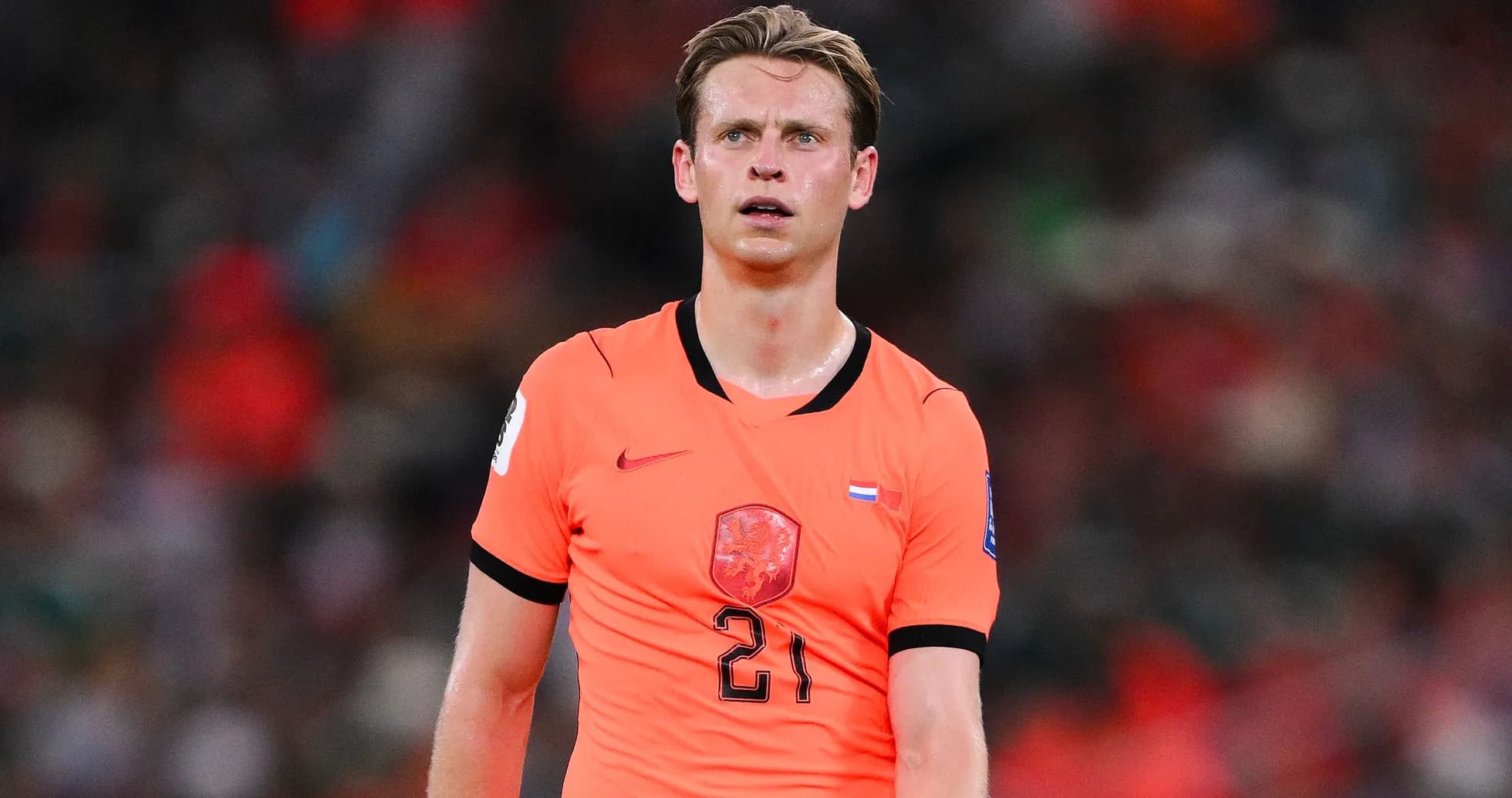
Van der Vaart’s criticism drilled straight into that decision. He argued that by going with a depleted midfield against a side whose core strength lies precisely there, Koeman effectively cut off his own playmaker from the game. Frenkie de Jong, expected to dictate the tempo, never got close to doing so.
“Frenkie played the absolute worst game I’ve ever seen from him today. Truly disappointing,” Van der Vaart said, before immediately pointing back at the setup. “But is that because of the system?”
De Jong’s night told the story. With Morocco swarming centrally and the Dutch two-man midfield constantly chasing shadows, he rarely saw the ball in positions where he could influence the match. Starved of possession, his usual composure and press resistance never surfaced. By the time he was replaced by Marten de Roon after 110 minutes, his impact had been negligible.
Outnumbered by Morocco’s strength
Van der Vaart underlined what many had seen coming on the tactical boards.
“I think Morocco's midfield is their strongest asset. And then you decide to play against them with just two men?” he said, laying bare his disbelief. “I didn't study to be a manager, but that seems a bit clumsy to me.”
The Dutch never established control. Without numbers around the ball, their build-up broke down, transitions went the other way, and their supposed main man disappeared in the chaos.
“Frenkie is only effective when you have the ball, but we didn't have the ball at all today, so Frenkie was completely invisible. And he is supposed to be our main man...” Van der Vaart added.
The problem extended beyond De Jong. Cody Gakpo, who did get on the scoresheet, found himself similarly isolated, a finisher without a framework.
“Cody Gakpo scored the goal, but of course, he was barely involved either,” Van der Vaart said, highlighting how the system left even the in-form forward on the margins of the contest.
A bruised squad, and questions for Koeman
The defeat has triggered immediate scrutiny around Koeman’s leadership and tactical direction. The Netherlands leave the tournament bruised, their campaign defined less by what they produced and more by what they abandoned once the knockout pressure arrived.
This is not just about one bad night. Van der Vaart’s anger taps into a deeper concern: an ageing squad profile exposed when the tempo rose, and a coach whose big strategic roll of the dice emptied his own midfield against an opponent built to dominate that zone.
While Morocco turn their attention to a last-16 meeting with Canada in Houston, the Dutch return home to an inquest. Key figures are under fire, and the sense grows that this group has reached the end of a cycle.
Koeman now faces an unforgiving question: does he double down on his vision, or accept that significant personnel and tactical changes are no longer optional, but unavoidable, before the next international window arrives?