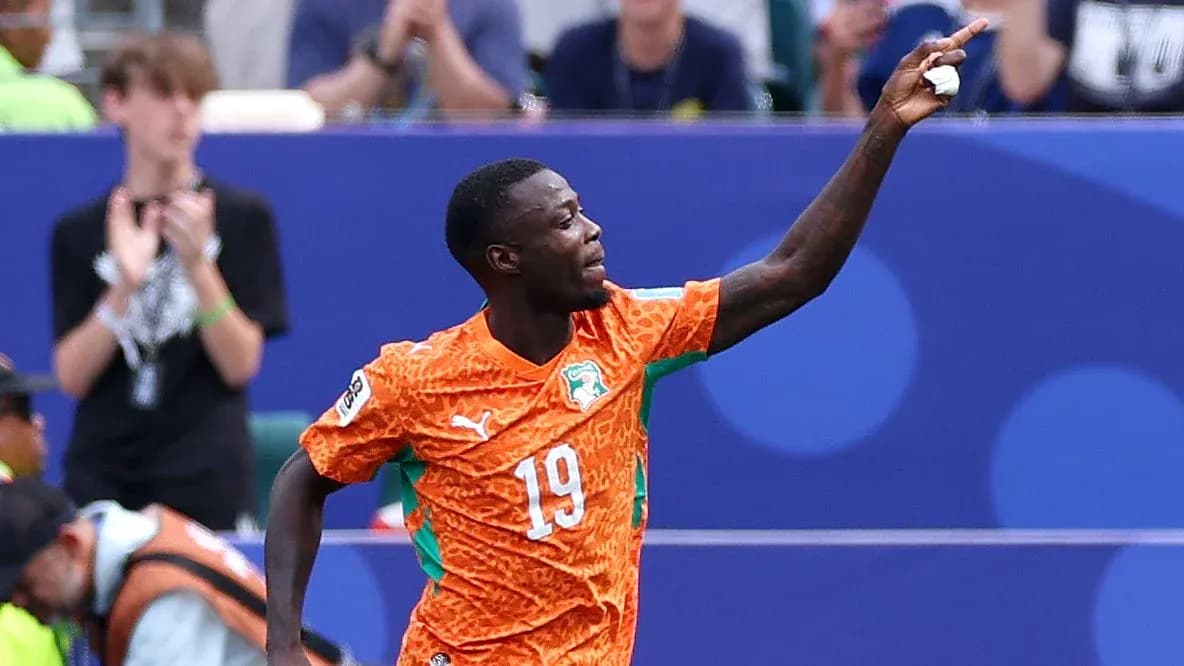
Nicolas Pépé's Stunning Redemption at World Cup
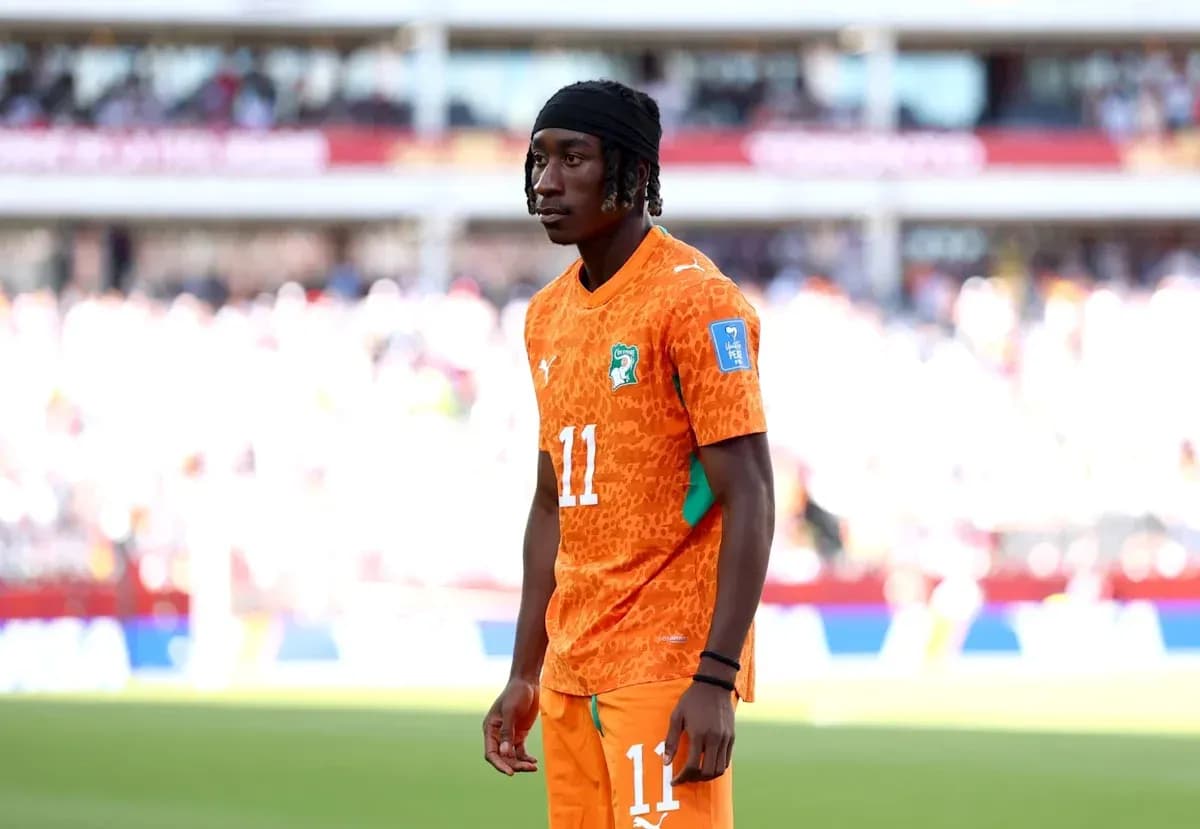
Nicolas Pépé stood on the touchline in Philadelphia, shoulders loose, eyes fixed. Seven months ago he had been nowhere, cut from Ivory Coast’s Africa Cup of Nations squad and drifting toward the margins of elite football. Now he walked back into the World Cup spotlight as if he had never left it.
Within seven minutes, he owned the night.
Ivory Coast’s press forced a panicked mix-up at the back, the ball broke kindly, and Yan Diomande had the presence of mind to square it. Pépé did the rest, sliding his finish home with the cold assurance of a man who has rediscovered his purpose. One touch, one swing, one statement.
The Elephants had their lead. Their talisman was back.
Pépé’s redemption, written in orange
The first goal settled nerves. The second silenced doubts.
On 65 minutes, with Curaçao tiring and the space between their lines widening, Pépé drifted in from the right, the angle opening just enough. This was the old, ruthless version, the one Arsenal thought they had signed, the one Villarreal have helped revive. He wrapped his left foot around the ball and sent it screaming into the top corner. Vintage, violent, unstoppable.
Two chances, two goals. A performance that explained exactly why Emerse Fae had picked up the phone and brought him back into the fold. The winger who had looked lost at the end of his Arsenal days now carries the look of a man unburdened, sharpened by his time in Spain and emboldened by a manager who trusts him again.
This was more than a brace. It was a reclamation of status.
A barrier finally broken
Ivory Coast have paraded greats before. Didier Drogba, Yaya Touré, a cast of stars that lit up club football but never quite cracked the World Cup code. Three tournaments, three group-stage exits in 2006, 2010 and 2014. A so‑called Golden Generation that never made it to the knockouts.
That weight hung over this squad. Different names, same colours, same questions.
In Philadelphia, they finally tore that narrative down.
A controlled 2–0 win over Curaçao, six points in Group E, and second place secured. For the first time in their history, Ivory Coast are into the World Cup knockout rounds. No asterisk, no drama on the final whistle, no reliance on others. Just a clean sheet, a clear path, and a historic barrier smashed to pieces.
Fae understood the scale of it as soon as the final whistle went. His message to the supporters was simple: enjoy it, celebrate it, and then keep pushing them forward. He spoke of pride, of the value of not conceding, of a group that needs to “bask in this victory” because recovery always comes easier when you’re winning.
He knows what this means. So do his players.
A squad growing up on the big stage
The headlines will belong to Pépé, but Fae has been careful to frame this run as a collective rise rather than a one-man revival. This is a young World Cup side, every player at their first tournament, yet the camp feels anything but fractured.
The manager talks about a group that is “growing”, about teammates who compete for the same spots yet joke together, train together, stay together. Healthy competition, not quiet resentment. It shows on the pitch: the pressing is coordinated, the distances tight, the defensive line disciplined.
Against Curaçao, that maturity surfaced in the key moments. Ivory Coast did not dazzle from first whistle to last. They didn’t need to. They were sharper where it mattered. They took their chances; Curaçao did not. Yassin Fofana dealt with what came his way, and the Elephants’ back line held firm, allowing only two shots on target.
It was the kind of professional, unspectacular control that knockout teams are built on.
Curaçao bow out, but not quietly
Curaçao leave this World Cup with no miracle escape from the group, but with something arguably more valuable: respect.
The smallest nation by population ever to qualify for the tournament did not arrive to make up the numbers. They took a point off Ecuador and pushed Ivory Coast far harder than the scoreline suggests. Juninho Bacuna squandered a golden chance to level just before half-time, slicing wide when the stadium seemed to hold its breath.
The Blue Wave never folded. They chased, pressed, and kept asking questions until the final minutes, only to find Fofana and an organised Ivorian defence blocking their way.
Manager Dick Advocaat cut a proud figure afterwards. He reminded everyone of the scale of the task: facing wingers “worth 50m each”, battling nations with deeper pools and bigger budgets. The first target had been the Gold Cup. Then, and only then, the World Cup. Both boxes ticked.
His optimism for another World Cup run felt earned, not naive. “When you see how we played the second and third game,” he said, “that’s very promising.” On this evidence, he’s right.
Dark horses with real teeth
Now the stakes rise. The round of 32 awaits, and with it a heavyweight collision: either Kylian Mbappé’s France or Erling Haaland’s Norway.
On paper, Ivory Coast will not be favourites in either scenario. On the pitch, they are beginning to look like a problem nobody wants.
They have a rejuvenated match-winner in Pépé. They have a defence that has just delivered the kind of clean sheet that settles belief. They have a coach who has convinced a young group that history is not a burden but a challenge.
For years, the Elephants carried the label of underachievers. This time, they arrive in the knockouts as something else entirely.
Not a story of what might have been. A threat, alive and advancing.