
Newcastle's Summer Overhaul: Bruno Guimaraes and Recruitment Strategy
Newcastle United are not tinkering this summer. They are tearing up and rewriting the script.
This is not a window of marginal gains. Inside St James’ Park, they are talking about eight, nine, maybe even 10 positions being affected. Established names have already gone. More will follow. What emerges on the other side will look and feel like a different Newcastle.
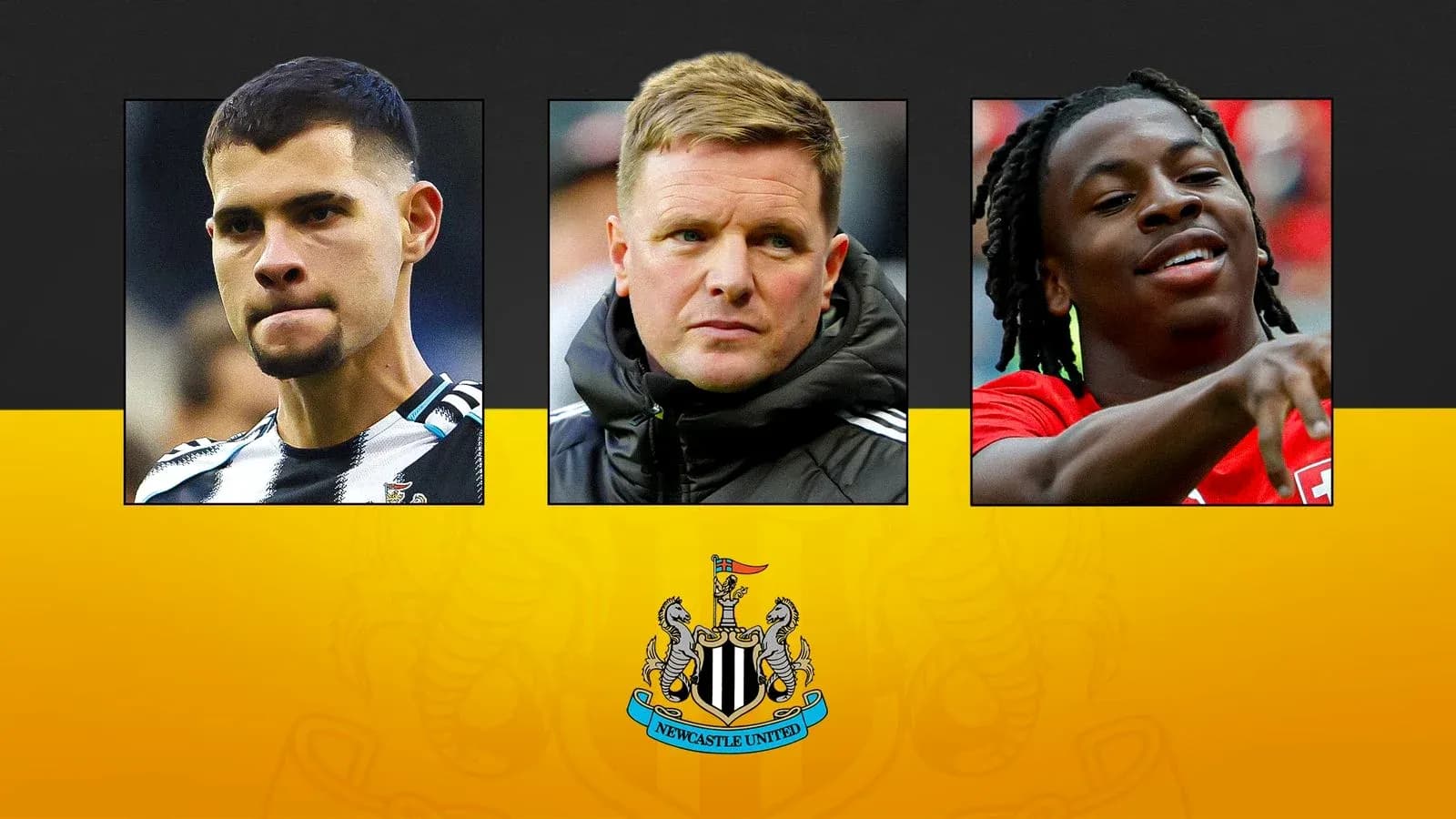
And at the heart of it all sits one burning issue: Bruno Guimaraes.
Bruno, Arsenal and the £80m tipping point
Bruno has not downed tools. He has not handed in a transfer request. But he has been clear.
He has told Newcastle that if Arsenal come in with what he and the club regard as a “good” offer, he wants to go and take that opportunity. This is about medals, not money. He is already Newcastle’s highest earner and would only earn slightly more in north London.
At 28, turning 29 later this year, he is looking at the next two or three seasons and does not see title challenges on Tyneside – on or off the pitch. Arsenal, in his mind, offer that platform.
Crucially, he also wants Newcastle to be properly paid if he leaves. Inside the club, the figure that changes the conversation sits at around £80m. At that level, they would have to listen.
But there is a twist. Arsenal have not made contact. Not a call, not an email, nothing. Newcastle are stunned that so much noise is swirling around their captain when every hint has come through agents rather than the Emirates hierarchy.
Until an actual bid lands, Newcastle’s stance is simple: they are desperate to keep him and consider him not for sale. The clock is ticking on his prime years. The clock is also ticking on Newcastle’s resolve.
Manzambi: agreement reached, nerves jangling
While Bruno’s future hangs in the air, Newcastle believe they have one of their major incoming deals lined up.
They have verbally agreed a £49m fee with Freiburg for Johan Manzambi, one of their top targets, and the player has shaken hands on personal terms. A club delegation flew to Germany this week to push it through.
On paper, it is done. On paper.
In reality, Manzambi is still at the World Cup with Switzerland, nursing a slight knee issue but playing a key role in a side that has reached the quarter-finals. He has been outstanding: five goal involvements, the best World Cup return for a player of his age since records began.
And he has made one thing clear – he will not sign anything until after Switzerland’s tournament is over.
That delay brings jeopardy. The memory of Victor Munoz, whose move was hijacked by Liverpool at the last moment only weeks ago, is fresh and raw. Newcastle are wary of another late ambush. They have done the groundwork, they are confident, but they are not relaxed.
Until ink hits paper, Manzambi is a deal and a risk in equal measure.
Four more after Manzambi – and a new No 1
Once Manzambi is over the line, Newcastle expect three or four more signings.
A midfielder is on the list, especially if Bruno departs. A new first-choice goalkeeper is also a priority. James Trafford remains a long-standing target, and moves for the Manchester City keeper are anticipated in this window.
They want a full-back who can operate on both sides, ideally a natural left-back. The wide areas could also change if Jacob Murphy moves on, with another winger under consideration.
Up front, the plan is flexible. If one of Nick Woltemade or Yoane Wissa leaves, a striker will be added. If both stay, they are ready to go with a trio of Wissa, Woltemade and Will Osula next season.
This is not a gentle refresh. It is a controlled overhaul.
A new model: Dortmund, not the galácticos
Newcastle’s recruitment rules are now clearly defined.
The sweet spot is players aged 18 to 24, costing between £20m and £40m. They have already dipped just below that with Ewen Jaouen at £18m. Manzambi at £49m nudges above the range, but he is an exception, not a new normal.
What they will not do is chase £80m, £90m or £100m super-signings. That era is not coming to Tyneside any time soon.
The blueprint leans towards Borussia Dortmund: buy younger, cheaper players with high ceilings, develop them under Eddie Howe, and sell at a profit if the timing and fee are right – all while trying to remain competitive for trophies.
It is a shift away from the “ready-made star” approach that dominated last summer’s disastrous £250m outlay. Too many of those deals misfired. Newcastle cannot afford a repeat, financially or sporting-wise.
Who could be pushed towards the exit?
To reshape a squad, players have to leave.
Nick Pope is expected to move on. Ipswich had shown interest but that has cooled, leaving his next destination unclear, but Newcastle are open to his departure.
Murphy, a decade at the club behind him, could also be allowed to go. Joe Willock is another who may be moved on if a suitable offer arrives.
There are no concrete bids for that trio yet, but Newcastle would be content to cash in and free up wages and space for the new project. If Pope, Murphy and Willock all leave, they will need direct replacements – which feeds back into that “three or four more signings” plan.
The churn is deliberate. This is not trimming at the edges. It is a reset.
Sean Steur and the next wave
Amid the big numbers and big decisions, one signing underlines the new thinking: Sean Steur.
At 18, he is not walking straight into the starting XI. Newcastle see him as one for the future. He will train with the first team, sit on the bench, pick up minutes where he can, and be moulded physically and tactically for the Premier League.
The lack of European football actually helps him. No midweek travel, no constant recovery cycles. Just full weeks on the training pitch with Howe and his staff, drilling details, building strength, learning the pace of the league.
If the plan works, this time next year Steur could be pushing for a regular place. He, Bazoumana Toure and Manzambi fit the same pattern: raw, talented, and expected to grow under Howe rather than arrive fully formed.
Newcastle believe they already have enough “finished article” Premier League players. The next phase is about upside.
Howe’s buy-in after a bruising year
Eddie Howe is not fighting this change. He is driving it.
Alongside sporting director Ross Wilson and chief executive David Hopkinson, he has accepted that last summer cannot be repeated. £250m spent, key signings misfiring, the Alexander Isak saga hanging over the season – it left a cloud that never really shifted.
This time, Howe wants business done early, not in a late scramble. He wants players he can shape, not just plug in.
Developing young footballers on the training ground is what he does best. The idea of sculpting Steur, Toure, Manzambi and others into a new core excites him. The absence of European football, while painful in prestige and revenue, gives him something precious: time.
Time to coach. Time to build cohesion. Time to bed in a very different-looking team without the relentless strain of Thursday-Sunday cycles.
A top-four finish feels unlikely from inside the club. But European qualification? With a fresh, well-drilled side and a clear week to prepare for almost every league game, they see that as a realistic target.
PIF, PSR and the ceiling Newcastle are fighting
Above it all sits the question of ambition and money.
Saudi Arabia’s Public Investment Fund remains committed. There is no suggestion of them walking away. Yet supporters cannot ignore the optics: Sandro Tonali gone, Anthony Gordon gone, Alexander Isak gone, and possibly Bruno next – all leaving for clubs with bigger commercial power and deeper financial muscle.
This is where Newcastle are stuck. Financial rules are biting hard. They are finding it brutally difficult to smash their way into the established top six.
To change that, they need smarter recruitment and bigger revenues. Right now, their commercial income is about half that of the so-called big six. Until that gap narrows, they will struggle to match those clubs on fees, wages and squad depth.
A new stadium would shift the dial. So would more high-value sponsorships. Progress is being made year on year, but not yet at the pace required to go toe-to-toe with the elite.
The owners are still pushing the limits on transfer spending – they have already breached PSR once and been fined. They do not want a repeat, but they will go as close to the line as they can.
So Newcastle enter this season in a strange place: backed by one of the richest funds in world sport, yet operating like a club that must sell smart, buy smarter, and trust a coach to turn potential into power.
The question is not whether this model can keep them competitive.
It is whether it can carry them all the way into the company Bruno Guimaraes is so desperate to join.




