Newcastle Accepts Reality as Guimaraes Moves to Arsenal
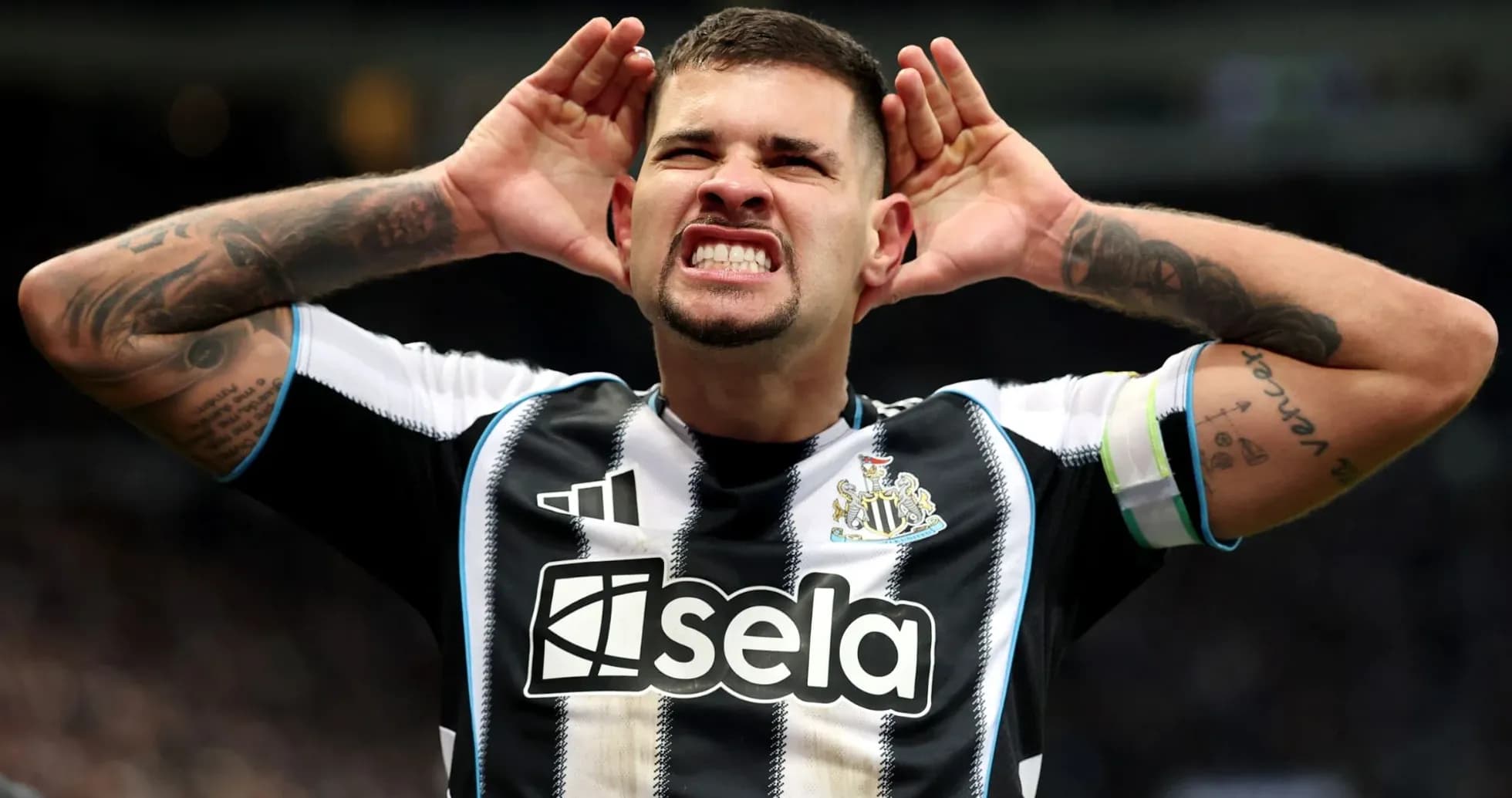
Newcastle United did not walk into this summer planning to rip out the heart of their midfield. The plan was to build around Bruno Guimaraes, not cash in on him. Then the captain made his position unmistakably clear.
Sporting director Ross Wilson laid it out bluntly. Guimaraes, emotional but respectful, told the club he wanted to go.
“What we had to weigh up was, very respectfully from Bruno with his behaviour towards us, very emotionally as well, he effectively told us he wanted to leave and move on,” Wilson said, speaking to the BBC.
Once that message landed, the conversation at Newcastle changed. Not overnight, not with any enthusiasm, but with a cold acceptance of how modern football works. A want-away captain with a serious market behind him is not a problem you can park for long.
“That doesn't mean he can go,” Wilson stressed, “but it certainly plays a part in what our thinking is when we hit a certain range of number. There's no part in saying it was part of our strategy and was in our thinking this summer – it wasn't. But we have got to be flexible and react to things that happen.”
The pressure finally told when Arsenal pushed their offer into that “range of number” Newcastle had mapped out internally. At that point, sentiment gave way to structure. The club moved from resistance to negotiation.
Another pillar gone
Guimaraes is not just another sale. He is the fourth cornerstone to leave Newcastle in under a year, a sequence that would test any project’s resolve.
- Sandro Tonali has gone to Tottenham.
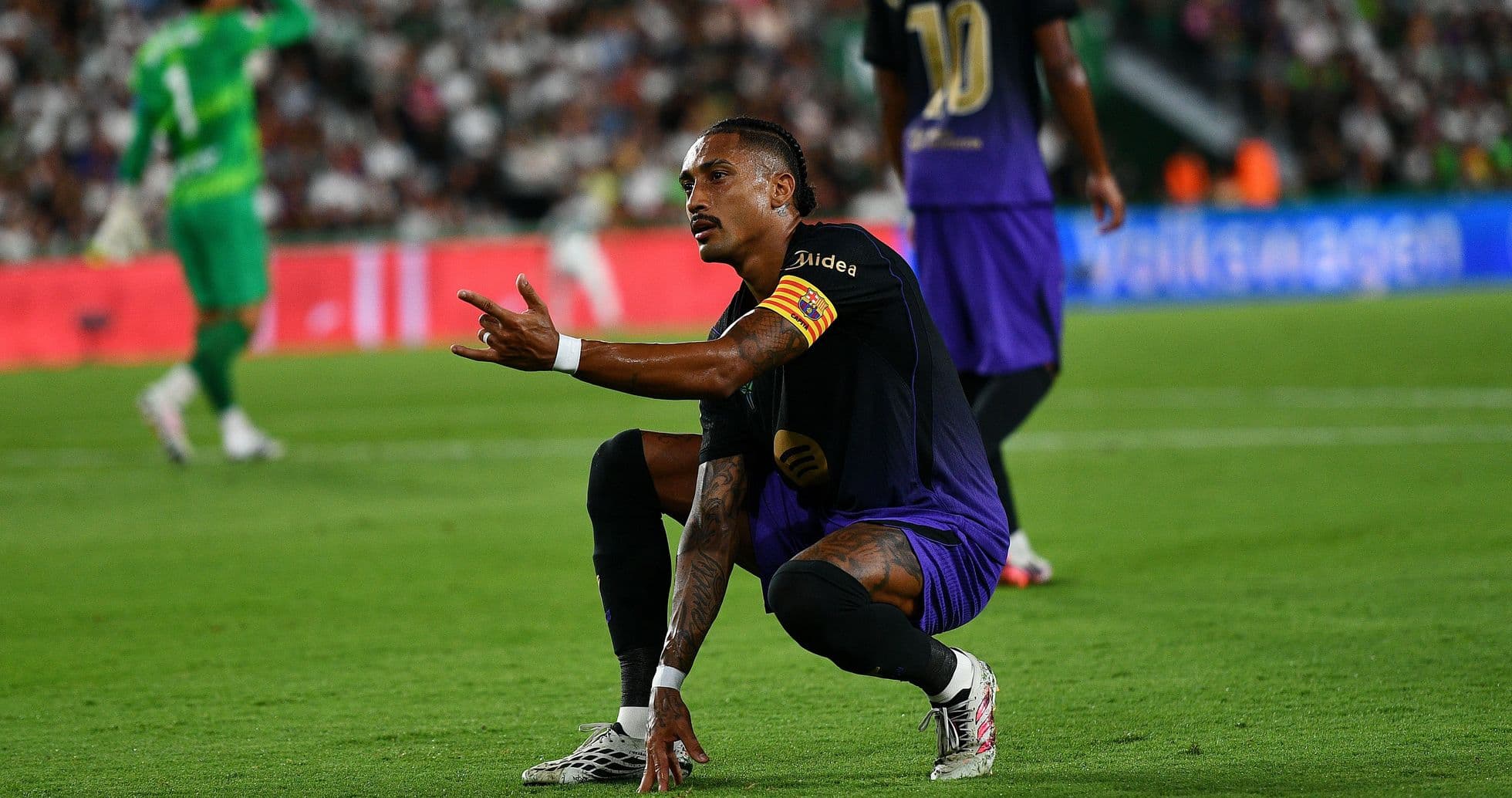
- Anthony Gordon has swapped black and white for Barcelona colours.
- Alexander Isak left for Liverpool last summer.
- Now the captain, the emotional fulcrum of the side, heads to Arsenal.
Each departure has its own context, its own justification. Together, they paint a more uncomfortable picture: a squad that once looked ready to be kept together and refined is being repeatedly reshaped under financial and strategic pressure.
Newcastle insist, though, that this deal at least landed on their terms.
Chief executive David Hopkinson revealed that Arsenal did not open with a blockbuster bid. They started low, testing the water, as big clubs tend to do.
Hopkinson was clear that Newcastle held their line.
He confirmed that Arsenal “initially floated lower sums” for the midfielder, who turns 29 in November, before the talks moved into a territory Newcastle could accept. Only then did the tone of the conversation shift.
“You're dealing with very sophisticated actors on each side,” Hopkinson said. “That's what negotiation looks like. It's a fee that satisfies us.”
The club hierarchy believe they have not only protected themselves but set a benchmark.
“If you want to put a merchandising spin on it, it's the highest fee for a player in that position at that age, and all those things come into play,” Hopkinson added. “Is it a good deal for Newcastle United? I believe it is, but Arsenal are getting a very special player and person. It's worked from a financial perspective for both sides.”
A calculated sacrifice
Strip away the boardroom language and the picture is stark. Newcastle have lost their captain, a fan favourite and tactical reference point, at a stage of his career when he should be at his peak.
They have done so not because they wanted to, not because it sat neatly in a long-term blueprint, but because a player of that stature decided his future lay elsewhere and the numbers eventually matched the club’s internal valuations.
Newcastle now stand at a familiar crossroads: armed with a record fee, but without the player they once hoped to build everything around.