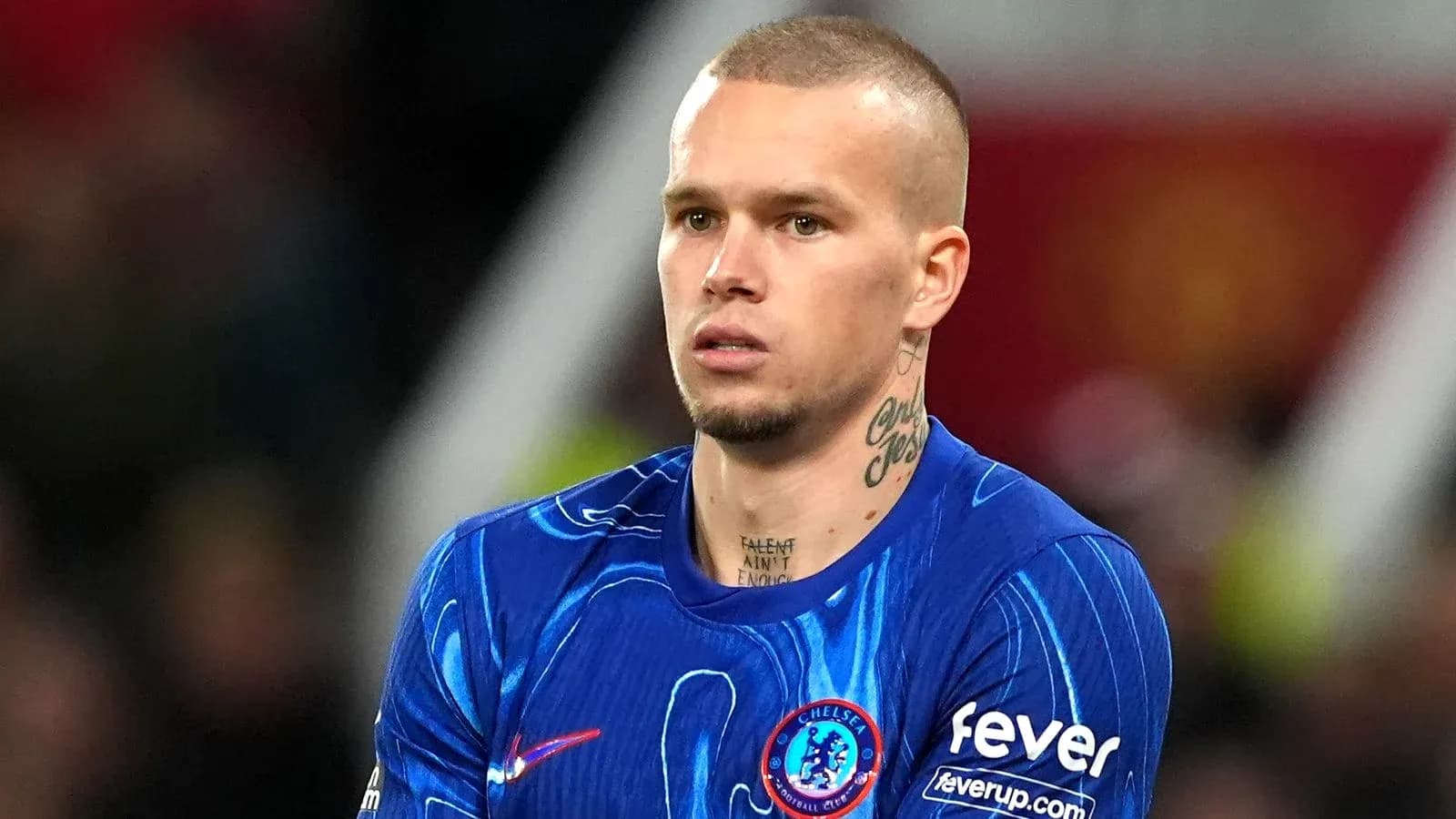
Mykhailo Mudryk Cleared to Return to Football
Mykhailo Mudryk is free to play football again. After months in limbo, a four-year doping ban that threatened to derail his career has effectively been swallowed by time and science.
The Chelsea winger, 25, has been cleared to return to competition with immediate effect after his case was resolved between the FA, Mudryk and the World Anti-Doping Agency (WADA), following his appeal to the Court of Arbitration for Sport (CAS).
Mudryk has not played a competitive match since November 2024, when he was hit with a four-year suspension for failing a drug test that detected a low concentration of meldonium, a prohibited substance. The sample in question dated back two years, and at the time it triggered an automatic anti-doping rule violation.
Football moved on. Mudryk couldn’t.
What changed was not the test result, but the framework around it. Adjustments to WADA’s scientific reporting standards mean that if the same sample were taken and analysed today, it would not have been flagged.
The FA set out the shift starkly: the new procedures, “while not retroactive, mean that if Mr Mudryk's sample was collected today, the concentration of meldonium in the sample would not have been reported and no anti-doping rule violations would have resulted”.
That was the hinge on which the entire case turned. With those revised standards in place, and after Mudryk took his appeal to CAS, the parties reached an agreement, endorsed by WADA, to close the case.
“As a part of the agreement,” the FA confirmed, “Mr Mudryk accepted that he had committed the ADRVs (Anti-Doping Rule Violations) charged and acceded to a period of ineligibility equal to the time served at the date of the agreement. Mr Mudryk is no longer ineligible and may return to competition with immediate effect.”
So the ban stands in principle, but the punishment has been deemed served. Mudryk’s record carries the violations; his future is no longer chained to them.
For Chelsea, it ends a saga around one of the most expensive signings in their history. The Blues paid £88m to prise Mudryk from Shakhtar Donetsk in January 2023, a marquee deal in the early days of their new ownership era. Instead of becoming a long-term attacking pillar, he spent the prime of his mid-20s fighting a case built on a threshold that has since moved.
The club’s response made clear where they believe the emphasis should lie now. In a statement, Chelsea said they “welcome the acknowledgement that advances in the applicable scientific reporting standards for more reliable testing mean that, had Misha's sample been analysed under today's technical requirements, it would not have been reported as a positive test and no anti-doping rule violation would have resulted”.
“That is an important part of the context surrounding the agreed resolution,” the statement continued, “and allows everyone involved to move forward.”
For Mudryk, “moving forward” means something very simple and very hard: stepping back onto the pitch and proving he still belongs at the level Chelsea paid for. The numbers around his transfer fee and his ban will follow him. So will the knowledge that, under today’s rules, the test that stopped his career in its tracks would never have been a case at all.
Now the science has caught up. The suspension is over. The next verdict will be delivered where he always wanted it to be — on the grass, under the lights, with the ball at his feet.