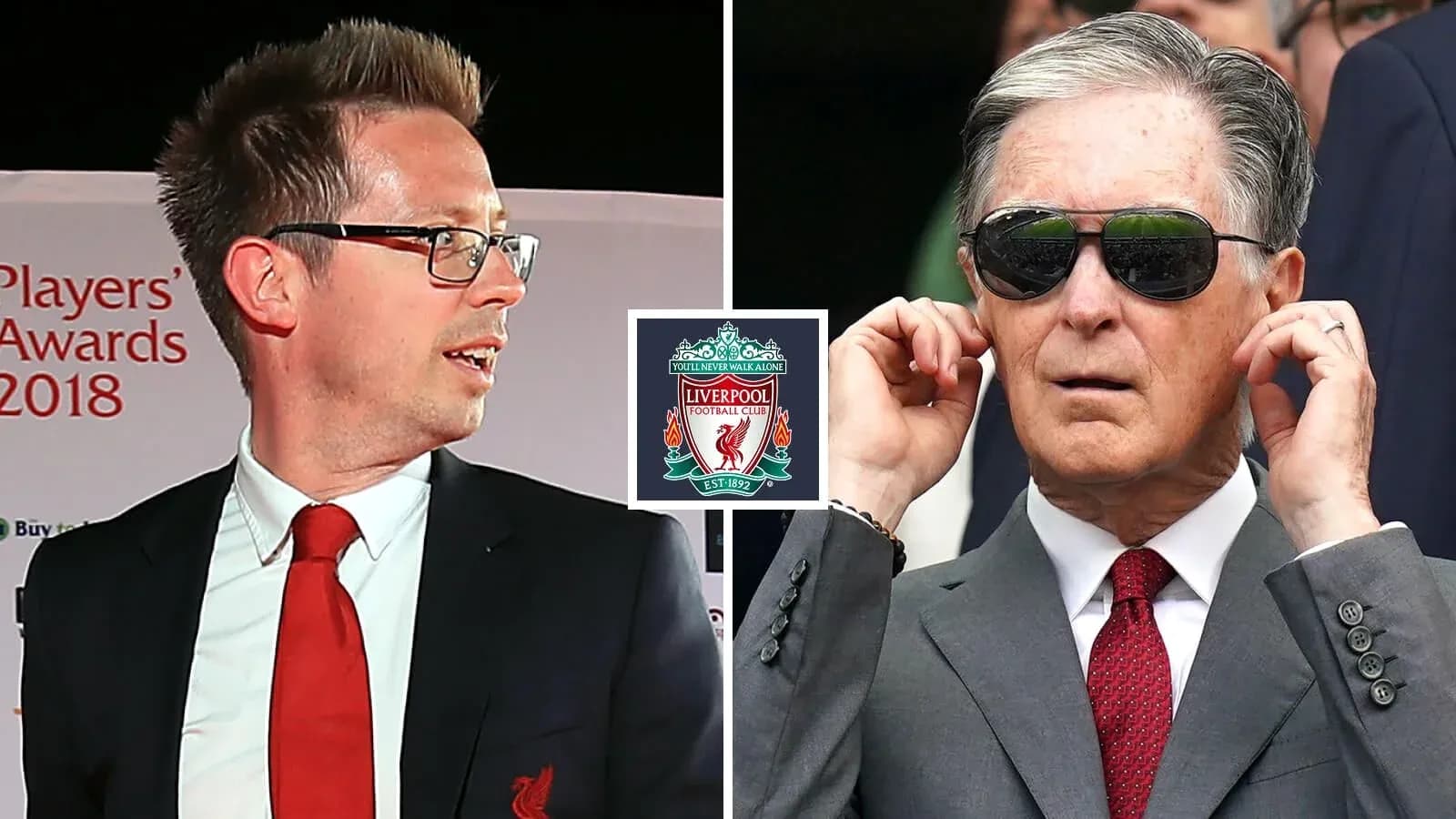
Michael Edwards Leaves Liverpool as FSG's Multi-Club Vision Ends
Michael Edwards’ second Liverpool chapter is over – and so is FSG’s grand multi-club vision, for now.
The architect of so much of Liverpool’s modern success is walking away from Fenway Sports Group before next season, with FSG president Mike Gordon stepping back in to run football operations rather than an external successor being hired.
It is a significant change at the top of a club that has just climbed back to the summit of English football.
A key figure steps away
Edwards, once a behind-the-scenes analyst at Tottenham and later the sharp-eyed sporting director who helped build Jurgen Klopp’s great Liverpool side, returned to the organisation in 2024 in a very different role: FSG’s CEO of football.
This was not a sentimental comeback. It was a project.
When he agreed to return, Edwards made it clear that his main motivation was to lead a multi-club model under the FSG umbrella. Liverpool would be the flagship, supported by at least one other club in a growing football portfolio. That was the pitch.
The reality never arrived.
Despite lengthy searches and exploratory talks, FSG did not complete the purchase of a second club. Bordeaux were examined. Getafe were explored. Nothing materialised. By March, The Athletic’s Liverpool correspondent James Pearce reported that FSG had effectively parked the idea, shelving plans to buy another team. The project that lured Edwards back was stuck in neutral.
The frustration was obvious. Inside the club, it became clear this was not the job he had signed up for.
Exit decided months ago
Pearce has now revealed that Edwards actually informed the FSG hierarchy of his decision to leave last autumn, once it was apparent the ownership group would not be expanding their football portfolio. The call was made months ago; the public confirmation has only just caught up.
Journalist Ben Jacobs backed up that timeline, explaining that Edwards chose to stay on to support sporting director Richard Hughes, even after deciding his own future lay elsewhere. He had never wanted to return to a pure recruitment role and, without the multi-club structure to build, the position evolved into something very different to what he had been promised.
At that point, his departure felt less like a shock and more like an inevitability.
Titles, transitions and tributes
Edwards leaves with the club on a high. During his latest spell, Liverpool navigated a significant period of transition and still emerged with a historic 20th English league title, a landmark FSG were quick to link to his influence.
“It has been a privilege to return to Fenway Sports Group and Liverpool Football Club at such an important moment,” Edwards said as his exit was confirmed. “I leave believing Liverpool is in a strong position, with outstanding people, a clear direction and the foundations in place for continued success.”
Gordon, who has long been one of the key powerbrokers at FSG, paid a fulsome tribute.
“Michael has made an extraordinary contribution to Liverpool Football Club and Fenway Sports Group throughout his time with our organization,” he said, highlighting how Edwards’ 2024 return came “at a pivotal moment” and crediting him for helping the club through change before that 20th title was secured.
The message from the ownership was clear: gratitude, respect, and a firm belief that the club remains stable despite another high-profile departure after the sacking of Arne Slot following a poor 2025/26 campaign.
Gordon back at the controls
What happens next upstairs is already mapped out. There will be no big external appointment, no new “transfer guru” rolled out in front of the cameras.
Instead, Gordon will resume control of FSG’s football operations, effectively absorbing the responsibilities that had been handed to Edwards as CEO of football. Pearce reports that the ownership group is not planning to recruit a like-for-like replacement.
It is a return to a familiar power structure, with Gordon again at the centre of decision-making and Hughes continuing as sporting director. Both men are under contract until 2027, as Edwards was.
The multi-club dream, for now, is off the table.
A sought-after free agent
If the role no longer suited Edwards, the market certainly will.
Jacobs notes that the 44-year-old is expected to be in demand and is unlikely to take another long break from the game. His track record – from transformative signings during Klopp’s peak years to steering Liverpool through their recent transition – ensures that.
He leaves behind a club that, in his own words, has “foundations in place for continued success.” The bigger question now sits with FSG.
They have chosen stability over expansion, continuity over the complexity of a multi-club empire. That decision cost them the executive they once moved mountains to bring back.
Whether that trade-off looks wise in three years’ time will say as much about Liverpool’s future as any signing Hughes and Gordon make between now and then.