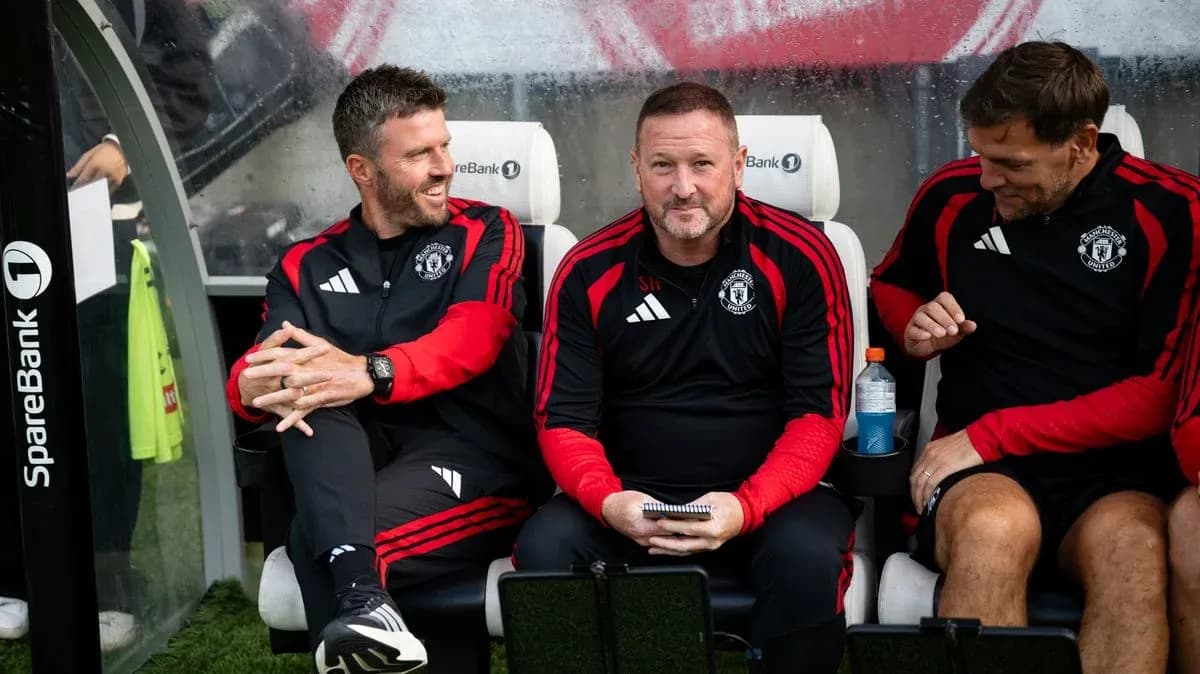
Michael Carrick's Vision for Control at Manchester United
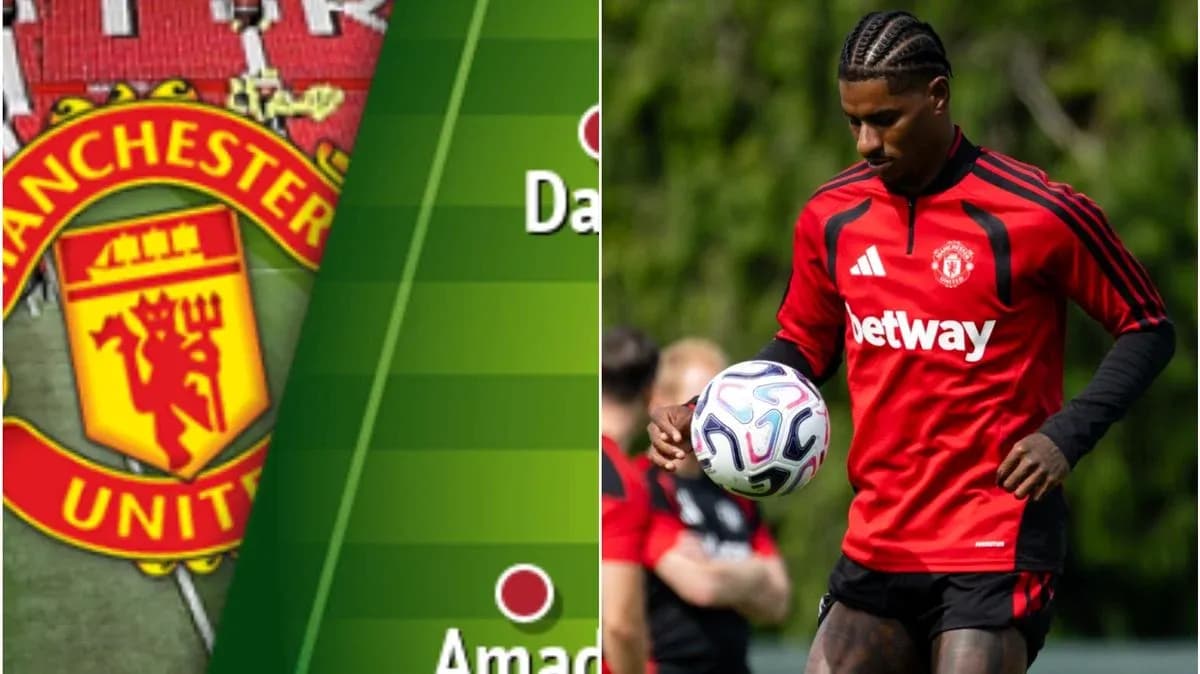
Michael Carrick is swimming against the tide. In a league obsessed with duels, set-pieces and raw power, the Manchester United manager is quietly building a side that wants something increasingly rare in the Premier League: control.
A League of Fights, Not Passes
Last season’s trends were obvious to anyone watching. Matches broke down into 11 individual battles all over the pitch. Win your duel, win your territory, win your set-pieces. That was the logic.
Games became scrappy, fractured. Teams pressed man-to-man, hunting opponents rather than the ball. Rhythm vanished. Control, the old currency of elite sides, became a luxury very few could afford.
Even Pep Guardiola’s Manchester City, once the benchmark for midfield dominance, found it harder to dictate from the centre of the pitch. The intensity went up, the spaces shrank, and those midfielders who wanted to get on the ball, take a touch, and knit the game together suddenly found themselves swarmed.
The numbers tell the same story. Two seasons ago, four teams averaged more than 60% possession, and six teams topped 58%. Last season, only City crept above 60% – and only just, at 60.5%. Chelsea were the only other side to even clear 58%.
The message was clear: fewer teams cared about the ball. They cared about the fight.
Carrick’s Counter-Cultural Bet
Into that landscape walks Carrick with a very different idea of what Manchester United should be.
United have just lost Casemiro, a midfielder who brought muscle, experience and bite. He left on a free transfer this summer, taking with him a profile that fits the current Premier League mood: physical, combative, battle-hardened.
Carrick’s response? Not to replace like with like, but to double down on technique.
United’s midfield rebuild has focused on passing, not power. Andrey Santos has arrived. Youri Tielemans too. Both know the league. Both can cope with the tempo. But their main appeal lies in what they can do with the ball at their feet, not in the air or in a 50-50.
They are high-level technical midfielders, comfortable receiving under pressure, capable of switching play, threading passes, dictating tempo. Carrick has also repurposed Mason Mount, pulling him deeper into midfield to act as another outlet and organiser.
This is not a scattergun recruitment drive. It’s a clear plan. Carrick wants United to become a side that can slow a game down or speed it up at will, that can take the sting out of chaos and impose its own rhythm.
A Midfield in His Own Image
It is hard not to see the reflection of Carrick the player in Carrick the coach.
During his own playing days at Old Trafford, he was the metronome. A deep-lying midfielder who read the game, passed through lines, and controlled matches with the ball rather than by crashing into tackles. He anchored United sides that expected to dominate possession and territory.
That is the version of United he is trying to resurrect.
His work at Middlesbrough offered an early glimpse. In the Championship, he built a team that wanted the ball, that tried to play through the thirds rather than bypass them. He brought in Aidan Morris to add yet more passing quality to the midfield.
The criticism at the Riverside was familiar: control without enough incision. Boro often moved the ball well, but didn’t always turn that dominance into ruthless damage in the final third.
Now, at Old Trafford, the stakes are higher and the margins thinner. The idea, though, is the same. Build from a technical base. Trust the ball. Use it to shape the game, not just react to it.
Swimming Against the Current
This is where it gets intriguing. Carrick’s vision runs straight into the teeth of the Premier League’s current reality.
Possession has never been harder to keep. Pressing is more aggressive, more co-ordinated, more relentless. Teams are happy to sacrifice the ball if it means they can turn matches into a series of collisions and restarts.
United, under Carrick, are choosing a different path. They look like a side being built not to chase chaos, but to calm it. Not to live off second balls and set-pieces, but to pass, probe and dictate.
It is a bold bet in a league that increasingly rewards the opposite. If it works, Carrick won’t just have reshaped United’s midfield – he might just drag the conversation about how to win in this league back towards the ball.