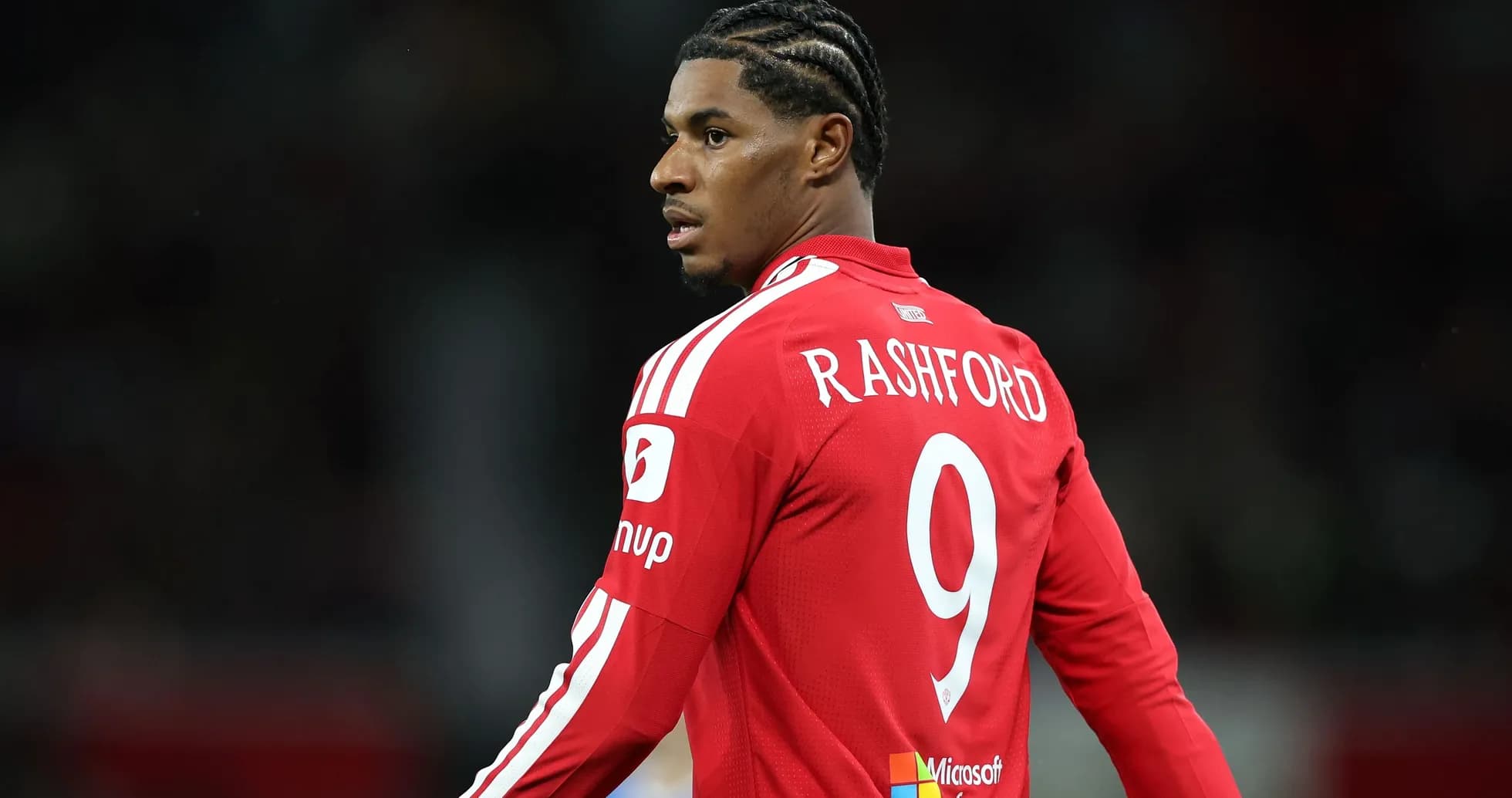
Marcus Rashford's Struggles at Manchester United
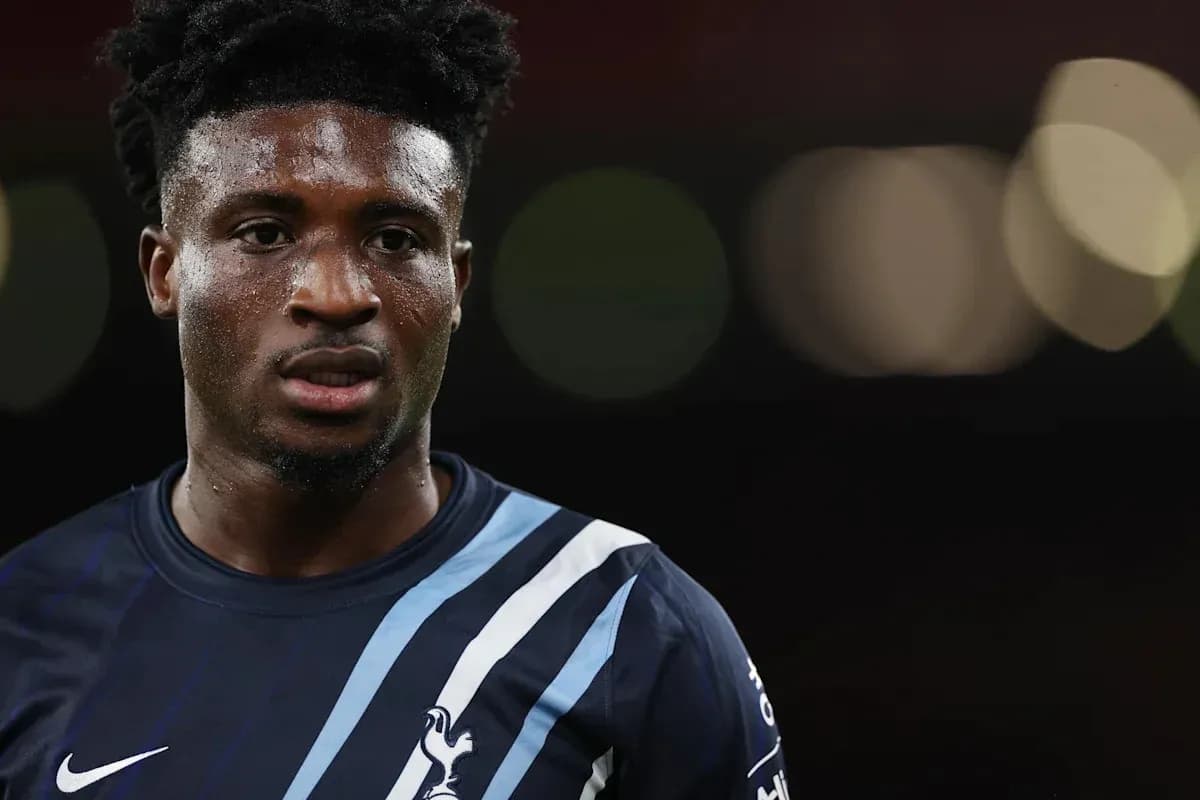
Marcus Rashford cut an isolated figure at Craven Cottage. Not just on the ball, but in everything about him.
The Manchester United forward has started four of the club’s five Premier League games since returning from loans at Aston Villa and Barcelona. More than 400 minutes played. No goals. No assists. For a player of his profile, that’s not a blip. That’s a problem.
Michael Owen, speaking on Premier League Productions after United’s 1-1 draw with Fulham on Sunday, did not bother to hide his concern.
“On the left, Marcus Rashford has been probably the quietest of those attackers,” Owen said. “He was quiet again today in his body language, just the glum face. He just doesn’t seem to be loving his football which has been a permanent frustration with Marcus.”
This wasn’t just a critique of output. It was a critique of presence. Of mood. Of a player who once played with a kind of fearless joy now looking weighed down by something no one on the outside can quite see.
Owen pushed on that point. Rashford, he stressed, still has the tools.
“It does look like the weight of the world is on his shoulders and you just think how? Why? He’s living everybody’s dream,” Owen said. “Surely there’s something behind the scenes that is making him look as if he’s not enjoying his football at the moment.”
The numbers underline it. No direct goal involvement so far in the league. Limited influence from the left. And at a club where the attacking slots are suddenly crowded, that matters.
Owen’s wider assessment stretched back to Rashford’s spell in Spain, a move he framed as a pivotal moment.
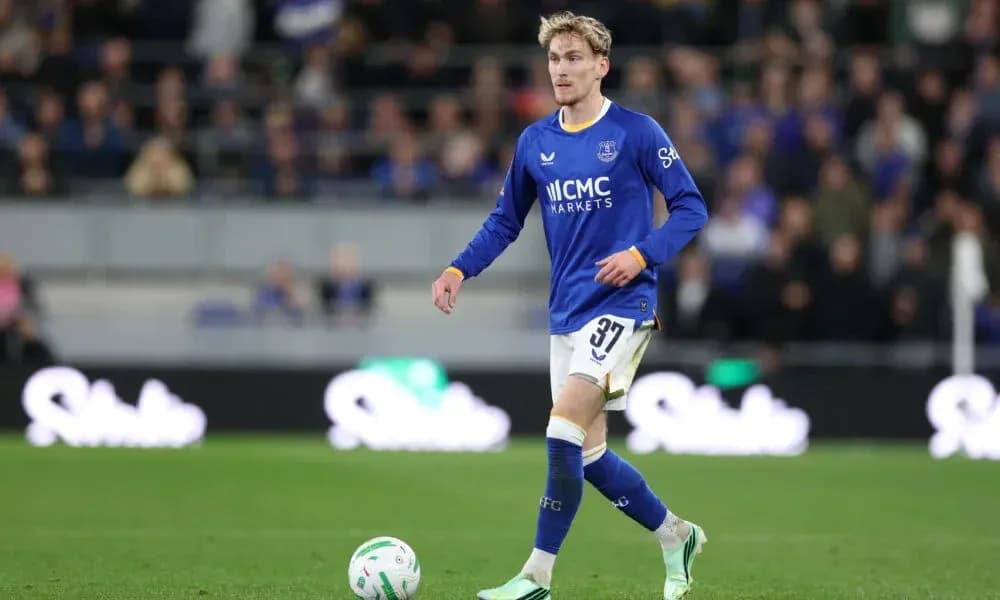
“Last chance saloon was Barcelona. I couldn’t believe his luck in getting a team like Barcelona,” he said. “He does reasonably well out there, but not well enough for them to keep him and then they end up spending fortunes to replace him by buying Anthony Gordon. So, it wasn’t all perfect. It wasn’t all rosy despite any spin that people put on it.”
The message was clear: Barcelona was an opportunity, not a coronation. Rashford did enough to show flashes, not enough to convince one of Europe’s biggest clubs to build around him.
Now he is back at Old Trafford, and the scrutiny has followed him home.
“And then he comes back to Manchester United. He’s done okay, but only okay,” Owen said. “And he needs to probably do a little bit better in that front three because his is the position in the attack that would be vulnerable.”
That vulnerability is no longer hypothetical. There is a genuine push from within the fanbase and, increasingly, within the squad dynamic for change. Owen namechecked the pressure points.
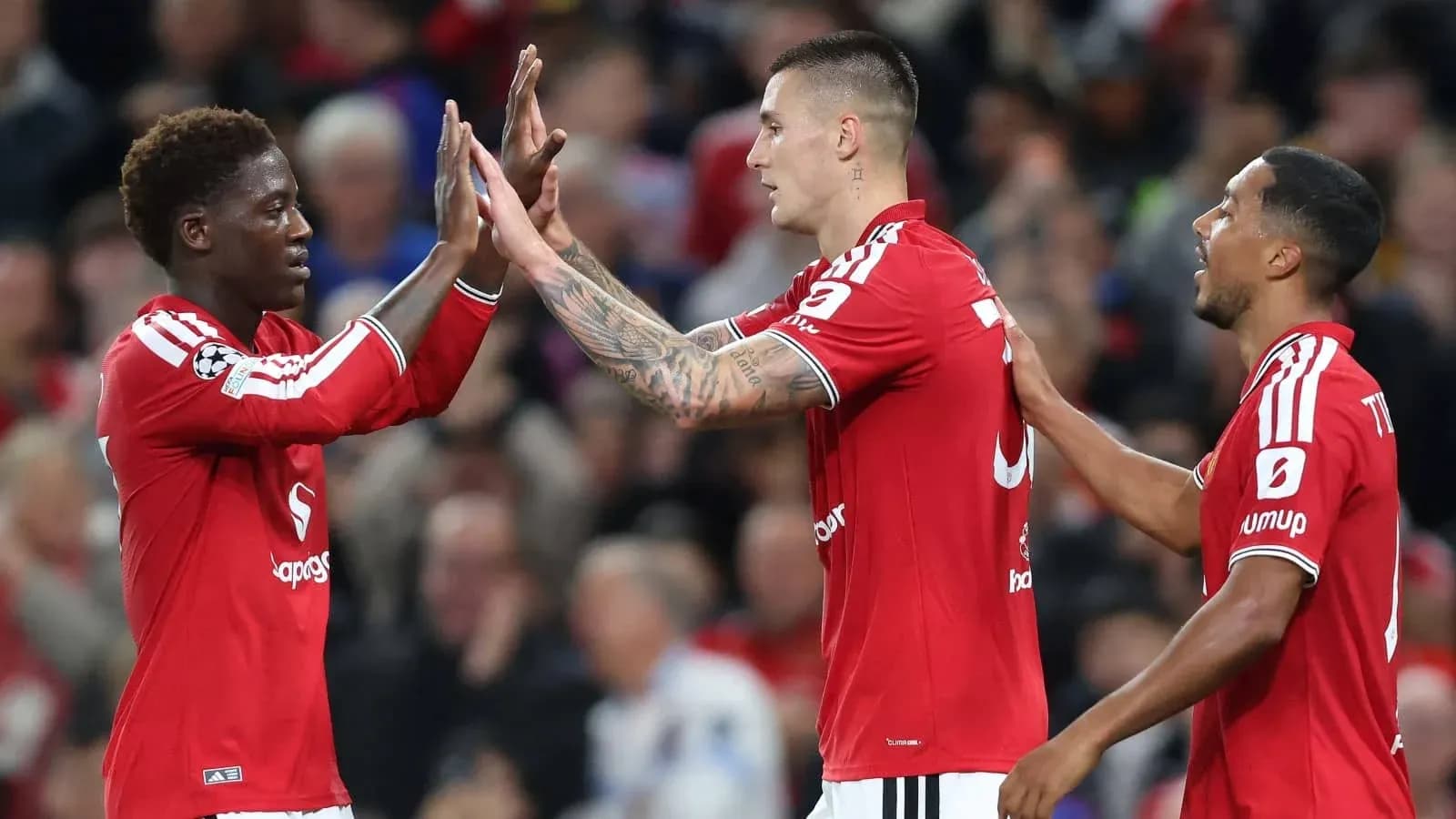
“There’s a bit of a demand for Benjamin Sesko to come back in and start, injury permitting of course. But if that happens, Cunha is going to go on the left and Rashford would be the weak link in that attack as things stand.”
Weak link. For years, Rashford has been spoken about as the difference-maker, the match-winner, the homegrown star. Now, in Owen’s eyes at least, he is the one most at risk when the manager shuffles his forward line.
Sunday brought another setback. Rashford hobbled off in the second half at Craven Cottage with a hip issue, cutting short another muted display and opening up another stretch on the sidelines. The injury has already ruled him out of England’s upcoming Nations League fixtures against Spain, Czechia, and Croatia over the next three weeks.
That might spare him the immediate glare of international scrutiny, but it also delays the one thing he needs most: rhythm. Minutes. A spark.
For Manchester United, the task is already forming. When Rashford returns to full fitness, they have to find a way to relight something inside him — not just his finishing, but his expression, his edge, his enjoyment.
Because if this version of Rashford lingers much longer, the question will not be about his best position. It will be about whether he still has one in United’s first-choice attack at all.